If you own a rabbit, you will become intimately familiar with their droppings. This is not glamorous, but it is one of the most useful health monitoring tools you have. A rabbit’s digestive system is a window into their overall health — and the poop tells the story.
I learned this the hard way. Years ago, I almost missed early signs of GI stasis because I did not know what to look for. Now I check my rabbits’ droppings every morning as routinely as checking my email. It takes 10 seconds and it has saved me more than once.
This guide covers what normal rabbit poop looks like, what abnormal poop means, and when to worry.
⚠️ Medical information: This article is for general educational purposes and is not a substitute for professional veterinary care. Always consult a rabbit-savvy veterinarian for health concerns. See our full disclaimer.
The Two Types of Rabbit Droppings
Rabbits produce two distinctly different kinds of droppings, and both are important:
1. Fecal Pellets (The Droppings You See)
These are the round, dry pellets that accumulate in the litter box and around your rabbit’s living space. They are what this guide focuses on.
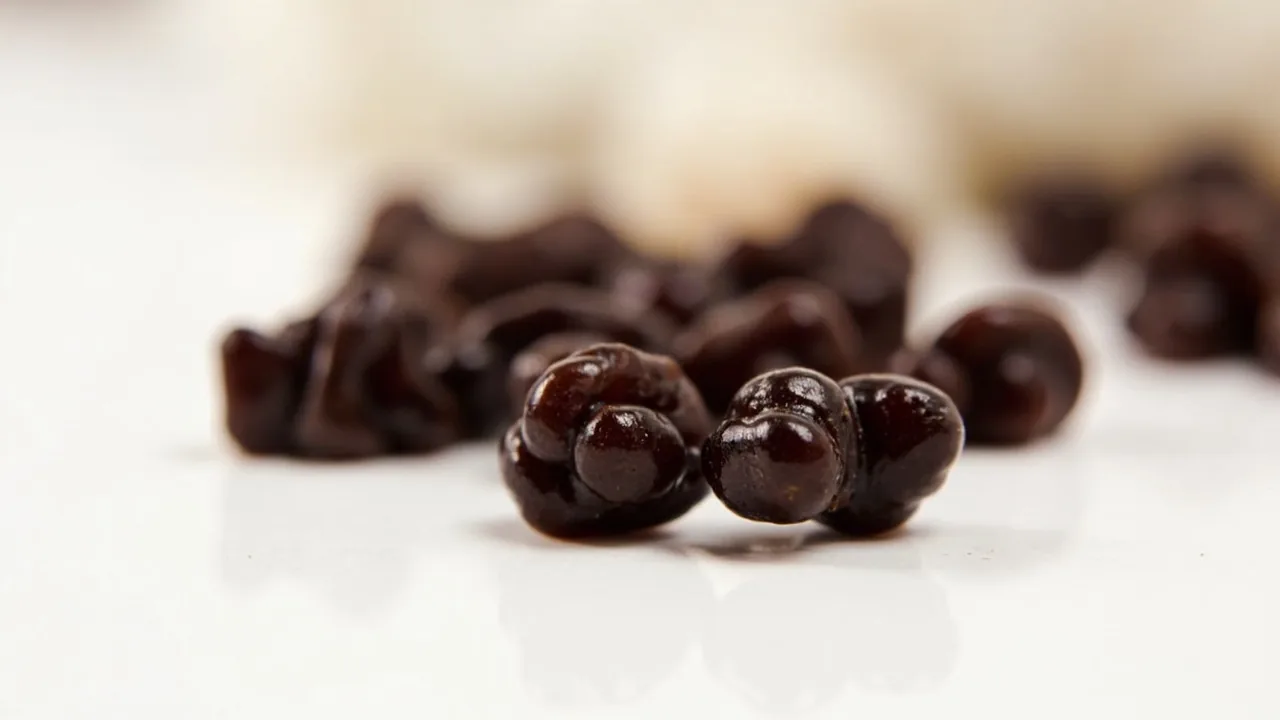
2. Cecotropes (The Hidden Treasure)
Cecotropes are soft, shiny, grapelike clusters that rabbits normally eat directly from their bottom. This is not gross — it is essential nutrition. If you see cecotropes lying around uneaten, something is wrong. Your rabbit may be overfed, eating too many pellets, or dealing with a mobility issue that makes reaching them difficult. If your rabbit is leaving cecotropes uneaten regularly, mention it to your vet.
This guide is about fecal pellets only.
Normal Rabbit Poop — What Healthy Looks Like
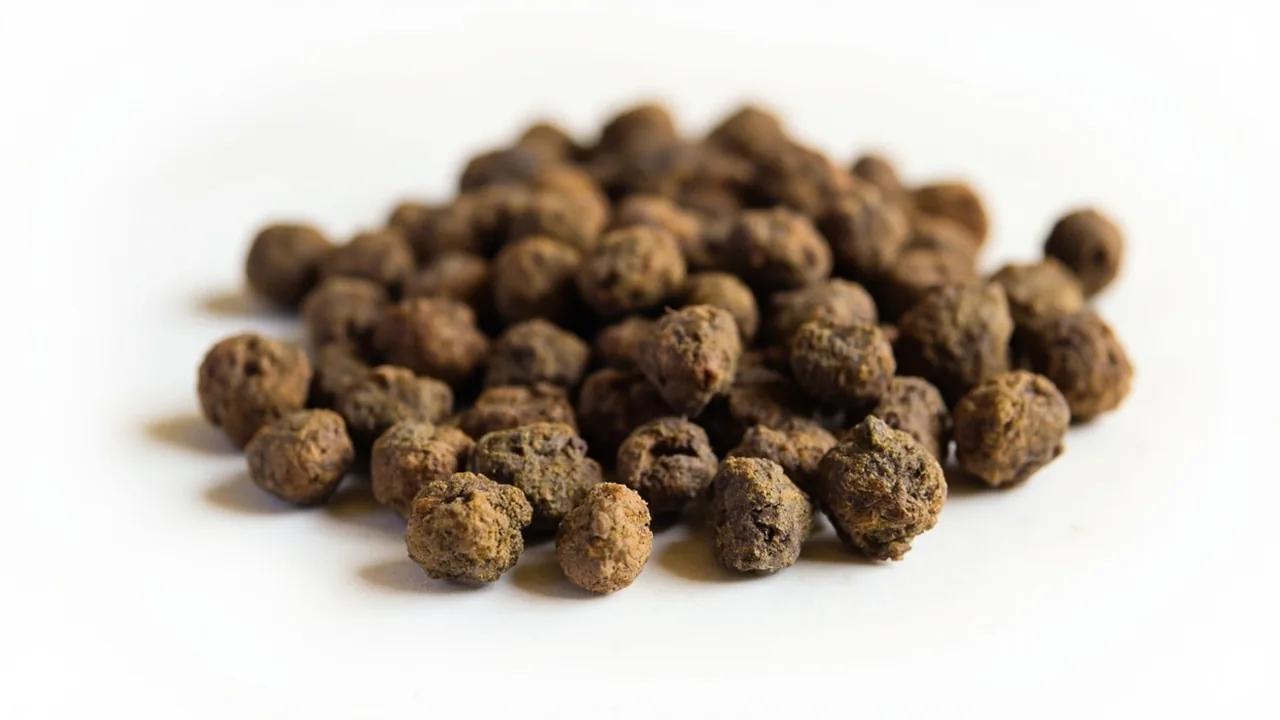
Normal rabbit droppings have consistent characteristics. Once you know what to look for, deviations become obvious.
Size
Normal: 3/8 to 1/2 inch (6–12mm) in diameter, roughly the size of a large pea or small marble.
What it tells you: Consistent size means consistent digestion. Poop that shrinks over days can indicate reduced food intake. Poop that grows unusually large can indicate too many pellets or not enough hay.
Shape
Normal: Perfectly round spheres, uniform in shape.
What it tells you: Rabbits have a digestive system that produces uniformly round pellets through a process called follicular pellet formation. Irregularly shaped poop — elongated, clumped, or fused pellets — can indicate digestive slowdown or hydration issues.
Color
Normal: Dark brown to medium brown, ranging from chocolate to cocoa.
What it tells you: Color varies with diet. More hay produces lighter brown poop. More leafy greens can produce darker green poop. As long as it is in the brown range, color variation within a single day’s diet is normal.
Texture
Normal: Dry, firm, and crumbly when squished. Should not be moist, slimy, or sticky.
What it tells you: Moisture indicates excess water in the digestive tract — either from diarrhea or from eating too many watery vegetables. Slimy or sticky poop can indicate bacterial issues.
Quantity
Normal: Approximately 200–300 fecal pellets per day for an average adult rabbit, produced continuously.
What it tells you: A dramatic reduction in quantity, even if the pellets look normal, can be an early warning sign of GI stasis. Rabbits on a hay-heavy diet produce more and larger pellets than rabbits on a pellet-heavy diet.
Abnormal Rabbit Poop — Types and What They Mean
Use this chart alongside our printable Rabbit Poop Chart — print it and tape it next to your rabbit’s enclosure for quick reference.
Type 1: Small, Hard, Dry Pellets (Dehydration Poop)
Appearance: Very small (2–4mm), hard, dry, and crumbly. May look like rabbit sand or compressed dust.
What it means: Your rabbit is not getting enough water or is eating too little hay. This is a warning sign — small, dry poop often precedes GI stasis.
Action: Increase water intake (offer wet greens, a water bowl instead of bottle, add water to pellets). Increase hay availability. If this persists more than 24 hours, monitor closely and call your vet if accompanied by reduced appetite or lethargy.
Type 2: Large, Overgrown Pellets
Appearance: Larger than normal (3/4 inch+), often slightly irregular in shape.
What it means: Usually caused by too many pellets or too little hay. Also seen in rabbits with dental issues who cannot chew hay properly.
Action: Reduce pellet portions. Increase hay availability. If dental issues are suspected (drooling, wet chin, difficulty eating), see your vet for a dental exam.
Type 3: Chain or Cluster Poop (Poop Chain)
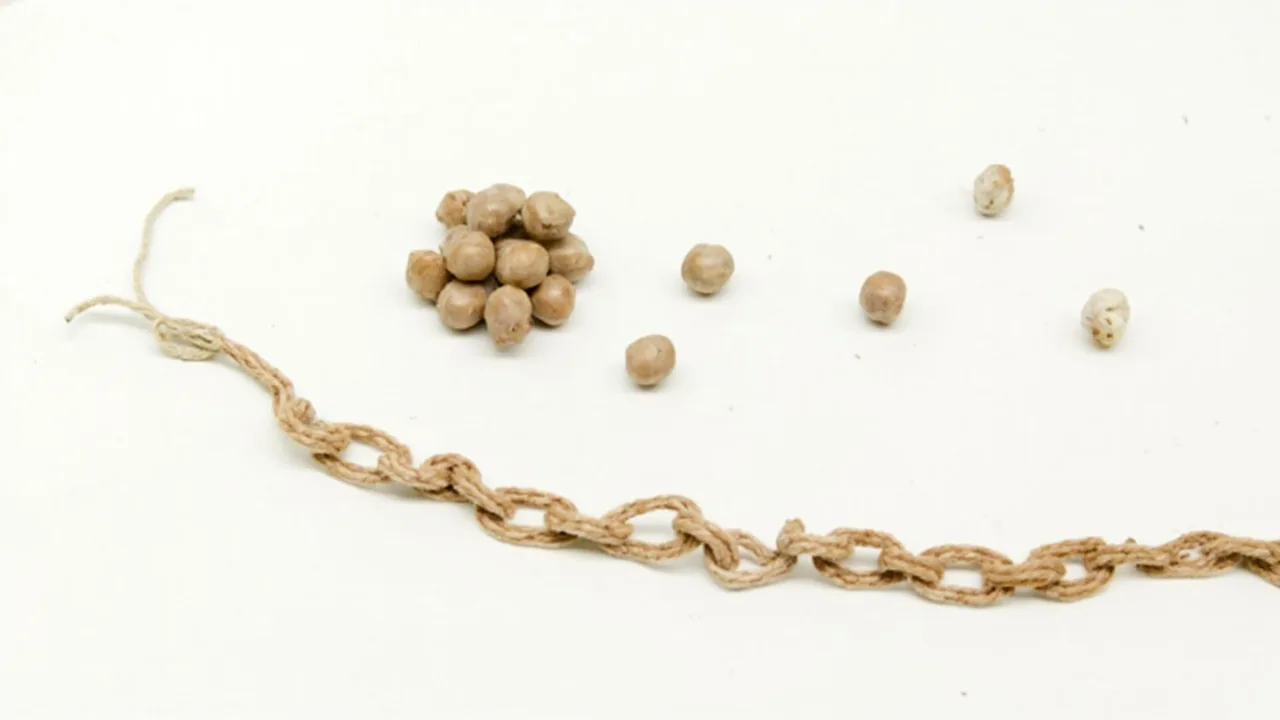
Appearance: Multiple pellets strung together in a chain or cluster, resembling a tiny grape cluster or a string of beads.
What it means: Mild digestive slowdown or a hairball (wool block). This is moderately abnormal — the digestive system is functioning but things are moving slowly.
Action: Increase hay intake. Offer fresh pineapple or papaya (the enzymes help break down hair). Ensure your rabbit is moving and active. If the chains persist more than 2–3 days, or if appetite drops, see your vet.
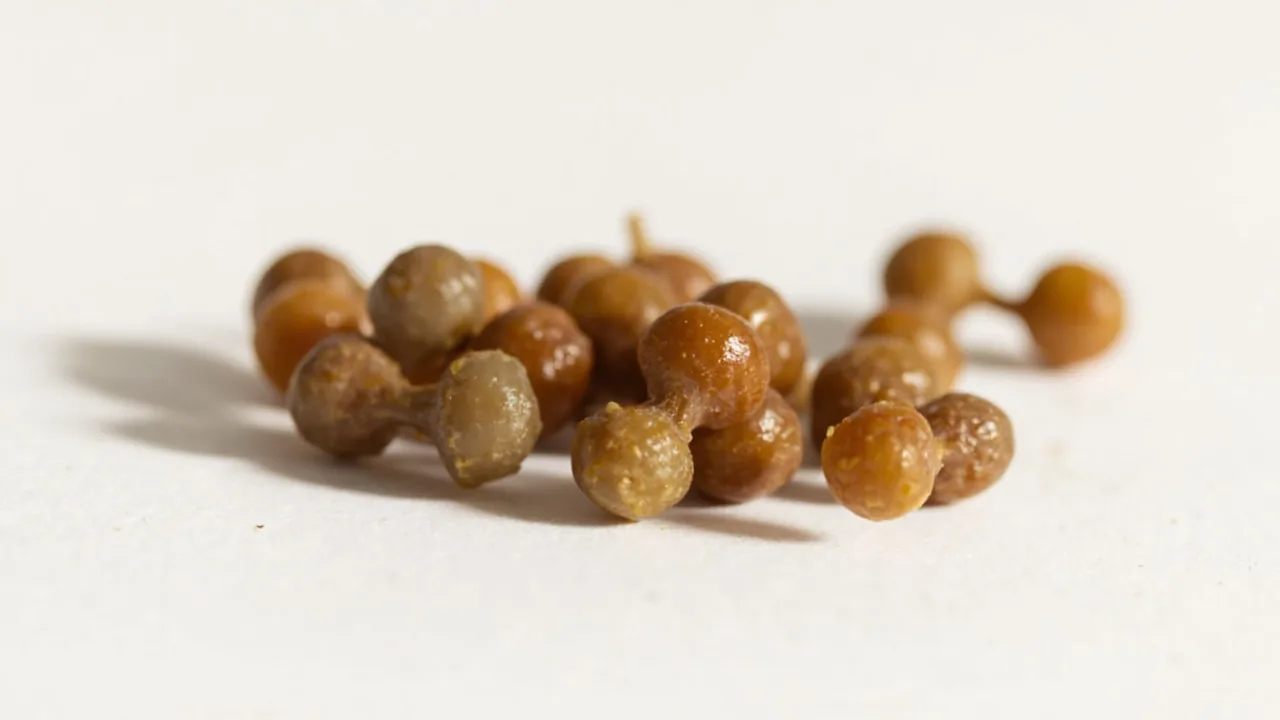
Type 4: Clumped, Wet, or Misaligned Poop
Appearance: Pellets are stuck together in irregular clumps, often with some moisture or mucus present. May have a foul odor.
What it means: This can indicate dysbiosis (an imbalance in gut bacteria), a diet too high in carbohydrates or sugar, or the early stages of softer cecotrope production. Occasionally caused by stress or antibiotic use.
Action: Remove fresh fruits and vegetables temporarily. Increase hay. Probiotics designed for rabbits (like Bene-Bac) can help restore gut flora. If the poop returns to normal within 24–48 hours, monitor. If it persists or your rabbit shows signs of illness, contact your vet.
Type 5: Mucus-Covered Poops
Appearance: Fecal pellets coated in clear or slightly yellow mucus, giving them a slimy appearance.
What it means: Mucus is a sign of intestinal irritation or inflammation. Possible causes include bacterial infection (such as E. coli overgrowth), parasitic infection (coccidia), or inflammatory bowel disease.
Action: This warrants a vet visit, especially if accompanied by diarrhea, lethargy, or loss of appetite. Bring a fresh stool sample if possible.
Type 6: Diarrhea or Soft Pastel Poop
Appearance: Runny, watery, or semiformed stool that is not the firm round pellets you normally see.
What it means: True diarrhea in rabbits is uncommon and always serious. It indicates a significant digestive disruption — bacterial infection, parasitic infection, toxin ingestion, or advanced dysbiosis. This is not the same as soft cecotropes (which are normal and eaten by the rabbit).
Action: This is an emergency. Dehydration can kill rabbits quickly. Call your vet immediately or go to an emergency clinic. If your regular vet is closed, do not wait — rabbit emergencies do not wait for business hours.
Type 7: Green-Tinted or Bright Green Poop
Appearance: Fresh poop with a vivid green tint, or bright green coloring that stands out from normal brown.
What it means: Usually caused by eating a large amount of fresh grass, wheatgrass, or very fresh leafy greens. This passes quickly as digestion normalizes.
Action: Generally not concerning if it resolves within 12–24 hours and the poop returns to normal brown. If the green coloring persists, or if the poop is also soft or watery, contact your vet.
Type 8: Poop with Fur or Hay Embedded
Appearance: Normal-shaped pellets with strands of fur or pieces of hay visibly embedded in them.
What it means: This is actually normal and shows the digestive system is processing what goes in. However, if you see excessive amounts of fur in the poop consistently, it may indicate overgrooming or a wool block forming.
Action: Brush your rabbit regularly, especially long-haired breeds. Increase hay intake to help pass hair through the digestive tract. If your rabbit is producing fewer droppings than usual or showing signs of discomfort, see your vet for an X-ray to check for an obstruction.
How to Use Poop as a Daily Health Check
Make this part of your morning routine:
-
Look before you scoop. Before cleaning the litter box, glance at what is there. Count, size, shape, color — does it look like yesterday?
-
Compare to normal. You know your rabbit’s baseline. Any deviation from their normal — in quantity, size, or shape — is worth noting.
-
Track changes. If something seems off, write it down. “Monday morning: fewer droppings than usual, still eating.” This information is incredibly useful for your vet.
-
React proportionally. Small, single-day deviations often resolve on their own with extra hay and water. Consistent deviations over 24–48 hours need vet attention. True diarrhea, complete appetite loss, or obvious pain need immediate attention.
When to Call the Vet
| Symptom | Urgency |
|---|---|
| Reduced droppings but still eating normally | Monitor; call if persists 24+ hours |
| Chain/cluster poop, appetite slightly reduced | Call vet within 24 hours |
| Small, dry pellets + not eating | Same day vet visit |
| Mucus-covered poop | Same day vet visit |
| Diarrhea or soft, unformed stool | Emergency — immediate vet |
| No droppings at all for 12+ hours | Emergency — immediate vet |
| Bloated or hunched rabbit with abnormal poop | Emergency — immediate vet |
Keep the Printable Chart Handy
Print our Rabbit Poop Chart and tape it near your rabbit’s enclosure. The visual reference makes it easy to compare what you see against the categories above. Share it with anyone who cares for your rabbit — a pet sitter, a family member, a boarding facility. Everyone who cares for your rabbit should know what to look for.
Related Articles: