Rabbit Care Guides
Everything your rabbit needs to thrive — written with expertise and heart.
Your rabbit depends on you for everything — food, safety, health, and happiness. These guides cover the five areas that matter most. Read them all, refer back often, and do not hesitate to call your vet when something feels off.
Browse All Care Guides

Rabbit Health Guide
Emergency signs, common health problems, and when to call the vet. Know what to watch for.

Rabbit Diet Guide
What to feed, how much, and what to avoid. The complete rabbit feeding reference.
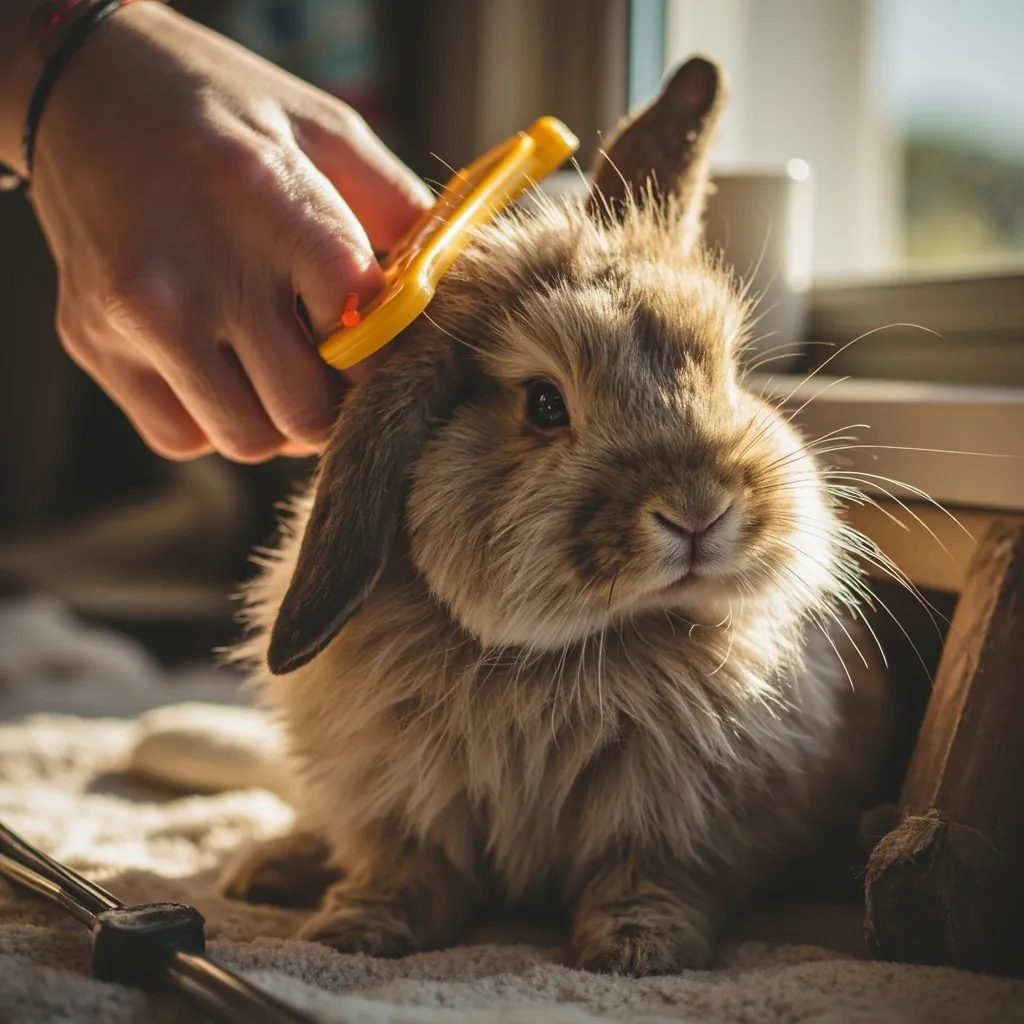
Rabbit Grooming Guide
Brushing, nail trimming, and keeping your rabbit clean. Regular grooming keeps rabbits healthy.

Rabbit Housing Guide
Indoor setups, enclosure requirements, and how to create the ideal living space for your rabbit.

Rabbit Behavior Guide
Understand what your rabbit is telling you. Body language, training, and social needs.

Toxic Plants Guide
Plants that are poisonous to rabbits. Keep your rabbit safe by knowing what to avoid.
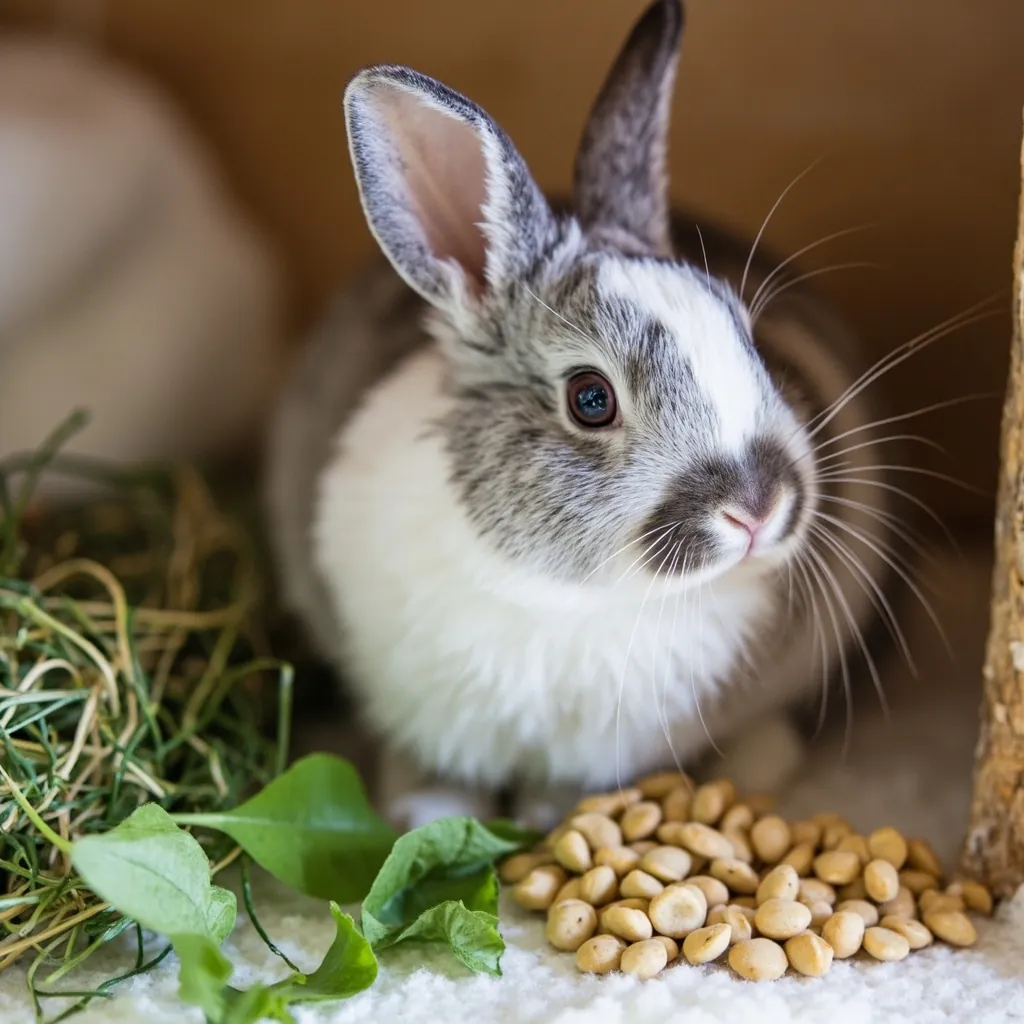
New Rabbit Owner's Guide
Everything you need to know for the first 30 days with your new rabbit.
How to Use These Guides
Each guide is written to be practical and reference-friendly. Here is how to get the most out of them:
- Start with the Health Guide. Understanding what is normal for your rabbit makes it easier to spot when something is not. Know the signs of GI stasis, heat stroke, and shock before they happen.
- Set up housing and diet first. These two things affect every other aspect of your rabbit's well-being. A proper enclosure and unlimited hay prevent most common rabbit health problems before they start.
- Use the Behavior Guide to build trust. Rabbits communicate through body language. Learning to read it deepens your bond, catches problems early, and makes vet visits less stressful for your rabbit.
- Return to the guides as your rabbit ages. A rabbit's needs at two years old are different from a senior rabbit at eight. Revisit the health guide annually and adjust diet and care accordingly.
- Bookmark what you need. Whether it is the grooming checklist or the diet ratios, these guides are designed to be referred back to again and again. Keep the printable versions on your fridge for quick access.
Things Every Rabbit Owner Should Know
Before you dive into the individual guides, keep these non-negotiable fundamentals in mind:
- Rabbits are prey animals. They hide pain and illness until it is serious. Any change in behavior, appetite, or droppings deserves attention. "He seemed fine yesterday" is not a reason to wait.
- Hay is everything. Your rabbit should have unlimited access to timothy or orchard grass hay at all times. It wears down their continuously growing teeth and keeps their digestion moving. No hay = risk of dental disease and GI stasis.
- Find a rabbit-savvy vet before you need one. Not all veterinarians treat rabbits. Not all who say they do have real experience with rabbits. Search the House Rabbit Society vet finder or call your local rabbit rescue for recommendations.
- Supervise, always. Rabbits are curious and can be destructive when bored. Bunny-proof your home — cover electrical cords, block small spaces, remove toxic plants, and watch your rabbit when they are out exploring.
- Rabbits need company. They are social animals. A solo rabbit often struggles without a bonded partner or significant human interaction — plan for at least 2-3 hours of daily engagement if your rabbit lives alone.
- They are not starter pets. Rabbits live 10 to 12 years. Owning one is a long-term commitment that requires research, space, budget, and a vet on speed dial. If you are not ready for a decade of care, wait until you are.
The Five Care Areas — A Quick Overview
🏥 Health
Rabbits hide illness brilliantly. This guide covers the emergency signs every rabbit owner must know — plus the common health problems, parasites, and when a vet visit is urgent versus when it can wait.
Key section: Emergency signs and GI stasis
🥬 Diet
80% of your rabbit's diet should be hay. This guide breaks down exactly what to feed, how much, which vegetables to introduce, and which foods are dangerous. Includes a printable feeding schedule.
Key section: Hay guide and safe vegetable list
✂️ Grooming
Regular grooming is health maintenance — it catches skin problems, prevents hairballs, keeps nails trimmed, and is one of the best bonding activities you can do with your rabbit.
Key section: Nail trimming and molting season care
🏠 Housing
Rabbits need more space than most people expect. This guide covers minimum enclosure sizes, free-roam setup, how to bunny-proof a room, and the temperature ranges that keep rabbits safe.
Key section: Free-roam setup and temperature safety
🐰 Behavior
Understanding rabbit body language transforms your relationship with your rabbit. This guide covers the full range of rabbit behaviors — from happy binkies to stress signs that mean your rabbit needs help.
Key section: Body language chart and stress signs
Printable Care Bundles
Need it on paper? Grab our most-used guides as printable checklists and reference sheets — designed to hang on your fridge or keep in a rabbit care binder.
Complete Printable Bundle
14 print-ready guides covering every care area — health checklists, feeding schedules, grooming logs, and more.
Starting at $4.99Health Bundle
Symptom checker, vet visit prep sheet, emergency signs checklist, and weight tracking log.
$2.99Feeding Schedule
Daily feeding chart, hay portion guide, veggie introduction tracker, and what to avoid reference.
$1.99All bundles are PDF downloads. Print them once, use them for years.
Browse All Printable Bundles →Start Here If You Are New
- Read the Health Guide first — know what normal looks like before something goes wrong.
- Set up the Housing Guide before bringing your rabbit home. Rabbits get stressed in spaces that are too small or too cold.
- Bookmark the Diet Guide — you will refer back to it every day, especially in the first few weeks.
- Print the care bundle and keep it somewhere accessible — the fridge is ideal for the feeding schedule and emergency checklist.
- Download our Rabbit Setup Checklist before you bring your rabbit home — it covers everything from enclosure to bunny-proofing to first vet visit.
⚠️ Medical information: This article is for general educational purposes and is not a substitute for professional veterinary care. Always consult a rabbit-savvy veterinarian for health concerns. See our full disclaimer.