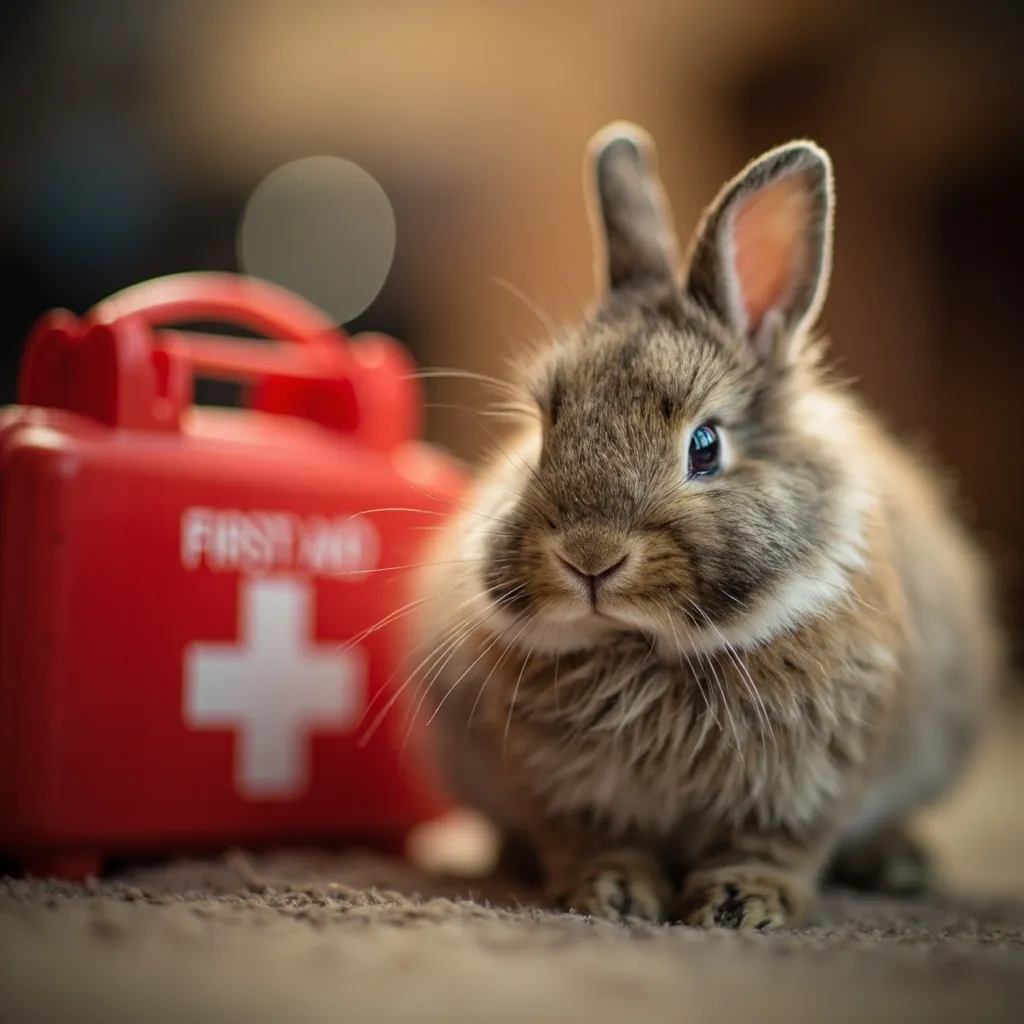
Rabbits are creatures of routine. A stable environment, familiar scents, and predictable daily rhythms are what keep them calm and healthy. Travel disrupts all of that. For most rabbits, staying home in the care of a trusted sitter is less stressful than being loaded into a carrier and hauled somewhere new. But sometimes bringing your rabbit along is necessary — or even the right choice. Here is how to think through it and what to do when travel is on the table.
⚠️ Medical information: This article is for general educational purposes and is not a substitute for professional veterinary care. Always consult a rabbit-savvy veterinarian before traveling with your rabbit. See our full disclaimer.
Should You Bring Your Rabbit or Leave Them at Home?
The first question to ask is whether your rabbit genuinely needs to come with you. Consider:
- How long will you be gone? A day trip is very different from a week-long vacation.
- How does your rabbit handle change? Some rabbits adapt well; others stress easily. Know your rabbit’s temperament.
- Who will care for them at home? A reliable, rabbit-savvy caretaker may be the kinder choice for a nervous rabbit.
- Is your rabbit medically stable? Rabbits with chronic health conditions may not handle travel well.
If you are gone for more than a couple of days and your rabbit is healthy and resilient, bringing them may be appropriate. For short absences, a trusted sitter is usually better for your rabbit’s wellbeing.
Vet Check Before Travel
Schedule a vet visit at least two weeks before any trip. Your rabbit needs:
- A current health exam confirming they are fit to travel
- Any necessary vaccinations (RHDV2 is recommended in many areas)
- A health certificate or Certificate of Veterinary Inspection (CVI) — required for air travel and often needed when crossing state or country lines
- Proof of vaccinations and medical history to carry with you
If your rabbit takes medication or has a chronic condition, ask your vet about managing it during travel. Bring enough medication to last the trip plus a few extra days in case of delays.
Car Travel with Your Rabbit
Car travel is the most common way rabbits travel, and it can be straightforward with the right preparation.
Choosing and Setting Up the Carrier
Use a hard-sided carrier large enough for your rabbit to stand up, turn around, and lie down comfortably. Soft-sided carriers can work for calm rabbits, but hard plastic offers better protection in an accident.
Line the carrier with a towel or fleece for traction and comfort. Add a small litter box with a thin layer of hay — rabbits will often use it during a long drive. Avoid putting anything loose in the carrier that could shift or scatter during travel.
Safety in the Car
Secure the carrier with a seatbelt or place it on the floor behind a seat where it cannot slide. Never place a carrier on a car seat unrestrained — in a sudden stop, it becomes a projectile.
Keep the car cool. Rabbits overheat easily. Set the air conditioning to a comfortable temperature and never leave your rabbit in a parked car, even briefly. Cars heat up dangerously fast in warm weather.
Managing Stress
Some rabbits travel calmly; others panic. To reduce stress:
- Let your rabbit explore the carrier at home for a few days before the trip.
- Place a worn t-shirt or familiar fleece in the carrier — your scent helps.
- Keep the car quiet and calm. Avoid loud music.
- For long drives, stop every two to three hours to offer water and hay.
- If your rabbit is extremely anxious, talk to your vet about whether a rabbit-safe anti-nausea or calming product is appropriate.
Do not feed a large meal right before traveling. Hay should always be available, but save the pellets and vegetables for after you arrive or at rest stops.
Air Travel with Your Rabbit
Flying with a rabbit is more complicated and more stressful than driving. Most airlines allow rabbits in-cabin on domestic flights, but cargo travel — where rabbits are placed in the aircraft’s cargo hold — is genuinely risky. The cargo hold is dark, loud, and not temperature controlled in the way your rabbit needs.
In-Cabin vs. Cargo
In-cabin: Your rabbit stays with you in a carrier that fits under the seat. This is the safest option if your airline permits it. Most U.S. airlines allow small pets in-cabin, but rabbits are often treated as a special case. Confirm directly with the airline before booking.
Cargo: This should be a last resort. The American Humane Association and most rabbit rescues strongly advise against putting rabbits in cargo. If you must, research airlines with animal-safe cargo policies and book direct flights to minimize connections and delays.
Airline Policies and Requirements
Each airline has its own rules. You will typically need:
- An approved carrier that meets the airline’s size requirements
- A health certificate from your vet, usually issued within 10 days of travel
- Proof of current vaccinations
Book early. Many airlines limit the number of pets per flight. Choose early morning or evening flights in cooler months to reduce temperature risks.
International Travel
Traveling outside your country requires more paperwork. Many countries have long quarantine periods or ban the import of rabbits entirely. Research the destination country’s import rules well in advance — this process can take months.
Hotels and Accommodation
Not all hotels allow rabbits. Call ahead and confirm before booking. Ask specifically about their pet policy and whether any breed or size restrictions apply.
When you arrive:
- Check the room for hazards — exposed wires, houseplants that might be toxic, gaps behind furniture where a rabbit could get stuck.
- Set up a small safe space for your rabbit — a bathroom with a litter box and hay can work for a night or two.
- Bring a familiar item from home, like a fleece or toy, to help your rabbit settle.
- Keep your rabbit in the carrier or a confined safe area while you are not in the room. Housekeepers and unexpected noises can startle them.
- Never leave your rabbit unattended in a room with the “Do Not Disturb” sign hanging. A housekeeping visit or maintenance check while you are out could result in your rabbit escaping or being exposed to something dangerous.
Pet-friendly vacation rentals can be a better option for longer stays. They offer more space, a kitchen for preparing your rabbit’s food, and fewer disruptions than hotel hallways.
What to Pack
Pack these items for your rabbit before any trip:
Essentials:
- Carrier lined with a towel or fleece
- Enough hay to last the trip plus two extra days
- Portable water bottle or bowl
- Rabbit pellets (your rabbit’s regular brand — sudden diet changes cause digestive upset)
- Portable litter box and a small bag of familiar litter
- Medication if your rabbit takes any
- Health certificate and vaccination records
Comfort items:
- A familiar fleece, blanket, or toy that smells like home
- Your rabbit’s regular food and treats
Emergency kit:
- Small bottle of critical care powder (in case your rabbit stops eating)
- Gauze and saline for wound cleaning
- Your vet’s contact number and the number for an emergency clinic at your destination
- Heating pad (for long trips or cold destinations)
At-Destination Care and Safety
Once you arrive, prioritize your rabbit’s comfort and safety:
- Set up the carrier or a confined safe area immediately.
- Offer hay and water right away.
- Monitor eating and droppings — any change can indicate stress. If your rabbit stops eating for more than 12 hours, contact a vet.
- Keep your rabbit away from houseplants, electrical cords, and any unfamiliar animals.
- Stick to your rabbit’s normal routine as much as possible — same feeding times, same foods.
- Find a rabbit-savvy vet at your destination before you need one. Save the number in your phone.
Long-Distance vs. Short Trips
Short trips (a few hours by car): These are manageable for most rabbits if they are comfortable in their carrier. Feed normally, offer hay during the trip, and do not overheat. Your rabbit will likely bounce back quickly once home.
Long road trips (several hours to multiple days): These require more planning. Stop every two to three hours to offer water and hay. Do not feed large meals while driving. Consider whether an overnight stay with a break makes sense for both you and your rabbit. A tired, hungry rabbit who has been jostled in a carrier for eight hours is a miserable travel companion.
Extended travel (days to weeks): If you are traveling for more than a few days, your rabbit’s quality of life at the destination matters. A hotel room is not ideal for a rabbit long-term. Consider whether a pet sitter at home is genuinely the better choice for trips of a week or more.
The Bottom Line
Traveling with a rabbit takes more planning than traveling with a cat or dog, but it can be done safely. The keys are: prepare well, know your rabbit, prioritize their comfort and safety over convenience, and always have a vet connection at your destination.
For most trips, the honest answer is that your rabbit would rather stay home in familiar surroundings with someone who knows them. When bringing them is the right choice, do it carefully — and they stand a good chance of handling it just fine.
📋 Download our Rabbit Travel Checklist for a printable packing and preparation guide.
Ready to Dive Deeper?
Make sure you are fully prepared before you hit the road. Download the Rabbit Travel Checklist and keep it with your bags so nothing gets left behind.
Download the Checklist Browse All Printables