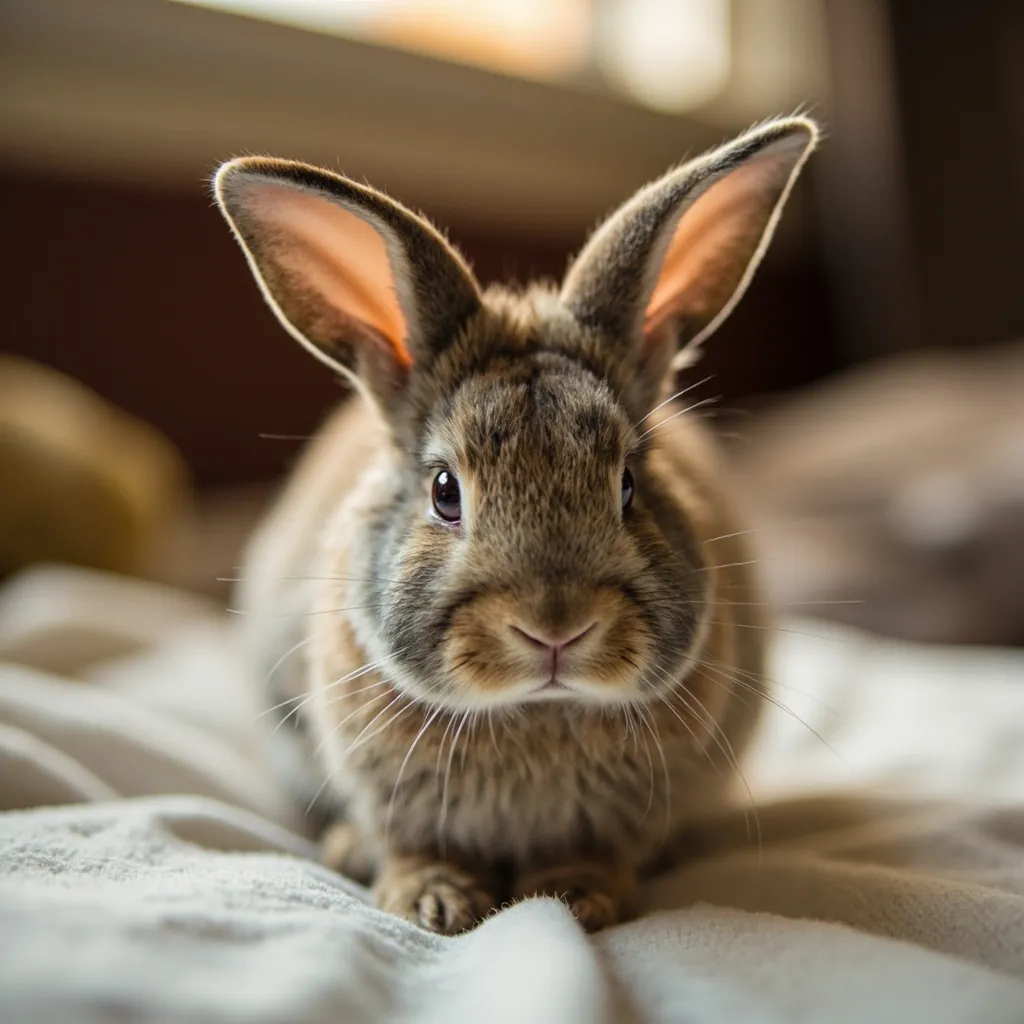
Heating pad: A pet-safe heating pad set to low can help a rabbit in pain stay warm — rabbits lose body heat quickly when they are not moving. Never leave it on unattended.
Rabbits are masters at hiding pain. In the wild, a rabbit that shows weakness becomes a target. That instinct does not disappear in a pet rabbit — it means the signs of pain are subtle, easy to miss, and easy to mistake for something else.
This guide is not about diagnosing — that is between you and your vet. This is about helping you recognize when your rabbit is telling you something is wrong, so you can act before it becomes an emergency.
⚠️ Medical information: This article is for general educational purposes and is not a substitute for professional veterinary care. Always consult a rabbit-savvy veterinarian for health concerns. See our full disclaimer.
When in Doubt, Go to the Vet
Rabbits can go downhill shockingly fast. If you are wondering whether to go, go. It is always better to be seen for something minor than to wait for something catastrophic.
Why Rabbits Hide Pain
Prey animals — animals that are hunted in the wild — have evolved to conceal weakness. A rabbit that lies around in obvious discomfort is an easy target for a predator. This survival mechanism is deeply embedded in rabbit behavior, and no amount of domestic comfort erases millions of years of evolution.
What this means practically: your rabbit will not cry out in obvious pain the way a dog might. You will not hear distress calls or see obvious limping until the condition is advanced. Instead, rabbits show pain through small behavioral shifts, changes in posture, and subtle differences in how they interact with their environment. Learning to read these signals is one of the most important skills a rabbit owner can develop.
It also means rabbits can go from “seeming a little off” to “critically ill” in a very short time. When you notice something wrong, act quickly.
12 Signs Your Rabbit Is Hiding Pain (That Most Owners Miss)
Because rabbits are hardwired to conceal discomfort, the most important signs are also the easiest to overlook. These are the signals that require the most attention — the ones that blend into normal behavior unless you are specifically looking for them.
- Slightly decreased hopping — Your rabbit still moves but takes shorter hops than usual, or hesitates before jumping. Prey reason: Jumping and rapid movement signals fitness to predators, so a rabbit in pain conserves energy by minimizing these tells.
- Eating pellets from a lying-down position — Instead of sitting upright to eat, your rabbit munches while lying flat. Prey reason: The upright posture used while eating is a vulnerable position; a rabbit too sore to hold it chooses the safer, lower profile.
- Weight shift when being touched — You notice your rabbit subtly leaning away from your hand rather than settling into your touch. Prey reason: Predictable responses to contact are safe; unpredictable, defensive reactions suggest something is wrong, so rabbits suppress them until pain is significant.
- A slightly dull or flattened ear on one side — Not both ears pinned, just one ear held at a different angle than normal. Prey reason: Ears are sensory organs; holding them abnormally low reduces their sensory profile, mimicking the low-stance of a rabbit trying to go unnoticed.
- Drinking less water — A rabbit who suddenly shows less interest in water but still eats may be masking pain that makes drinking uncomfortable (especially with dental issues or urinary pain). Prey reason: Thirst signals weakness; a rabbit in pain may suppress the urge to drink rather than advertise vulnerability at the water bowl.
- Choosing one food over another — Your rabbit stops eating hay but accepts pellets, or stops eating greens but takes pellets. Prey reason: Chewing requires jaw movement that is painful when teeth or mouth are injured; rabbits select foods that minimize the pain signals sent by prolonged chewing.
- Resting eyes half-closed while awake — A relaxed rabbit has bright, open eyes. A rabbit in subtle pain may rest their eyes without fully closing them, looking almost drowsy without being asleep. Prey reason: Fully closed eyes signal unconsciousness or death; half-closed eyes suggest a rabbit is conserving energy while maintaining a visual watch for threats.
- Feet positioned differently when sitting — Toes slightly splayed, one foot tucked at an angle, or both feet placed forward instead of tucked under. Prey reason: Proper foot positioning enables fast flight; splayed or awkwardly placed feet compromise escape speed, so a rabbit showing this sign has usually exhausted its ability to hide pain.
- Avoiding the litter box or using it differently — Climbing in and out of a high-sided litter box hurts, so a rabbit in pain may start toileting outside it despite being otherwise well-trained. Prey reason: A crouched posture in the litter box is both vulnerable and potentially painful; a rabbit seeking a flatter, easier surface for elimination is often suppressing significant discomfort.
- Less interest in grooming the face and front paws — This area requires flexibility that is painful for rabbits with dental issues, jaw pain, or arthritis in the spine and shoulders. Prey reason: Grooming is a public displays of health; a rabbit that stops grooming visible areas is signaling that it no longer has the energy to maintain the illusion of wellness.
- Not demanding as much attention or play — Your normally pushy, demanding rabbit is suddenly independent and quiet. Prey reason: Social engagement is a sign of vitality; withdrawing from interaction is one of the last signals a prey animal gives before collapse, and it is easily missed in rabbits who were never particularly demanding to begin with.
- A coat that looks less fluffy than usual — Rabbits in pain often do not puff up their fur normally. The coat lies flat or looks thin even if it is clean. Prey reason: A puffed-up coat signals health, youth, and readiness for social or reproductive display; a flat coat signals that a rabbit is conserving metabolic resources for survival rather than display.
Pain Triage Scale: From Mild Discomfort to Emergency
Use this guide to assess where your rabbit falls on the urgency spectrum. When in doubt, move up one level.
Mild Discomfort
Rabbit is eating normally, still active, coat is clean, droppings are normal. May show one or two subtle signs from the list above but otherwise behaves normally.
Action: Schedule a regular vet appointment within 24 to 48 hours.
Moderate Pain
Noticeable change in behavior — less active, eating less, spending more time in hidey house. Posture is slightly hunched. Showing three or more signs from the list above.
Action: Call your rabbit-savvy vet today. Do not wait for a regular appointment.
Severe Pain
Rabbit is hunched, grinding teeth audibly, not eating, hiding in a corner, breathing heavily. Droppings are absent, small, or misshapen. One or more physical signs are obvious.
Action: Go to the vet now — this is an emergency visit, not a wait-until-tomorrow situation.
Life-Threatening Emergency
Open-mouth breathing, extreme lethargy or collapse, blood anywhere it should not be, signs of shock (cold ears, pale gums), complete refusal to move, severe injury visible.
Action: Go to the nearest emergency exotic vet immediately. Call ahead so they can prepare.
Physical Signs of Pain in Rabbits
When to Rush to the Vet
Do not wait if your rabbit shows any of these signs:
- Open-mouth breathing (this is a medical emergency — rabbits cannot breathe through their mouths)
- No droppings for more than 12 hours
- No eating for more than 12 hours
- Loud, hard tooth grinding (bruxism)
- Bloody urine, feces, or discharge from any opening
- Head tilt combined with loss of balance or circling
- Collapse or inability to stand
- Visible injury with swelling or obvious pain
- Labored, noisy, or shallow breathing
- Seizure or sudden loss of consciousness
Rabbits can deteriorate within hours. If you are wondering whether to go, go.
Posture
The most telling posture in a rabbit that is in pain is a hunched, balled-up position with the ears flattened back against the body. The rabbit looks tightly compact, as if they are trying to take up as little space as possible. This is the universal pain posture in rabbits.
Compare this to a relaxed rabbit, who lies stretched out on their side or flopped with hind legs extended. A rabbit who is always sitting upright and tucked in, who never flops or stretches out, may be suppressing discomfort. Some rabbits in pain will sit with one leg tucked under the body rather than placed normally beneath them.
Teeth Grinding
Rabbits make two distinct tooth-grinding sounds. The soft, gentle purring sound — a slow, rhythmic clicking that you can feel as much as hear when you hold your rabbit — is a sign of contentment, like a cat’s purr. This sound means your rabbit is relaxed.
The other sound is a hard, loud grinding or chattering of the teeth, sometimes called bruxism. This is a sign of pain. It is often accompanied by a tense body, a hunched posture, and a reluctance to move. If you hear hard tooth grinding, your rabbit needs veterinary attention today.
Reluctance to Move
A rabbit in pain will often become motionless when approached, or move as little as possible. They may not come to the front of the enclosure when you open the cage. They may sit in the same spot for hours rather than moving to different areas. This is not calm — it is pain-related immobility.
Watch for reluctance to move in combination with other signs. A rabbit who is simply relaxed may be still but will respond to interesting sounds or smells, will shift position occasionally, and will have normal droppings. A rabbit in pain is inert and unresponsive to things that would normally interest them.
Labored or Shallow Breathing
A relaxed rabbit breathes quietly and evenly, about 30 to 60 breaths per minute at rest. If you notice your rabbit’s sides heaving more than usual, if the breathing sounds noisy or wheezy, or if the rabbit is breathing with an open mouth, these are serious signs. Open-mouth breathing in a rabbit is a medical emergency — they are in respiratory distress and need emergency veterinary care immediately.
Hunched Appearance
The hunched look in a rabbit with pain involves the spine curving upward, the head held lower than normal, and the ears pointed more downward than usual. The rabbit’s sides may also look more prominent because they are not fluffing up or rounding out their body. A rabbit who looks thin or wrinkled when they normally look round and fluffy may be in chronic pain.
Behavioral Changes That Indicate Pain
Aggression When Touched
If your normally gentle rabbit suddenly growls, grunts, lunges, or bites when you reach toward them or try to pick them up, there is a reason. Pain makes rabbits defensive because they associate being touched with discomfort. This is particularly true if your rabbit reacts strongly when you touch a specific area of their body, such as the back, hips, belly, or jaw. Note where your rabbit flinches or turns to bite — this tells you where the pain is localized.
Excessive Hiding
Rabbits in pain often retreat to the most hidden, enclosed space available. They may go into their hidey house and stay there, only coming out to eat or drink if at all. A rabbit who has suddenly become very reclusive after being more social previously is sending a message — something is wrong.
Not Grooming
Grooming is a comfort behavior in rabbits. A rabbit in pain often stops grooming because it requires movement and flexibility that hurts. This shows up as a dull, unkempt coat, matting on the back and hindquarters (areas that are harder to reach when the body hurts), and fur that looks dirty or matted when it was previously clean. Senior rabbits with arthritis particularly show this change — they simply cannot twist and bend enough to groom properly anymore.
Change in Dropping Patterns
Gut motility slows significantly when a rabbit is in pain due to the stress response. This means fewer droppings, smaller droppings, or droppings that are misshapen. If your rabbit is producing normal, round, dry droppings in normal quantities, that is one of the best signs they are not in acute pain. Any significant change in dropping patterns is worth investigating.
Appetite Changes
A rabbit in pain often loses interest in food. This can be total refusal or partial — they approach the food bowl, sniff it, maybe take one piece of food and then walk away. Watch for this pattern: interest without eating is just as concerning as total refusal in a rabbit. Even if your rabbit seems to want food, if they are not actually consuming it, something is wrong.
Specific Conditions That Cause Pain in Rabbits
Dental Disease
Dental problems are one of the most common sources of pain in pet rabbits. The molars and incisors grow continuously and can develop sharp points (spurs) that cut into the tongue or cheeks. Tooth roots can become impacted or infected, causing abscesses in the jaw. Broken teeth from injury or from chewing on inappropriate objects can expose nerve tissue. All of these cause significant pain that rabbits hide extremely well.
Signs of dental pain include dropping food, tilting the head to one side while eating, drooling or a wet chin, refusing to eat hay (which requires the most chewing), and weight loss despite appearing to have an appetite.
GI Stasis
The bloating and gut distension that comes with GI stasis causes significant pain. The gas buildup in the stomach and intestines is painful enough that rabbits will often sit in a hunched position and grind their teeth audibly. GI stasis pain is one of the most common reasons rabbits are brought to emergency exotic vets.
Ear Infections
Ear infections in rabbits commonly cause pain inside the ear canal and can affect the vestibular system, resulting in head tilt, loss of balance, and circling. Rabbits with ear infections may scratch at their ears, shake their heads, or hold their head at an angle. The inner ear is very close to the brain — untreated ear infections can become serious quickly.
Arthritis
Senior rabbits often develop arthritis, especially in the hips, spine, and knees. The pain is chronic and manageable, but rabbits with arthritis will show it in subtle ways: reluctance to jump up or down from favorite spots, moving more slowly after rest, sitting with feet splayed out flat rather than tucked under, and avoiding being picked up. Arthritis in rabbits is underdiagnosed because the signs are easy to attribute to being old.
Urinary Tract Infections and Bladder Stones
Rabbits can develop serious urinary tract infections and bladder stones that cause significant pain during urination. Signs include straining to urinate, producing only small amounts of urine, blood in the urine, crying or squeaking during urination, and urinating outside the litter box. Bladder stones may require surgical removal.
Snout or Facial Injuries
Rabbits that have suffered scratches or bite wounds to the face or snout, or that have dental root infections, will show pain through reluctance to eat hard foods, pawing at the face, swelling around the eyes or jaw, and excessive drooling.
Acute vs. Chronic Pain: What’s the Difference
Acute pain comes on suddenly and is often severe. It has a clear cause — an injury, an infection, a sudden illness. Acute pain often shows obvious physical signs: a rabbit that was fine yesterday and is now hunched and grinding teeth has acute pain. This warrants an emergency vet visit.
Chronic pain builds up slowly over time and persists. Arthritis is the most common example. Rabbits with chronic pain often behave almost normally — they may eat fine and even seem playful — but they move differently, groom less thoroughly, and may have increasing difficulty with things that used to be easy. Chronic pain is no less real than acute pain, but it is easier to miss because the signs are more subtle and develop gradually.
The distinction matters because it affects how you respond. Acute pain demands immediate action. Chronic pain calls for a longer-term management plan with your vet, including pain medication, environmental modifications, and regular monitoring.
Keep This Information Handy
Download our free Rabbit Pain Reference Card — a printable quick-reference guide you can tape to your fridge or keep in your first-aid kit.
Download the Reference Card Browse All Printables
What to Give for Pain in Rabbits
Never Give Human Pain Medications to Rabbits
Ibuprofen, aspirin, acetaminophen, and naproxen can be fatal to rabbits. Even medications prescribed for dogs or cats can be dangerous. Only give medication to your rabbit that has been specifically prescribed or approved by a rabbit-savvy veterinarian.
When your veterinarian identifies the source of pain, they may prescribe rabbit-safe pain medications. The most common are:
- Meloxicam (Metacam) — a non-steroidal anti-inflammatory (NSAID) that is commonly prescribed for pain and inflammation in rabbits. Dose is weight-based and must be calculated by your vet.
- Gabapentin — used for chronic nerve pain and arthritis pain in rabbits. Often well-tolerated for long-term use.
- Buprenorphine — an opioid used for acute pain, typically in a hospital setting or for short-term use at home after procedures.
Never give your rabbit any medication without explicit veterinary direction. The rabbit’s size, species, and individual health conditions all affect what is safe to give. Human dosages or dog/cat dosages applied to rabbits can be toxic.
Comfort Measures at Home
While you are arranging veterinary care, there are things you can do to help your rabbit feel more comfortable:
- Provide a soft, padded resting area — memory foam or folded towels give aching joints and bodies something to sink into.
- Keep them warm — gentle warmth (a heating pad on low under a towel, a warm sock filled with rice) can soothe pain. Do not overheat.
- Minimize handling — if your rabbit is in pain, being picked up and moved causes more discomfort. Keep interactions calm and low to the ground.
- Offer favorite foods — even if they do not eat much, gentle coaxing with fresh herbs or a favorite treat keeps the gut moving.
- Reduce noise and activity — a calm, quiet environment reduces stress, which in turn reduces pain perception.
When to Consider Euthanasia
This is the most difficult part of rabbit care, and it deserves honest conversation. Quality of life matters. If your rabbit’s pain cannot be managed adequately, if they are not interested in food or their surroundings, if they spend most of their time hiding and showing no curiosity or engagement, those are serious signs.
Work with your veterinarian to assess quality of life regularly. There are scoring systems available that can help you evaluate this objectively. The decision to provide a peaceful end to suffering is an act of love. Many rabbit-savvy veterinarians offer at-home euthanasia so your rabbit can pass in familiar, comfortable surroundings.
The House Rabbit Society has pet loss support resources at rabbit.org. If you are navigating this decision, you do not have to do it alone.
Ready to Dive Deeper?
Print our free Rabbit Health Checklist to monitor your rabbit’s condition at home.
Download the Checklist Browse All Printables
Frequently Asked Questions
My senior rabbit moves more slowly than before. Is that pain or just old age?It is most likely pain. Arthritis is extremely common in rabbits over age 5, but because rabbits hide pain so well, it is often attributed to normal aging. If your rabbit has slowed down, speak with your vet about pain management options. There is a great deal that can be done to improve an arthritic rabbit’s quality of life — you do not have to accept slow decline as inevitable.
How do I know if my rabbit’s pain is an emergency or something that can wait for a regular vet appointment?Emergency signs requiring immediate care: labored or open-mouth breathing, not eating for more than 12 hours, no droppings for more than 12 hours, head tilt with loss of balance, blood anywhere it should not be, severe injury, and loud tooth grinding. If your rabbit appears to be in distress, is hunched and grinding teeth, or has visible swelling, call your vet today.
Can rabbits recover from pain on their own without veterinary care?Some minor, short-term discomfort may resolve on its own — a minor muscle strain, for example. But most causes of significant pain in rabbits require treatment. Pain is a symptom of an underlying problem, and that problem usually needs to be addressed directly. Letting pain persist while waiting to see if it resolves on its own is not the right approach for rabbits, who hide pain until it is advanced.
My rabbit is eating but seems withdrawn. Should I still be concerned?Yes. A change in personality and activity level — even if your rabbit is still eating — is a meaningful sign. Rabbits who are withdrawn and inactive, who hide more than usual, or who have stopped engaging with their environment need veterinary attention. Eating while otherwise withdrawn is not the same as being healthy.
What if my rabbit’s pain is chronic and cannot be fully cured?Chronic pain management is a valid and important part of rabbit care. Work with your veterinarian to create a long-term plan that may include pain medication, joint supplements, environmental modifications (ramps instead of jumps, softer bedding, lower litter box sides), regular monitoring, and adjustments to diet and exercise. Many rabbits with well-managed chronic pain continue to live full, comfortable lives for years.
.faq-section details { background: white; border-radius: 10px; margin-bottom: 0.75rem; border: 1px solid var(—color-cream-editorial); overflow: hidden; } .faq-section summary { padding: 1rem 1.25rem; cursor: pointer; font-weight: 600; color: var(—color-brown-editorial); list-style: none; display: flex; justify-content: space-between; align-items: center; font-size: 0.97rem; line-height: 1.4; } .faq-section summary::-webkit-details-marker { display: none; } .faq-section summary::after { content: ”+”; font-size: 1.4rem; font-weight: 400; color: var(—color-sage-editorial); flex-shrink: 0; margin-left: 0.5rem; transition: transform 0.2s ease; } .faq-section details[open] summary::after { transform: rotate(45deg); } .faq-section .faq-answer { padding: 0 1.25rem 1rem; color: var(—color-warm-gray); line-height: 1.7; font-size: 0.92rem; } .faq-section details[open] summary { border-bottom: 1px solid var(—color-cream-editorial); }