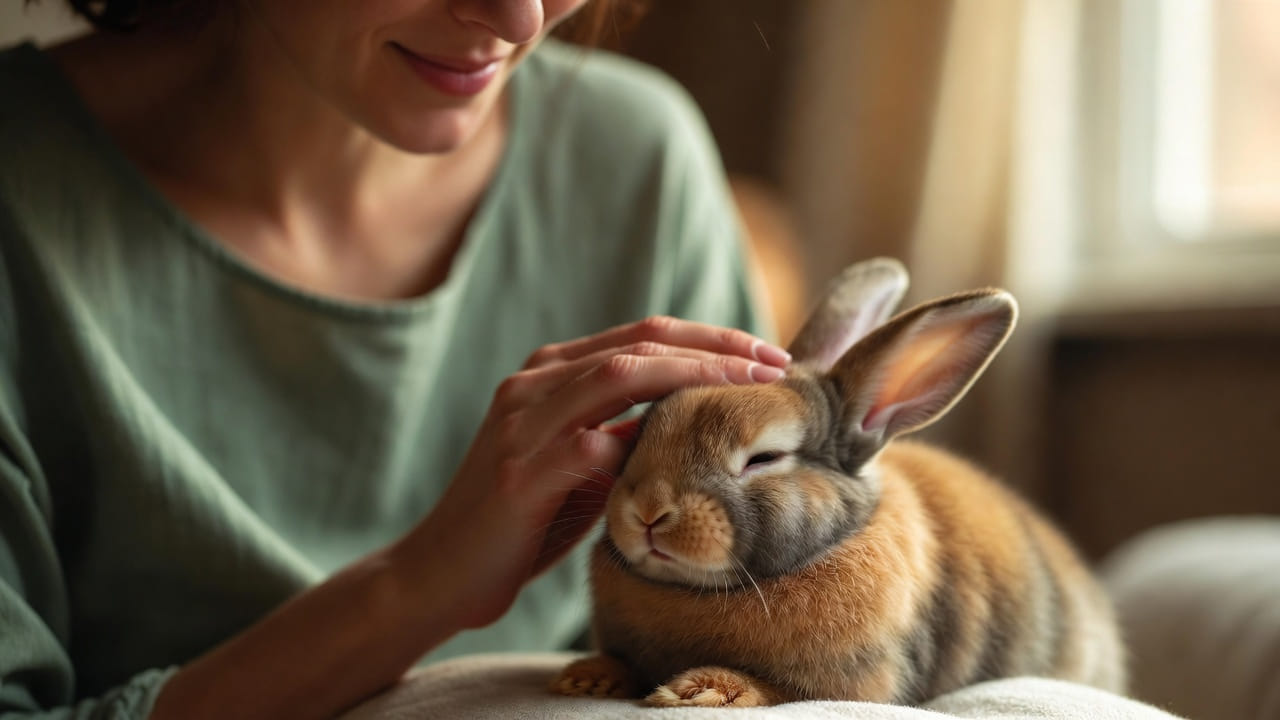
Long-Haired Rabbit Grooming Guide - Keeping Rabbits
Angoras, Lionheads, Fuzzy Lops, and other long-haired breeds require dedicated grooming — here is how to do it right
Long-haired rabbit breeds are beautiful — and they require significantly more grooming than their short-haired counterparts. Without daily attention, their fur mats quickly, which can lead to skin infections, pain, and serious health issues. The good news: with the right tools and a consistent routine, keeping a long-haired rabbit well-groomed is entirely manageable.
Breeds with Long Fur
Not all long-haired rabbits are the same. The grooming intensity depends on the breed and coat type:
- Angora — Very high maintenance. Fur grows continuously and mats easily. Requires daily brushing.
- French Angora — Slightly easier than English Angoras, but still needs daily grooming.
- Lionhead — Mane fur around the head and flanks. The mane area mats easily; body fur is easier to manage.
- Jersey Wooly — Smaller breed with a softer, denser coat. Moderate maintenance.
- Fuzzy Lop — Drop ears and wooly coat. Daily grooming required.
- American Fuzzy Lop — Similar to Fuzzy Lop, wooly coat needs daily attention.
Essential Grooming Tools
- Slicker brush — The most important tool. Removes loose fur and works through mats before they get severe.
- Metal comb — For working through the undercoat and separating fur layers.
- Mat splitter or mat rake — For safely cutting apart mats that have already formed.
- Small scissors — For trimming fur around the bottom and sanitary areas.
- Corn starch or grooming powder — Helps separate mats and reduces friction when brushing.
- Dematting comb — For stubborn mats close to the skin.
The Daily Grooming Routine
Step 1: Line brush the full coat
Using a slicker brush, work from the skin outward in small sections. Brush in the direction of fur growth. Do not press hard — let the brush do the work. Lift the top fur to reach the undercoat.
Step 2: Check problem areas
Long-haired rabbits mat most often behind the ears, on the flanks, and around the rear. Run your hands through these areas and work a comb through any tangles you find.
Step 3: Check the bottom
Fur around the rabbit's rear can become matted with droppings. This is not just unsightly — it attracts flies and can lead to fly strike. Clean the area with scissors or a sanitized clipper as needed.
Step 4: Check for parasites and skin issues
While grooming, look for signs of:
- Fur loss or thinning
- Redness or scabs
- Flaky skin
- Signs of mites (white powdery residue, scratching)
- Sore hocks (red or calloused pads on the feet)
Step 5: Smooth and finish
Run a metal comb through the full coat to smooth and check for remaining tangles.
When Mats Get Bad
If mats are already severe, do not try to brush them out. Work a mat splitter or mat rake carefully under the mat, then cut the mat into smaller sections before working them out with a slicker brush. Never pull mats out — you will tear the skin.
For severe mats that cannot be safely removed, a full body shave may be necessary. A rabbit-savvy groomer or vet can do this safely, and the fur will grow back — it can take several months, but it does grow back.
Diet and Fur Health
A rabbit's fur quality reflects their overall health and diet. To support a healthy coat:
- Unlimited timothy hay — Fiber is essential for gut health, which affects coat condition
- Balanced pellets — Provides vitamins and minerals that support coat health
- Fresh vegetables — Leafy greens contribute to overall nutrition
- Fresh water — Always available
- Avoid supplements unless prescribed — Too much oil or omega supplements can cause digestive issues
Shaving and Seasonal Grooming
Many long-haired rabbits benefit from a full-body shave in the summer months to prevent overheating. Fur that is longer than 2 inches does not significantly improve insulation — it just traps heat. Shaving does not damage the coat; it grows back.
If you shave your rabbit yourself:
- Use clippers designed for animal grooming
- Leave at least 1 inch of fur to protect the skin from sunburn
- Avoid the face and legs — use scissors for these areas
- If you are not experienced, hire a professional rabbit groomer
Signs You Need a Vet Visit
- Mats that have been pulled at the skin and are causing open sores
- Skin that is red, weeping, or has a bad smell
- Extreme fur loss beyond normal shedding
- Signs of fly strike — especially around the rear in warm months
- Difficulty eating or drinking because mats are obstructing the mouth area
When to Seek Professional Grooming Help
Some long-haired rabbits — particularly Angoras and Lionheads in full coat — develop mats close to the skin that are difficult to safely remove at home. If you find a mat that cannot be gently combed out with your fingers and a wide-toothed comb, do not try to cut it out yourself. A single quick clip of the mat can turn into a deep cut on rabbit skin in seconds. A professional rabbit-savvy groomer or your veterinarian can remove problem mats safely.
If you are new to long-haired rabbits, start a regular grooming schedule in the first week you have your rabbit. Even 5 minutes every few days prevents mats from forming and gets your rabbit used to being handled. The time investment is small compared to the stress and cost of dealing with a severely matted coat under anesthesia at the vet.
The Right Tools Make a Significant Difference
Grooming a long-haired rabbit with the wrong tools is frustrating for both you and the rabbit. A standard pet brush designed for short-haired cats or dogs will not penetrate a wool coat effectively. What you need is a combination of a slicker brush with fine wires, a wide-toothed comb for detangling, and scissors specifically designed for pet grooming — not household scissors, which can crush rather than cut rabbit hair.
Invest in quality tools and they will last for years. Cheap brushes lose their wires quickly and become ineffective. A good slicker brush and a comb are not expensive, and they make the difference between a ten-minute grooming session and a thirty-minute battle.