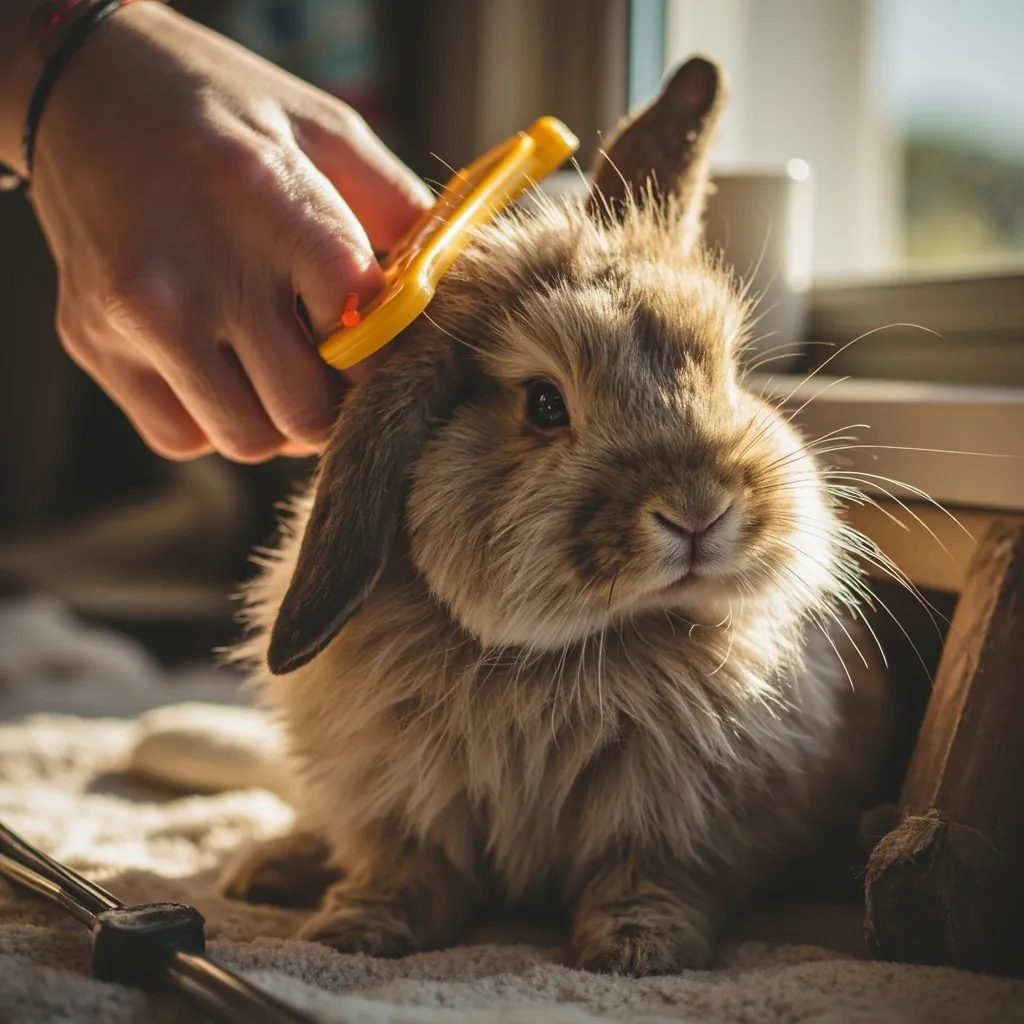
Grooming is one of the most important parts of rabbit care. It keeps your bunny comfortable, helps you catch health problems early, and strengthens the bond between you and your pet. Unlike dogs or cats, rabbits have specific grooming needs shaped by their delicate skin, constantly growing teeth, and love of cleanliness.
The good news is that most rabbits enjoy being groomed — as long as you approach it gently and consistently. This guide covers everything you need to know to keep your rabbit looking and feeling their best.
⚠️ Medical information: This article is for general educational purposes and is not a substitute for professional veterinary care. Always consult a rabbit-savvy veterinarian for health concerns. See our full disclaimer.
Brushing Your Rabbit
Most rabbits benefit from weekly brushing, and during shedding season (typically spring and fall), you may need to brush them several times a week. Shedding can lead to hairballs and digestive blockages if your rabbit ingests too much fur while grooming themselves.
Use a soft bristle brush or a rubber grooming tool for short-haired rabbits. For long-haired breeds like Angoras or Lionheads, a wide-toothed comb works better to prevent matting. Always brush in the direction of the fur growth, and be gentle around the face, belly, and feet — these areas are sensitive.
Nail Trimming
Rabbit nails grow continuously and need to be trimmed every four to six weeks. Overgrown nails can curl, split, or get caught on fabric and flooring, causing injury. Some rabbits also develop sore hocks from nails that are too long.
Use a small animal nail clipper or a human fingernail clipper for this task. Hold your rabbit securely — it helps to have someone gently restrain them while you work. Trim only the tip of the nail, avoiding the quick, which is the pink area where blood vessels run. If you accidentally cut too far, styptic powder can help stop bleeding. Reward your rabbit with a treat after trimming to build positive associations.
Ear Care
Rabbits’ ears are prone to wax buildup and parasites, especially ear mites. Check your rabbit’s ears weekly for any signs of debris, crusting, or unusual discharge. Ears should be clean and pink inside, with no strong odor.
Clean the outer ear gently with a damp cloth if you see light wax buildup. Never insert anything deep into the ear canal. If you notice dark crumbly debris, head tilting, or scratching at the ears, contact your veterinarian — these are signs of ear mites or infection.
Checking Teeth and Eyes
A rabbit’s teeth grow continuously throughout their life, and overgrown teeth are a common problem. During grooming sessions, take a quick look at your rabbit’s front teeth. They should meet evenly and show no signs of overgrowth, misalignment, or drooling.
Healthy teeth are supported by a hay-heavy diet, which naturally wears them down. Check the eyes too — they should be clear and bright with no discharge or cloudiness. Any changes in eating, drooling, or watery eyes deserve a vet visit.
Bathing: When and How
Most rabbits never need a full bath. Rabbits are fastidious groomers and keep themselves very clean. Spot cleaning with a damp cloth is usually enough for dirty fur patches. A full bath can be stressful and even dangerous if your rabbit gets too cold afterward.
If you must bathe your rabbit, use lukewarm water and a rabbit-safe shampoo, keep the water shallow, and dry them completely with a towel. Never use a blow dryer — the noise and heat can harm them. For most situations, a dry bath powder designed for small animals is a safer alternative.
Conclusion
Grooming your rabbit does not have to be a challenge. With regular sessions, gentle handling, and a calm approach, most rabbits come to enjoy the attention. Beyond keeping your bunny looking their best, grooming gives you a chance to spot early signs of health problems, from overgrown teeth to skin irritations. Make it a part of your routine, and both you and your rabbit will benefit.
Keep Your Rabbit Grooming on Track
Print our free Grooming Checklist to stay on top of nail trims, ear checks, and coat care.
Download the Grooming Checklist Browse All Printables
When to Seek Professional Help
While home care can manage many situations, some circumstances require immediate professional veterinary attention. Understanding the difference between what you can handle yourself and what needs a veterinarian is one of the most important skills a rabbit owner can develop.
Contact a rabbit-savvy veterinarian immediately if:
- Your rabbit has stopped eating or drinking entirely
- You notice difficulty breathing or persistent wheezing
- There is visible injury, bleeding, or open wounds
- Your rabbit is unresponsive, severely lethargic, or unable to stand
- You suspect poisoning from a toxic plant or substance
- There has been no fecal output for more than 12 hours
Keep your veterinarian’s contact information and the number of the nearest after-hours emergency rabbit clinic posted somewhere easy to find. A rabbit emergency at 10pm is a terrible time to be searching for a phone number.
Long-Term Management and Prevention
Many rabbit health and behavior issues can be prevented or minimized with consistent daily care. A stable routine, appropriate diet, clean housing, and regular veterinary checkups form the foundation of preventive care. Monitor your rabbit daily for subtle changes — a slightly reduced appetite one day might be nothing, or it might be the first sign of a developing problem.
Keep a log of your rabbit’s normal behavior, droppings, eating patterns, and energy levels. When you know what normal looks like, you will notice deviations much faster. Early detection of problems almost always means simpler, cheaper treatment and better outcomes.
Building a Rabbit-Savvy Care Routine
The best rabbit care is routine-driven and consistent. Feed at the same times each day, clean the enclosure on a regular schedule, and provide fresh water daily. Handle your rabbit gently and consistently to build trust. Spay or neuter to prevent reproductive cancers and reduce problem behaviors. Keep your rabbit’s environment stable — rabbits thrive on predictability.
Invest in quality hay, appropriate housing, and the best veterinary care you can afford. The upfront cost of proper setup and preventive care is far less than treating a preventable illness or emergency.