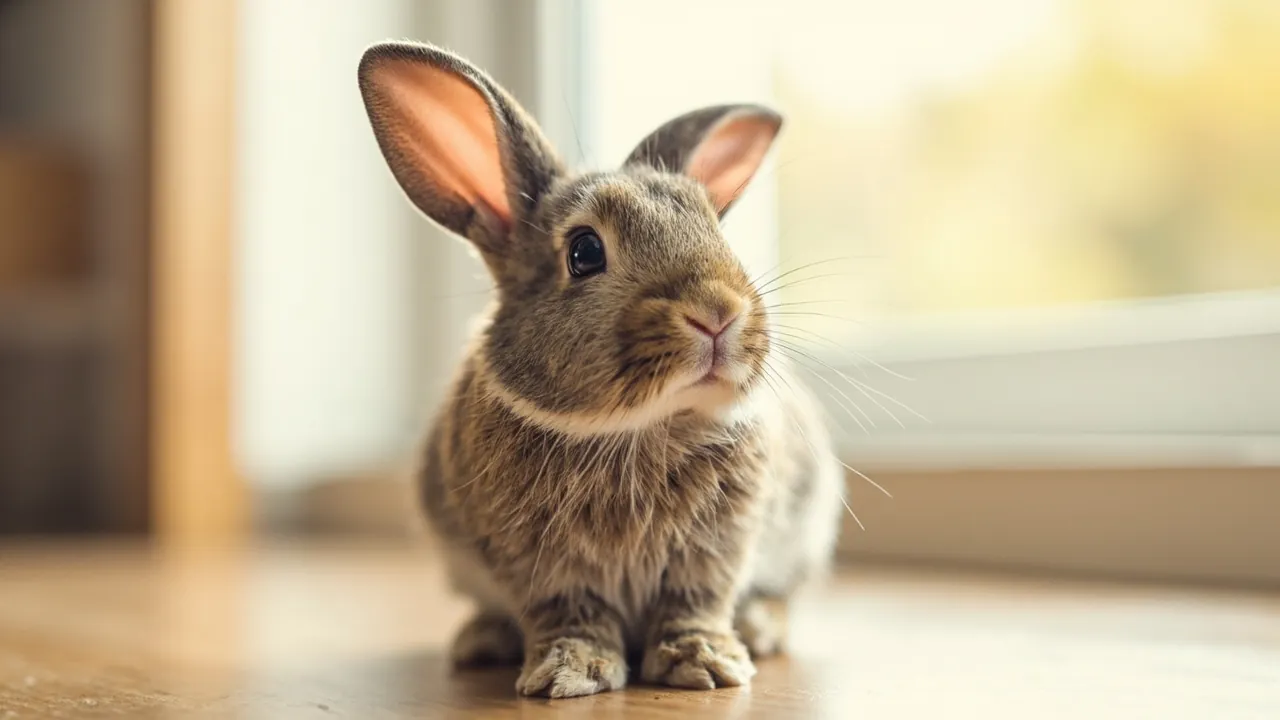
When Pip started tilting her head slightly to one side, I thought she was just being cute. When she started shaking her head more than usual, I told myself it was probably nothing. Three days later she was listing badly to one side and stumbling when she walked. That trip to the vet could have happened a week earlier if I had known what to look for.
Ear infections in rabbits are common, treatable, and — if caught early — straightforward. The problem is that rabbits are very good at hiding the early stages, and by the time symptoms become obvious, the infection has often spread deeper than it needed to. This post is about helping you catch it earlier.
⚠️ Head Tilt or Loss of Balance? Go to the Vet Today Any head tilt, circling, or stumbling in a rabbit is a medical emergency. It can indicate an inner ear infection or E. cuniculi, both of which progress quickly. Do not wait. Call your vet now.
⚠️ Medical information: This article is for general educational purposes and is not a substitute for professional veterinary care. Always consult a rabbit-savvy veterinarian for health concerns. See our full disclaimer.
Types of Ear Infections in Rabbits
Ear infections in rabbits are categorized by which part of the ear is affected. The location matters because it determines symptoms, treatment complexity, and prognosis.
Outer Ear Infections (Otitis Externa)
The outer ear canal is the visible part and the first line of defense. Wax and debris can build up, creating an environment where bacteria or yeast thrive. Outer ear infections are the mildest form and the easiest to treat — but if ignored, they spread inward.
Middle Ear Infections (Otitis Media)
The middle ear is a small air-filled cavity just behind the eardrum. Infection here is sometimes a complication of an outer ear infection that has worked deeper, or it can arise from respiratory tract bacteria that traveled up the Eustachian tube. Symptoms become more pronounced at this stage, and treatment takes longer.
Inner Ear Infections (Otitis Interna)
The inner ear contains the cochlea for hearing and the vestibular system for balance. When infection reaches here, the rabbit’s balance is directly affected. Head tilt, circling, and nystagmus (eyes flicking side to side) are classic signs. Inner ear infections can also affect the facial nerve, causing a droopy face on the affected side.
E. cuniculi: A Special Case
E. cuniculi (Encephalitozoon cuniculi) is a microscopic parasitic organism that targets the kidneys and nervous system in rabbits. One of its hallmark effects is vestibular disease — the rabbit develops head tilt, circling, and loss of coordination as the parasite damages the vestibular apparatus or the surrounding nerves.
Head tilt from E. cuniculi is technically not an infection in the bacterial sense, but it behaves like one clinically and is treated with anti-parasitic medication. The distinction matters because treatment is different from a standard bacterial ear infection.
E. cuniculi is shed in urine and spreads through spore ingestion. It is common in rabbit populations — many rabbits carry it asymptomatically. Outbreaks can occur in shelters or breeding situations where rabbits are in close contact.
Pasteurella and Respiratory Connections
Pasteurella multocida is a bacterium commonly associated with rabbit respiratory infections — the condition often called “snuffles.” The same bacteria can travel up the Eustachian tube and establish infection in the middle ear. Rabbits with chronic respiratory issues are at higher risk for ear infections, which is one more reason to address nasal discharge, sneezing, and breathing problems promptly with your vet.
Signs that pasteurella may be involved include a combination of upper respiratory symptoms (sneezing, nasal discharge, rattling breathing) alongside ear-related symptoms (head tilt, scratching at ears). Your vet may take a culture to identify the specific organism and choose the right antibiotic.
Early Signs: What to Watch For
Rabbits are subtle about early ear discomfort. Here is what to look for, in order from earliest to most advanced:
Early Stage
- Head shaking or tilting slightly to one side
- Scratching at one or both ears more than usual
- Waxy buildup or debris visible in the outer ear canal
- Mild loss of appetite or reluctance to eat hard foods
- Slightly reduced activity or reluctance to hop as far
Moderate Stage
- Noticeable head tilt — the head consistently holds to one side
- Circling in one direction, especially when frightened or excited
- Loss of balance — stumbling, leaning, or falling over
- Eyes flickering side to side (nystagmus)
- Facial droop on one side (facial nerve involvement)
- Ear discharge or a foul smell coming from the ear
Advanced Stage
- Severe head tilt (head nearly at 90 degrees)
- Rolling — the rabbit cannot stay upright and rolls onto their side
- Inability to walk or stand without support
- Complete loss of appetite (this is a medical emergency)
- Head tilt that has persisted for weeks without treatment
The Progression Rule
Rabbits who show early signs and are treated promptly have the best outcomes. If you notice head tilt in any form that lasts more than a day or two, call your vet. Early treatment of inner ear infections can make the difference between full recovery and permanent residual tilt.
What Happens at the Vet
Your vet will do a physical exam that includes looking in the ears with an otoscope. This allows them to see the ear canal and eardrum and check for redness, swelling, discharge, or foreign material. They will also evaluate your rabbit’s balance, eye movements, and overall condition.
If the eardrum is intact and the case is straightforward, your vet may diagnose and treat based on clinical signs alone. In more complex or chronic cases, they may recommend:
- Ear cytology: taking a sample of the discharge to look under the microscope to identify whether the infection is bacterial, fungal, or mixed
- Culture and sensitivity: growing the organism from a swab to identify the exact species of bacteria and which antibiotics it responds to
- Imaging: X-rays can show changes in the middle ear bones; CT scans give a much more detailed picture of the inner ear and are considered the gold standard for chronic or severe ear cases
- Blood work: to evaluate kidney function (especially if E. cuniculi is suspected) and overall health before starting medication
Treatment Options
Antibiotics
Most bacterial ear infections are treated with a course of oral or injectable antibiotics lasting 4–6 weeks. The antibiotic choice depends on the organism identified (or suspected). Common choices include enrofloxacin (Baytril), trimethoprim-sulfa, and sometimes injectable penicillin-type drugs for severe cases. Never use over-the-counter antibiotic ear drops meant for dogs or cats without explicit vet guidance — some contain steroids or ingredients harmful to rabbits.
Anti-Inflammatories
Meloxicam is commonly prescribed to reduce inflammation in the ear canal and to manage pain. Reducing swelling can improve comfort and help restore normal head position more quickly. Steroids are generally avoided in the presence of active infection, but your vet will make the call based on the specific case.
Anti-Parasitics (for E. cuniculi)
If E. cuniculi is the confirmed or suspected cause, treatment involves fenbendazole (Panacur) for 28 days — this drug kills the parasite and prevents it from shedding spores. Supportive care with fluids, assisted feeding, and anti-inflammatories may also be needed.
Home Care During Recovery
Recovery often continues at home after the initial vet visit. Your rabbit may need:
- Assisted feeding if appetite is reduced — use a critical care formula and a syringe
- Supportive positioning — padding around their area so they do not hurt themselves if they stumble or roll
- Regular weighing — weekly at minimum to catch weight loss early
- Keeping the ears clean and dry — gently wipe any visible discharge with a warm, damp cloth as directed by your vet
- Stress reduction — keep the environment calm and consistent while they heal
Recovery Timeline and What to Watch For
Most rabbits begin to show improvement within 3–7 days of starting appropriate treatment. Head tilt often improves gradually over 2–4 weeks as inflammation subsides and the vestibular system recovers. Some rabbits return to completely normal head position; others are left with a mild permanent tilt that does not affect their quality of life.
Watch for:
- Increasing head tilt despite treatment — this may indicate the antibiotic is not effective or the infection is worsening
- New symptoms appearing — rolling, complete incoordination, or refusal to eat are all urgent
- No improvement after 10–14 days — your vet may need to culture the infection or consider imaging
- Relapse after stopping medication — this suggests the infection was not fully cleared and a longer or different course of treatment is needed
Complete the full course of antibiotics even if your rabbit looks better. Stopping early is one of the most common reasons for recurrence and antibiotic resistance in rabbit ear infections.
Head Tilt Therapy and Home Accommodation
Some rabbits are left with permanent head tilt after an inner ear infection or E. cuniculi. This does not automatically mean a poor quality of life — many rabbits with residual tilt adapt completely and live full, happy lives. Here is how to help them:
Environmental Adjustments
- Keep everything at floor level. Place food, water, and litter boxes where your rabbit does not need to climb or stretch to reach them.
- Provide clear, flat surfaces for walking. Avoid slippery floors that increase fall risk.
- Create a padded recovery zone with towels or blankets during the acute phase to cushion falls.
- Reduce vertical space in the enclosure — less climbing means fewer tumbles.
Monitoring and Maintenance
- Weigh your rabbit weekly. Head tilt can make eating harder and cause weight loss.
- Check the ear on the affected side daily for wax buildup or signs of secondary infection.
- Keep the hind end clean — rabbits with head tilt sometimes cannot position themselves properly to eat droppings directly from the ground (cecotropes). You may need to assist by placing cecotropes near their mouth.
Quality of Life Decisions
For some rabbits, head tilt becomes severe and progressive. They may roll uncontrollably, be unable to eat without assistance every day, or experience chronic discomfort. These situations are heartbreaking and require honest conversations with your vet about what fair care looks like.
Questions to work through with your vet and family:
- Can my rabbit eat and drink with reasonable assistance?
- Are they in pain or distress that cannot be adequately managed?
- Do they still engage with their environment, seek attention, or show interest in food?
- Is the condition improving, stable, or worsening?
Rabbits are prey animals and evolved to mask suffering — this makes quality of life assessments challenging. Your vet can help you interpret subtle behavioral signs. When in doubt, it is better to have the conversation earlier rather than later.
Prevention Through Husbandry
Not all ear infections are preventable, but you can reduce the risk significantly:
- Address respiratory issues promptly. Snuffles, sneezing, and nasal discharge that persist for more than a few days deserve a vet visit. The same bacteria causing respiratory symptoms can travel to the ears.
- Keep living areas clean and dry. Damp, soiled bedding creates an environment where bacteria thrive.
- Feed a high-fiber, varied diet to support immune function. A rabbit in good overall health fights off infections better.
- Handle rabbits gently to avoid trauma to the ear area.
- Keep up with annual vet checks that include ear examinations, especially for senior rabbits.
Frequently Asked Questions
{faqs.map(faq => (
{faq.q} {faq.a}
))}
Ready to Dive Deeper?
Print our free Rabbit Emergency Kit Checklist to have everything you need on hand.
Download the Checklist Browse All Printables
.lead { font-size: 1.15rem; line-height: 1.7; color: var(—color-brown-editorial); margin-bottom: 1.5rem; }
.section-divider { margin: 2.5rem 0; border: none; border-top: 2px solid var(—color-cream-editorial); }
h2 {
font-size: 1.75rem; margin-bottom: 0.75rem; margin-top: 2rem; }
h3 { color: var(—color-brown-editorial); font-size: 1.15rem; margin-bottom: 0.5rem; margin-top: 1.5rem; font-weight: 600; }
p { color: var(—color-brown-editorial); line-height: 1.75; margin-bottom: 1rem; }
ul, ol { padding-left: 1.5rem; margin-bottom: 1.5rem; }
li { color: var(—color-brown-editorial); line-height: 1.65; margin-bottom: 0.6rem; }
strong { color: var(—color-brown-editorial); }
.warning-banner { background: #fef2f2; border-left: 4px solid #c44; padding: 1rem 1.25rem; border-radius: 0 8px 8px 0; margin: 1.5rem 0; }
.warning-banner strong { color: #c00; font-size: 1.05rem; }
.warning-banner p { margin-bottom: 0; color: #555; }
.key-point { background: var(—color-cream-editorial); border-left: 4px solid var(—color-sage-editorial); padding: 1.25rem 1.5rem; border-radius: 0 10px 10px 0; margin: 2rem 0; }
.key-point h3 {
margin-top: 0; }
.key-point p { margin-bottom: 0; }
.faq-wrapper { margin: 1.5rem 0; display: flex; flex-direction: column; gap: 0.5rem; }
.faq-item { background: white; border: 1px solid var(—color-cream-editorial); border-radius: 10px; overflow: hidden; }
.faq-item summary { padding: 1rem 1.25rem; font-weight: 600; color: var(—color-brown-editorial); cursor: pointer; list-style: none; display: flex; justify-content: space-between; align-items: center; font-size: 0.97rem; line-height: 1.4; }
.faq-item summary::-webkit-details-marker { display: none; }
.faq-item summary::after { content: ”+”; font-size: 1.4rem; font-weight: 400; color: var(—color-sage-editorial); flex-shrink: 0; margin-left: 0.5rem; transition: transform 0.2s ease; }
.faq-item[open] summary::after { transform: rotate(45deg); }
.faq-item p { padding: 0 1.25rem 1rem; margin: 0; font-size: 0.92rem; line-height: 1.7; color: var(—color-warm-gray); }
.faq-item[open] summary { border-bottom: 1px solid var(—color-cream-editorial); }
@media (max-width: 640px) { h2 { font-size: 1.4rem; } .faq-item summary { padding: 0.85rem 1rem; } }
.faq-section details { background: white; border-radius: 10px; margin-bottom: 0.75rem; border: 1px solid var(—color-cream-editorial); overflow: hidden; } .faq-section summary { padding: 1rem 1.25rem; cursor: pointer; font-weight: 600; color: var(—color-brown-editorial); list-style: none; display: flex; justify-content: space-between; align-items: center; font-size: 0.97rem; line-height: 1.4; } .faq-section summary::-webkit-details-marker { display: none; } .faq-section summary::after { content: ”+”; font-size: 1.4rem; font-weight: 400; color: var(—color-sage-editorial); flex-shrink: 0; margin-left: 0.5rem; transition: transform 0.2s ease; } .faq-section details[open] summary::after { transform: rotate(45deg); } .faq-section .faq-answer { padding: 0 1.25rem 1rem; color: var(—color-warm-gray); line-height: 1.7; font-size: 0.92rem; } .faq-section details[open] summary { border-bottom: 1px solid var(—color-cream-editorial); }