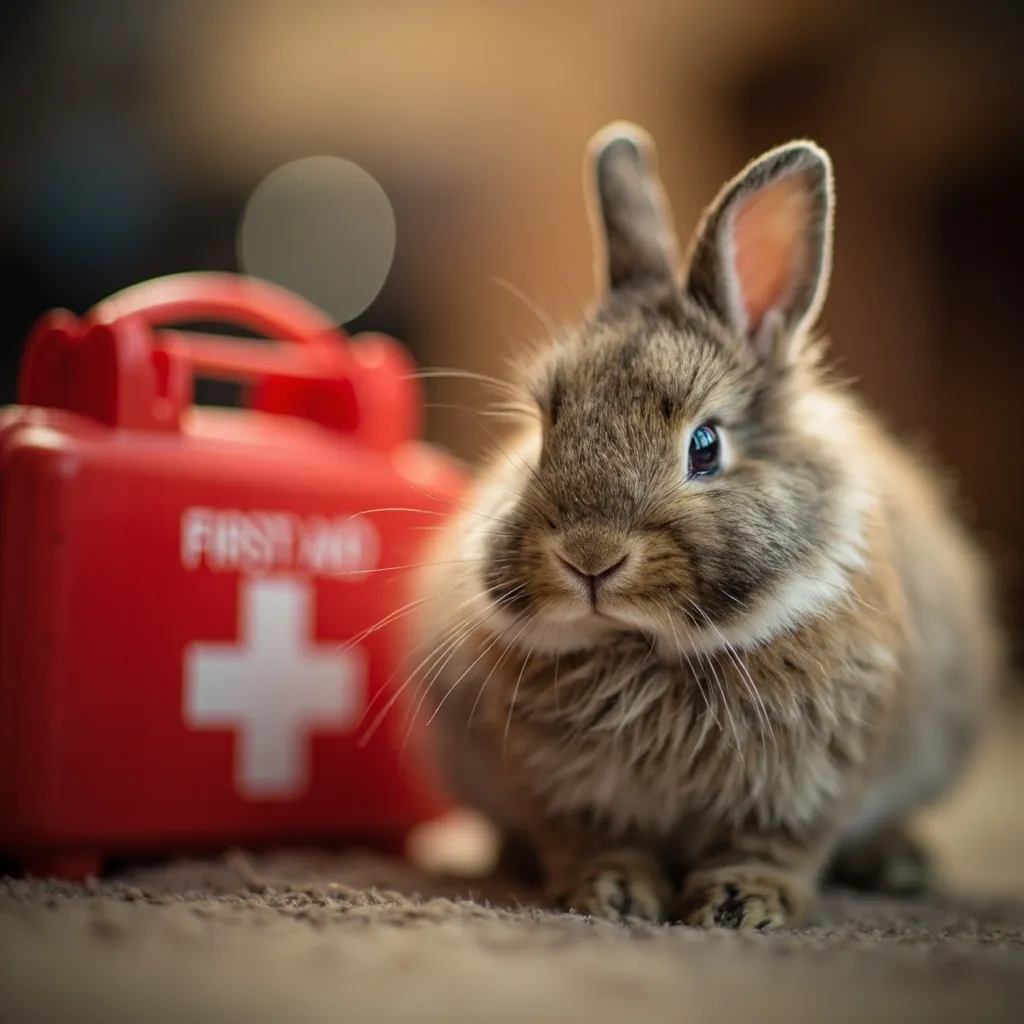
Rabbits are experts at hiding illness. By the time they show obvious signs of being sick, they’ve often been unwell for days. That’s why every rabbit owner should have an emergency kit ready before a crisis happens.
This guide covers what to include in your rabbit emergency kit, why each item matters, and how to use them.
⚠️ Medical information: This article is for general educational purposes and is not a substitute for professional veterinary care. Always consult a rabbit-savvy veterinarian for health concerns. See our full disclaimer.
Why Every Rabbit Owner Needs an Emergency Kit
Rabbits can go downhill fast. GI stasis, dental problems, and respiratory infections can become life-threatening within hours. Having supplies on hand can buy you critical time while you get to a vet—or help you manage a minor issue at home.
An emergency kit isn’t about replacing veterinary care. It’s about being prepared so you’re not scrambling to find supplies while your rabbit is suffering.
Your Rabbit Emergency Kit: The Essentials
First Aid Supplies
- Digital thermometer — Rabbits normal temp is 101-103°F. Below 99°F or above 104°F is an emergency.
- Syringes (1ml, 3ml, 10ml) — For administering Critical Care or medications
- Cotton swabs and gauze — For cleaning wounds
- Styptic powder or cornstarch — For stopping bleeding from nails if you cut too short
- Pedialyte (unflavored) — For hydration support
- Infant gas drops (simethicone) — For gas pain relief (Gas-X or Little Tummys)
- Critical Care powdered formula — Emergency feeding support
- Pet-safe antiseptic (chlorhexidine diluted) — For cleaning minor wounds
Medications to Keep on Hand
- Metacam (meloxicam) — Pain relief (prescription from your vet)
- Trimethoprim-sulfa (Bactrim) — Antibiotic (prescription)
- Reglan (metoclopramide) — For gut motility (prescription)
Important: Never give human medications to rabbits without vet approval. Many are toxic. Ask your exotic vet which medications to keep on hand and get prescriptions before you need them.
Documents & Information
- Your exotic vet’s phone number — Posted prominently
- Nearest 24-hour emergency vet — Call ahead to confirm they see rabbits
- Poison control numbers — ASPCA Animal Poison Control: (888) 426-4435
- List of current medications and dosages — For your rabbit
- Weight log — Sudden weight loss is a warning sign
Comfort Items
- Heating pad (set to low) — Can help a hypothermic rabbit
- Soft towels — For handling a stressed rabbit
- Small carrier — For safe transport
Building Your Kit on a Budget
You don’t need to buy everything at once. Start with the essentials:
- Must-have first: Digital thermometer, syringes, your vet’s number
- Next priority: Critical Care, gas drops, styptic powder
- Later additions: Prescriptions, heating pad, full first aid kit
Syringes: 10–20ml syringes without needles are essential for giving water, baby food, or Critical Care directly into the mouth.
Check expiration dates every 6 months and replace used items promptly.
When to Use Your Emergency Kit
Your emergency kit is for:
- Suspected GI stasis — Use gas drops, encourage eating with Critical Care, keep warm
- Injury — Clean wounds, stop bleeding, contain your rabbit
- Sudden lethargy — Check temperature, note symptoms, call the vet
- Not eating — Offer Critical Care while arranging vet care
📋 Download our Rabbit Emergency Kit Checklist to print and keep in your kit.
Print Your Own Emergency Kit Checklist
Download and print our Rabbit Emergency Kit Checklist to keep in your kit. Fill in your vet’s contact info and post it where everyone can see.
Printable checklists turn good intentions into real preparedness. Put one on your fridge, one in your kit, and one in your car.
Know Your Nearest Emergency Vet Before You Need One
Before an emergency happens:
- Find the nearest 24-hour exotic/animal emergency vet
- Call to confirm they treat rabbits (not all do)
- Add them to your phone and post near your kit
- Know the estimated drive time
Having to find a vet while stressed and dealing with a sick rabbit is a recipe for bad decisions. Do the research now.
The Bottom Line
Rabbits are fragile in ways that aren’t always visible. An emergency kit won’t fix everything—but it means you’re not starting from zero when something goes wrong.
Get the essentials together, print the checklist, know where you’re going in a crisis, and you’ll be ready to give your rabbit the best chance at recovery.
Want more preparedness resources? Check out our Rabbit Health Checklist for weekly health monitoring and our Emergency Vets directory.
Ready to Dive Deeper?
Print our free Rabbit Emergency Kit Checklist to have everything you need on hand before a crisis happens.
Download the Checklist Browse All Printables
When to Seek Professional Help
While home care can manage many situations, some circumstances require immediate professional veterinary attention. Understanding the difference between what you can handle yourself and what needs a veterinarian is one of the most important skills a rabbit owner can develop.
Contact a rabbit-savvy veterinarian immediately if:
- Your rabbit has stopped eating or drinking entirely
- You notice difficulty breathing or persistent wheezing
- There is visible injury, bleeding, or open wounds
- Your rabbit is unresponsive, severely lethargic, or unable to stand
- You suspect poisoning from a toxic plant or substance
- There has been no fecal output for more than 12 hours
Keep your veterinarian’s contact information and the number of the nearest after-hours emergency rabbit clinic posted somewhere easy to find. A rabbit emergency at 10pm is a terrible time to be searching for a phone number.
Long-Term Management and Prevention
Many rabbit health and behavior issues can be prevented or minimized with consistent daily care. A stable routine, appropriate diet, clean housing, and regular veterinary checkups form the foundation of preventive care. Monitor your rabbit daily for subtle changes — a slightly reduced appetite one day might be nothing, or it might be the first sign of a developing problem.
Keep a log of your rabbit’s normal behavior, droppings, eating patterns, and energy levels. When you know what normal looks like, you will notice deviations much faster. Early detection of problems almost always means simpler, cheaper treatment and better outcomes.
Building a Rabbit-Savvy Care Routine
The best rabbit care is routine-driven and consistent. Feed at the same times each day, clean the enclosure on a regular schedule, and provide fresh water daily. Handle your rabbit gently and consistently to build trust. Spay or neuter to prevent reproductive cancers and reduce problem behaviors. Keep your rabbit’s environment stable — rabbits thrive on predictability.
Invest in quality hay, appropriate housing, and the best veterinary care you can afford. The upfront cost of proper setup and preventive care is far less than treating a preventable illness or emergency.
When to Seek Professional Help
While home care can manage many situations, some circumstances require immediate professional veterinary attention. Understanding the difference between what you can handle yourself and what needs a veterinarian is one of the most important skills a rabbit owner can develop.
Contact a rabbit-savvy veterinarian immediately if:
- Your rabbit has stopped eating or drinking entirely
- You notice difficulty breathing or persistent wheezing
- There is visible injury, bleeding, or open wounds
- Your rabbit is unresponsive, severely lethargic, or unable to stand
- You suspect poisoning from a toxic plant or substance
- There has been no fecal output for more than 12 hours
Keep your veterinarian’s contact information and the number of the nearest after-hours emergency rabbit clinic posted somewhere easy to find. A rabbit emergency at 10pm is a terrible time to be searching for a phone number.
Long-Term Management and Prevention
Many rabbit health and behavior issues can be prevented or minimized with consistent daily care. A stable routine, appropriate diet, clean housing, and regular veterinary checkups form the foundation of preventive care. Monitor your rabbit daily for subtle changes — a slightly reduced appetite one day might be nothing, or it might be the first sign of a developing problem.
Keep a log of your rabbit’s normal behavior, droppings, eating patterns, and energy levels. When you know what normal looks like, you will notice deviations much faster. Early detection of problems almost always means simpler, cheaper treatment and better outcomes.
Building a Rabbit-Savvy Care Routine
Invest in quality hay, appropriate housing, and the best veterinary care you can afford. The upfront cost of proper setup and preventive care is far less than treating a preventable illness or emergency.