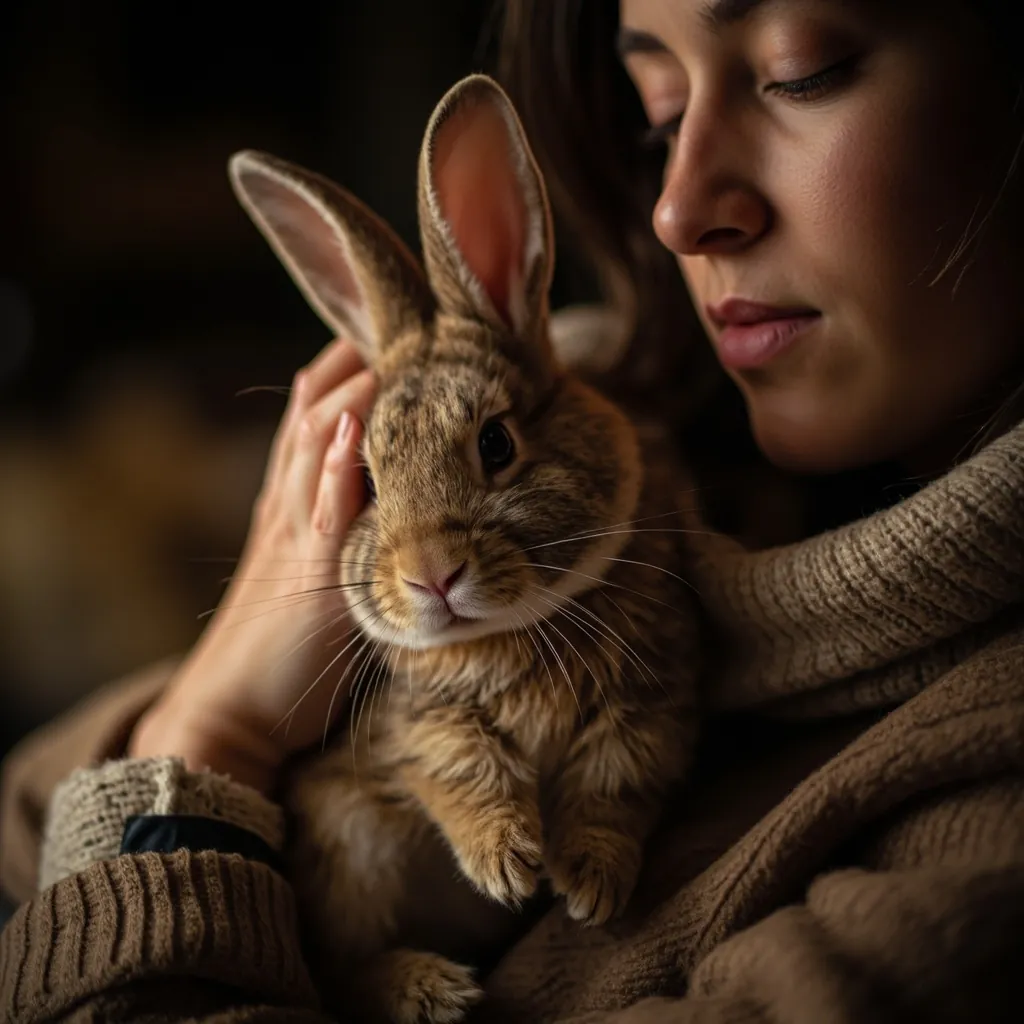
When is a rabbit considered a senior? Most rabbits reach senior status around 5 to 6 years of age, though some larger breeds may age slightly earlier. Just like humans, rabbits slow down as they grow older. Their joints stiffen, their senses sharpen or dim, and their bodies require different care than they did in their energetic youth.
This guide brings together everything you need to know about caring for an aging rabbit. Think of it as your home base — a hub you can return to as your rabbit's needs evolve. From here you can dive deep into any specific topic, whether that is arthritis management, dietary adjustments, or making end-of-life decisions with compassion and clarity.
⚠️ Medical information: This article is for general educational purposes and is not a substitute for professional veterinary care. Always consult a rabbit-savvy veterinarian for health concerns. See our full disclaimer.
What to Expect as Your Rabbit Ages
Rabbity aging is gradual. You may not notice the shift from adult to senior care — it happens in small increments. One day your rabbit is zooming around the living room, and a year or two later you realize they are moving more carefully, grooming less thoroughly, and favoring softer foods.
The most common changes in senior rabbits include:
- Reduced mobility — stiffness, reluctance to jump, slower movement
- Weight changes — either weight gain from reduced activity or weight loss from dental issues or decreased appetite
- Dulling of the senses — vision and hearing may decline
- Changes in grooming — less flexibility means harder-to-reach spots are neglected
- Behavioral shifts — more time resting, less interest in play, increased sensitivity to change
None of these changes are reasons to panic. They are reasons to adapt. Senior rabbits can live full, comfortable lives for years with the right adjustments to their environment, diet, and care routine.
Pro tip: Start senior-proofing your home before you see obvious signs of aging. Adding ramps, non-slip flooring, and low-sided litter boxes early makes the transition easier for both of you.
Section 1: Mobility and Arthritis
Mobility decline is one of the first and most noticeable changes in senior rabbits. Arthritis is extremely common — studies suggest up to 75% of rabbits over age 5 show some degree of joint degeneration.
Arthritis in rabbits is progressive and incurable, but it is highly manageable. The key is early recognition and consistent accommodation.
Signs of Mobility Problems
- Reluctance to hop, jump, or climb
- Sitting with feet stretched out flat instead of tucked
- Difficulty getting up from rest
- Reduced grooming, especially on the back half
- Missing the litter box or avoiding it due to difficult entry
- Overgrown nails from reduced activity
Read our full arthritis guide for detailed signs, treatment options, home modifications, and pain management strategies. That article goes deep on everything from veterinary medications to litter box adjustments — it is the definitive resource for senior rabbit mobility issues.
Quick Mobility Checklist
- Add ramps or low steps to favorite spots
- Cover slippery floors with yoga mats or fleece
- Lower food and water to accessible heights
- Provide orthopedic bedding for joint support
- Schedule a vet checkup if you see any mobility changes
Section 2: Diet Changes for Senior Rabbits
Senior rabbits often need dietary adjustments to maintain healthy weight, support aging joints, and accommodate changing digestion.
Weight Management
Reduced activity means fewer calories burned. Monitor your rabbit's weight weekly and adjust portions accordingly. You should be able to feel the ribs but not see them. An overweight rabbit puts extra stress on already-stiff joints. An underweight rabbit may have dental problems, organ issues, or pain that is suppressing appetite.
Pellets and Hay
Continue offering unlimited hay — this should never change. Timothy-based pellets in moderation are appropriate for most senior rabbits. If your rabbit is losing weight, your vet may recommend alfalfa-based pellets or a calorie supplement. If your rabbit is gaining too much, reduce pellets slightly while maintaining hay intake.
Softer Foods and Leafy Greens
As rabbits age, some struggle to chew tougher greens and vegetables. Transition gradually toward softer options:
- Easier greens: romaine lettuce, butter lettuce, cilantro, parsley, mint
- Soft vegetables: zucchini, peeled cucumber, steamed sweet potato (small amounts)
- Avoid: iceberg lettuce (low nutrition, can cause loose stools), large amounts of kale or spinach (high calcium, can cause bladder issues)
Supplements for Senior Rabbits
Some supplements may benefit aging rabbits. Always discuss with your rabbit-savvy vet before adding anything new:
- Glucosamine and chondroitin — may support joint cartilage
- Omega-3 fatty acids — anti-inflammatory properties
- Papaya or pineapple enzymes — sometimes used to help with hairball digestion (controversial; evidence is mixed)
- Probiotics — may support digestive health in aging guts
Hydration matters: Senior rabbits sometimes drink less, leading to digestive issues. Offer water in both a bowl and a bottle. Add watery vegetables like cucumber to their diet. Dehydration in rabbits can quickly become serious.
Section 3: Vision and Hearing Loss
Rabbity senses do not disappear all at once. Vision loss is usually gradual, and many rabbits adapt remarkably well to seeing less or nothing at all.
Caring for a Blind Rabbit
- Keep furniture and layout consistent — rabbits memorize their environment
- Avoid startling them — announce your presence with a gentle voice before touching
- Use textured rugs or mats to help them orient different areas
- Do not allow other pets to startle or chase them
- Blind rabbits can still thrive — they use scent, sound, and spatial memory to navigate
Caring for a Deaf Rabbit
- Use hand signals or visual cues instead of voice commands
- Approach from their line of sight, not from behind
- Use gentle physical cues, like a soft touch on the shoulder or back
- Flash lights on and off to get attention if needed
- Deaf rabbits rely heavily on vibration — stomp gently when entering the room
Some senior rabbits develop cataracts or other eye conditions. If you notice cloudiness in the eyes, excessive tearing, or bumping into objects, see your vet. Cataracts itself is not painful, but the underlying cause (such as diabetes) may need treatment.
Section 4: Quality of Life Assessment
One of the most important things you can do for your senior rabbit is honestly evaluate their quality of life on a regular basis. This is not morbid — it is how you know whether the care you are providing is working.
Use these questions as a regular check-in:
- Is my rabbit still interested in eating and drinking?
- Can my rabbit move around enough to do basic things without distress?
- Is my rabbit engaged with their surroundings, their people, and their routine?
- Is pain being adequately managed with medication and home modifications?
- Are the good days outnumbering the difficult ones?
If you find yourself answering "no" to several of these questions, it is time to have a candid conversation with your rabbit-savvy vet about where things are heading and what options remain.
Our arthritis guide includes a more detailed quality of life assessment with specific signs to watch for as arthritis progresses.
Section 5: End-of-Life and Euthanasia
This section is hard to read and hard to write. But avoiding it does not protect your rabbit — it only leaves you unprepared.
Rabbits hide pain brilliantly. By the time most owners realize something is seriously wrong, their rabbit has often been struggling for longer than they realized. This is why regular quality of life check-ins matter. They keep you honest with yourself.
When to Consider Euthanasia
- Your rabbit can no longer eat or drink, even with assistance
- Your rabbit is in pain that medication and modifications cannot adequately address
- Your rabbit has stopped engaging with food, people, and their environment entirely
- Your rabbit is having more bad days than good days
- Your vet has given you a poor prognosis with no reasonable treatment options left
You do not have to wait until your rabbit is actively dying. Choosing comfort over longevity before suffering becomes overwhelming is a valid, compassionate decision. Many rabbit-savvy veterinarians offer at-home euthanasia so your rabbit can pass peacefully in familiar surroundings.
Grief Support
Losing a rabbit is real grief. The House Rabbit Society offers pet loss support resources at rabbit.org. Allow yourself to mourn. Your rabbit was a family member, not a lesser pet.
Note: Our grief support guide is in development and will be linked here once published.
Section 6: Products for Aging Rabbits
The right products can significantly improve comfort for senior rabbits without requiring major lifestyle changes. Here are the categories worth investing in:
Mobility and Comfort
- Low-sided litter boxes — makes getting in and out much easier on stiff joints
- Orthopedic memory foam beds — cushioning for aging joints and spines
- Ramps with non-slip surfaces — gentler than steps for rabbits who struggle to jump
- Yoga mats and fleece blankets — covers slippery floors throughout the house
- Heated pads (non-electric, microwaveable) — warmth soothes stiff joints; use only under supervision
Dining and Hydration
- Heavy ceramic water bowls — easier to drink from than bottles for rabbits with neck stiffness
- Shallow food dishes — easier access than deep bowls
- Raised feeding stations — bring food to a comfortable height if your rabbit struggles to reach the floor
Grooming and Hygiene
- Soft bristle brushes — senior rabbits may need help grooming areas they can no longer reach
- Gentle eye wipes — for rabbits with eye discharge or tear staining
- Nail clippers — senior rabbit nails grow faster than they wear down; trim monthly or as needed
See our full list of recommended senior rabbit care products for specific recommendations and links.
Printables for Senior Rabbit Care
Download these free printable tools to stay on top of your senior rabbit's health:
- Senior Rabbit Health Checklist — track symptoms, vet visits, and daily observations in one place
- Medication Log — record dosages, schedules, and responses to treatments
- Emergency Care Checklist — know when to call the vet and what to have on hand
Final Thoughts
Senior rabbit care is not about mourning what your rabbit used to be. It is about meeting the rabbit they are now — with patience, adaptation, and the same love you have always given them.
The adjustments are not as daunting as they might seem. Small changes to your rabbit's environment and routine can make an enormous difference in their comfort. And the rewards of seeing an older rabbit thrive — binkying occasionally, demanding pets, nesting in their favorite spot — are just as real as they ever were.
Your rabbit got you through good years. You can get them through the harder ones.
Start today: Download the Senior Rabbit Health Checklist and use it to assess where your rabbit is right now. You might be surprised how much you can improve with a few simple changes.
Stay Organized With Our Free Printables
Track your senior rabbit's health, medications, and vet visits with our printable checklists and logs.