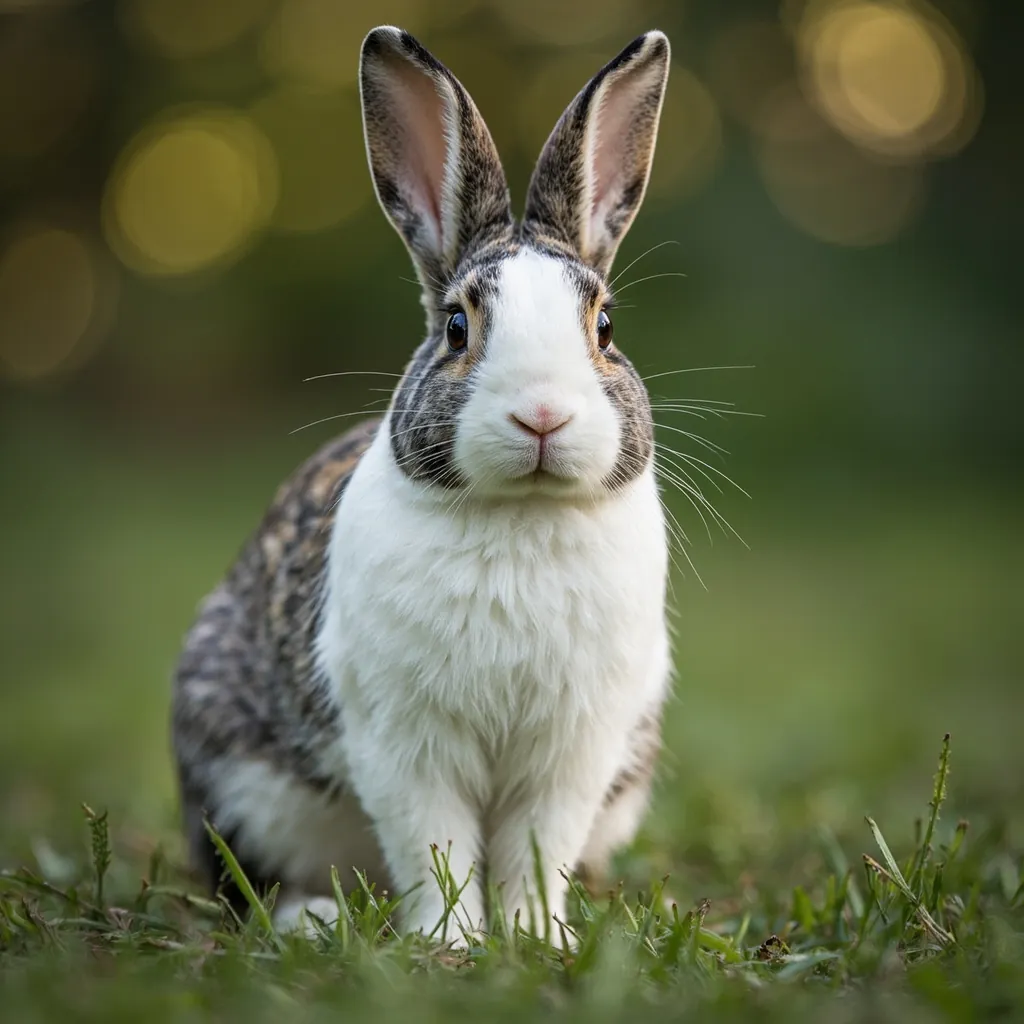
Few rabbit breeds are as instantly recognizable as the Dutch rabbit. With its bold black and white markings—a white blaze up the face, a white saddle across the middle, and white feet—the Dutch rabbit looks like it was designed by a careful artist. But this is no modern creation. The Dutch rabbit is one of the oldest domestic breeds in the world, and its iconic look has been turning heads for centuries.
History and Origins
The Dutch rabbit originated in the Netherlands in the 19th century, though its exact origins are debated. The breed was developed from a variety of small white rabbits and became popular in England and across Europe in the 1800s. It was one of the first breeds to be selectively bred for specific markings, which makes its consistency today all the more remarkable.
By the early 20th century, the Dutch rabbit had spread to the United States and quickly became a favorite among rabbit breeders and show enthusiasts. It remains one of the most popular breeds globally, prized both for its distinctive appearance and its pleasant temperament. The breed is also sometimes called the "Holland Rabbit," particularly in European contexts, though "Dutch" remains the standard name in the United States.
Appearance: The Iconic Markings
The Dutch rabbit is a small to medium-sized breed, typically weighing between 4 and 5.5 pounds. Its body is compact, rounded, and well-muscled—the breed's original purpose was meat production, and that heritage shows in its solid build.
What makes the Dutch rabbit unmistakable is its color pattern:
- A white blaze running up the center of the face
- White hind feet (and often front feet)
- A white strip around the middle of the body—the "saddle"
- The remainder of the body is black, blue, chocolate, or gray
The contrast between the white markings and the colored body is meant to be sharp and distinct. In show rabbits, any smudging or blending between the colors is considered a fault. The ideal Dutch has clean lines with no intermediate shades between white and color.
The head is rounded with full cheeks, and the ears are upright, relatively short, and well-furred. The eyes are bold and expressive, and the overall impression is one of a neat, tidy, well-proportioned rabbit.
Personality: Calm, Alert, and Approachable
Dutch rabbits have a reputation for being calm and friendly, which makes them excellent choices for families and first-time owners. They are not skittish by nature like some breeds can be, and they generally tolerate handling well. They are curious and will investigate new things, but they are not high-strung.
That said, Dutch rabbits have minds of their own. They are intelligent and can be a bit stubborn when they decide they don't want to do something. This is not a rabbit that will simply accept whatever you want without negotiation. They respond well to positive reinforcement training and can learn tricks, litter training, and even obstacle courses with patience and consistency.
The Dutch rabbit tends to be social and enjoys interacting with its owners. They often greet their humans at the enclosure door, and many enjoy being petted and will flop contentedly when they are comfortable. Some Dutch rabbits are more independent than cuddly, preferring to be near you rather than on you, but individual personality varies.
Are Dutch Rabbits Good for Beginners?
Yes. The Dutch rabbit's calm temperament, manageable size, and friendly disposition make it an excellent choice for someone new to rabbits. They are forgiving of the learning curve that comes with rabbit ownership and generally adapt well to new situations.
On the practical side, the Dutch rabbit's short coat is easy to groom, their size makes housing manageable, and their food intake is moderate. They do well in both indoor and outdoor housing, though indoor living with daily exercise is ideal for any rabbit, including the Dutch.
Finding a Dutch Rabbit
Dutch rabbits are widely available through breeders, as they are a popular breed. You can also find them through rabbit rescues and occasionally in shelters. Show breeders often have pet-quality rabbits available at lower prices than show-quality ones—pet-quality simply means the rabbit doesn't quite meet the exacting marking standards for the show ring, but it will be just as wonderful as a companion.
When evaluating a breeder, ask about the parent rabbits' temperaments, observe how the kits interact with people, and ask about any health issues in the bloodline. A good breeder will be happy to answer questions and will want to ensure their rabbits go to appropriate homes.
The Dutch Rabbit Today
Today, the Dutch rabbit remains one of the most popular breeds in the world. It is a staple at rabbit shows, where its markings are judged to exacting standards. But it is equally at home as a beloved pet, where its friendly personality and striking appearance make it a favorite.
If you want a rabbit with history, personality, and good looks that will turn heads at the park, the Dutch rabbit deserves serious consideration. They are not just a pretty face—they are smart, social, and deeply rewarding companions when given the care and attention they deserve.
Living with a Dutch — Day to Day
Every rabbit breed has its own character, and living with a Dutch means adapting your home and routine to match. These rabbits thrive on consistency — predictable feeding times, a stable environment, and regular interaction build trust and confidence over time.
Most Dutchs are adaptable to both indoor and outdoor housing, though indoor housing is strongly recommended. Rabbits housed indoors live longer, are safer from predators and weather, and tend to be more socialized and trusting. If your Dutch will have outdoor time, ensure the enclosure is predator-proof, shaded, and protected from extreme temperatures.
Finding a Veterinarian
Dutchs should see a rabbit-savvy exotic veterinarian at least once a year for a wellness exam — more often for young rabbits, senior rabbits, or any time you notice behavioral or health changes. Not all exotic vets have extensive rabbit experience, so ask about their rabbit case history before booking. Find a rabbit-savvy vet near you using our vet finder directory.
Is the Dutch Right for You?
Before bringing home any rabbit, consider whether the breed's energy level, care needs, and personality fit your lifestyle. Dutchs can make wonderful companions for the right owners.
A Dutch may be right for you if:
- You have enough space for a properly sized enclosure and daily exercise area
- You can provide daily interaction and socialization
- You're committed to a 8-12 year commitment
- You understand and can afford ongoing veterinary care
- Your household is calm and consistent — rabbits are sensitive to loud noise and disruption
A Dutch may not be the best fit if:
- You have very young children who may handle roughly or startle easily
- You're away from home frequently or for long periods
- You're looking for a lap pet that tolerates extensive handling — rabbits are not cats
- You cannot afford proper housing, food, and veterinary care
If a Dutch sounds like the right fit, the next step is finding a reputable breeder or checking local rabbit rescues. Many rabbits of this breed end up in shelters because owners underestimate the commitment. Adopting is a wonderful option that gives a rabbit a second chance at a loving home.