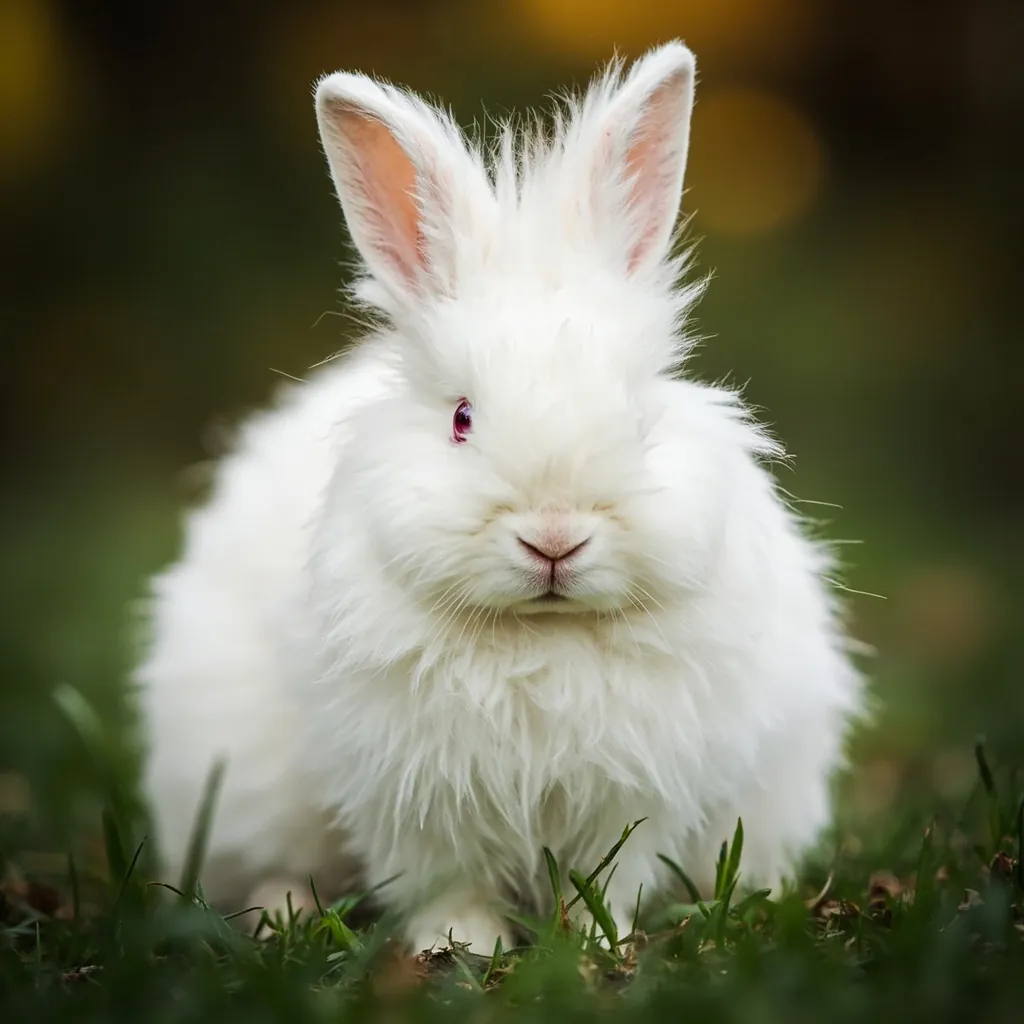
The Reality of English Angora Care
Before you fall in love with those googly eyes hidden beneath a curtain of wool, let's have an honest conversation. English Angoras are high-maintenance. Not impossibly so — but you need to know what you're signing up for. The primary maintenance task is coat care, and it's not optional. A neglected English Angora can develop severe matting that leads to skin infections, mobility issues, and genuine suffering.
I'm not telling you this to scare you off. I'm telling you so you can plan accordingly. If you go in with eyes open, you'll be equipped to keep your Angora happy, healthy, and ridiculously photogenic.
Grooming: Your Primary Responsibility
The Tools You'll Need
Successful English Angora grooming requires the right equipment. Here's your basic kit:
- A quality slicker brush with fine, closely-spaced wires
- A wide-toothed metal comb
- Small, sharp scissors for trimming problem areas
- A grooming table or non-slip surface for safe sessions
- Corn starch (for dry cleaning and mat prevention)
- Puppy nail clippers or a small pet nail trimmer
Brushing Frequency
Plan to brush your English Angora at least three to four times per week. During heavy shedding seasons (typically spring and fall), daily brushing may be necessary. Each session should take 15-30 minutes depending on coat condition and how thoroughly you work through the entire animal.
Start at the bottom and work up — literally. Begin with the feet and legs, then move to the body, and save the face and ears for last. Rabbits can be surprisingly patient with grooming if you work methodically and don't rush.
The Matting Problem
English Angora wool mats close to the skin, and once mats form, they're difficult to remove without causing discomfort. The solution is prevention through consistent brushing. If you find a mat, work it apart gently with your fingers before using the slicker brush. For stubborn mats near the skin, a quick trim with scissors — carefully! — is better than yanking.
Pay special attention to the "armpits," the area around the base of the tail, and the belly — these are the spots where mats form first and most severely.
Flying Fur Management
English Angoras produce a tremendous amount of loose wool. You'll find it on your clothes, in your food, on your furniture. This is normal. Accept it. Some owners find that a damp橡皮 brush (rubber brush) or rubber grooming mitt helps capture loose fur before it becomes airborne.
Diet: Fueling the Fluff
English Angoras have the same basic dietary needs as all rabbits, but their dense coat requires consistent nutrition to maintain hair quality and skin health.
Hay: The Foundation
Grass hay should make up approximately 80% of your English Angora's diet. Timothy hay is the standard choice for most adult rabbits. Orchard grass is an excellent alternative or supplement, especially for picky eaters. Avoid alfalfa hay for adult rabbits unless specifically recommended by your vet — it's too high in calcium and protein for maintenance feeding.
Offer unlimited hay. Your Angora should have access to it at all times. Rabbits are grazing animals, and a constant supply of fiber keeps their digestive system functioning properly.
Fresh Greens
Feed one to two cups of fresh leafy greens daily. Good choices include:
- Romaine lettuce (not iceberg — it has minimal nutritional value)
- cilantro
- parsley
- bok choy
- carrot tops
- spring mix greens
- basil
Rotate greens to provide variety and ensure your rabbit gets a range of nutrients. Introduce new greens gradually to avoid digestive upset.
Pellets
Quality rabbit pellets can supplement the diet, but they should not be the primary food source. Choose a timothy-based pellet with no added seeds, nuts, or colorful bits. For an adult English Angora, one-quarter to one-half cup per day is typically sufficient. Young rabbits, pregnant, or nursing rabbits have higher caloric needs and may require more.
Hydration
Always ensure fresh, clean water is available. English Angoras can be prone to urinary issues, and adequate water intake helps prevent bladder sludge and kidney problems. Change water daily and clean the bottle or bowl regularly.
Housing: Inside Is Best
English Angoras are indoor rabbits. Their magnificent coats are not designed for outdoor life — they mat easily, collect debris, and can harbor parasites. Additionally, predators are a real danger, and Angoras, being relatively slow and conspicuous, are vulnerable.
Space Requirements
Your Angora needs at minimum 4 times their body length in enclosure space. A single-level enclosure of approximately 36 inches by 24 inches is a reasonable minimum, but bigger is always better. Many owners use large dog exercise pens (often called "x-pens") configured into spacious setups.
The enclosure should have a solid bottom — no wire floors. English Angora feet are susceptible to sore hocks, and wire can cause injury and contribute to matting on the lower legs.
Bedding
Avoid cedar and pine shavings — the aromatic oils can cause respiratory and liver problems. Paper-based bedding, aspen shavings, or hay can serve as appropriate flooring. Many owners use fleece blankets or mats as a base layer with hay on top. Whatever you choose, it should be absorbent, easy to clean, and safe.
Spot-clean the enclosure daily. Do a full bedding change at least weekly, or more frequently if needed.
Exercise and Enrichment
English Angoras need daily exercise outside their enclosure — at least 3-4 hours in a bunny-proofed space. Their wool can drag through their own waste during exercise, so some owners put a little bunny apron or belly wrap on their Angora during playtime to protect the coat. This is optional but can reduce cleaning needs significantly.
Provide enrichment: cardboard castles, willow tunnels, hay puzzles, and safe chew toys. English Angoras are intelligent and benefit from mental stimulation as much as physical exercise.
Bonding With Your English Angora
English Angoras tend to be calm and enjoy human interaction, but building trust takes time. Here are tips for developing a strong relationship:
Let Them Come to You
Sit on the floor at your rabbit's level and let them investigate you on their own terms. Avoid chasing, grabbing, or cornering your Angora. Let them set the pace for the first few weeks. Bribery with herbs (dried basil is irresistible to most rabbits) accelerates the process considerably.
Respect Boundaries
Some English Angoras are cuddly; others prefer to be near you rather than on you. Observe your rabbit's body language. A relaxed, sprawled-out rabbit is comfortable. A tense, crouched, or thumping rabbit is signaling that they need space.
Grooming as Bonding
Ironically, the very task that might seem like a chore can become a bonding ritual. If you handle your English Angora gently and consistently during grooming sessions, they come to associate touch with care. Many Angora owners find their rabbits actually enjoy being brushed once acclimated.
Temperature Sensitivity
English Angoras are sensitive to heat. Their dense wool makes them prone to overheating in temperatures above 75°F (24°C). Keep them in a climate-controlled space during hot months. Signs of overheating include panting, lethargy, and warm ears. Never place your Angora in direct sunlight or a hot room.
In winter, they're more comfortable than many breeds due to their coat, but avoid placing them in drafty areas or rooms that get significantly colder than the rest of the house.
Final Thoughts
Caring for an English Angora is a commitment, but it's a deeply rewarding one. These rabbits have extraordinary personalities and form strong bonds with their owners. The grooming routine, which might seem daunting at first, becomes a meditative practice for many owners — a dedicated time each week to connect with their animal.
Do your research, gather your supplies, and prepare your home before bringing your English Angora home. Set yourself up for success. Your future fluffy companion is counting on you to be the responsible one.
Socialization and Bonding
Building a trusting relationship with your English Angora takes time and patience, but the reward is a rabbit who actively seeks your company. Start by sitting quietly near your rabbit's enclosure without making direct eye contact — rabbits find sustained eye contact threatening. Let your rabbit come to you.
Offer treats from your hand to create positive associations. Once your rabbit is comfortable with hand-feeding, try gentle stroking behind the ears and on the forehead. Avoid picking up your rabbit unless necessary — most rabbits find being lifted stressful, and improper lifting can cause injury to both rabbit and owner.
If you have other pets, introduce them gradually and always under supervision. Dogs and cats should be taught that the rabbit is not prey. Never leave a English Angora unsupervised with other animals, no matter how well you think they get along.
Enrichment and Mental Stimulation
English Angoras are intelligent animals who need mental stimulation to stay happy and healthy. Boredom can lead to destructive behaviors, over-grooming, and even depression. Rotate toys regularly to keep things interesting — a toy that has been in the enclosure for weeks will generate less interest than one that appears fresh.
Safe enrichment options include:
- Untreated willow balls and tunnels
- Cardboard boxes filled with hay
- Apple wood or willow chew sticks for dental health
- Platforms and hiding spots at different heights
- Paper bags filled with herbs for foraging
- Puzzle feeders that make rabbits work for treats
Digging boxes — a shallow tray filled with shredded paper or hay — satisfy a natural digging instinct without destroying your home. Rotate enrichment items every few days to maintain novelty.
Seasonal Care Considerations
English Angoras are sensitive to temperature extremes. Keep their environment between 60-70°F (15-21°C) as much as possible. In hot weather, provide ceramic tiles to lie on, frozen water bottles wrapped in a towel, and ensure ventilation without drafts. In cold weather, provide extra bedding and ensure the enclosure is draft-free — rabbits are more tolerant of cold than heat, but frostbite and hypothermia are real risks.
Grooming frequency may increase during spring and fall shedding seasons. Monitor coat condition more closely during these periods and brush more often to prevent hairballs.
Signs Your English Angora Is Thriving
A healthy, happy English Angora is curious and alert when awake, interested in their environment, and eager to interact with you. Their coat is glossy and clean, their eyes are bright, and they are eating, drinking, and producing normal droppings consistently.
Behavioral signs of a content rabbit include binkying (joyful leaps in the air), flopping onto their side, and relaxed grooming. A English Angora who regularly comes to the front of their enclosure when you approach is showing positive association and trust.
If you notice any sudden changes — hiding more than usual, refusing food, producing fewer droppings, or appearing lethargic — contact a rabbit-savvy veterinarian promptly. Rabbits hide illness well, and any visible sign of distress usually means the problem has been developing for some time.