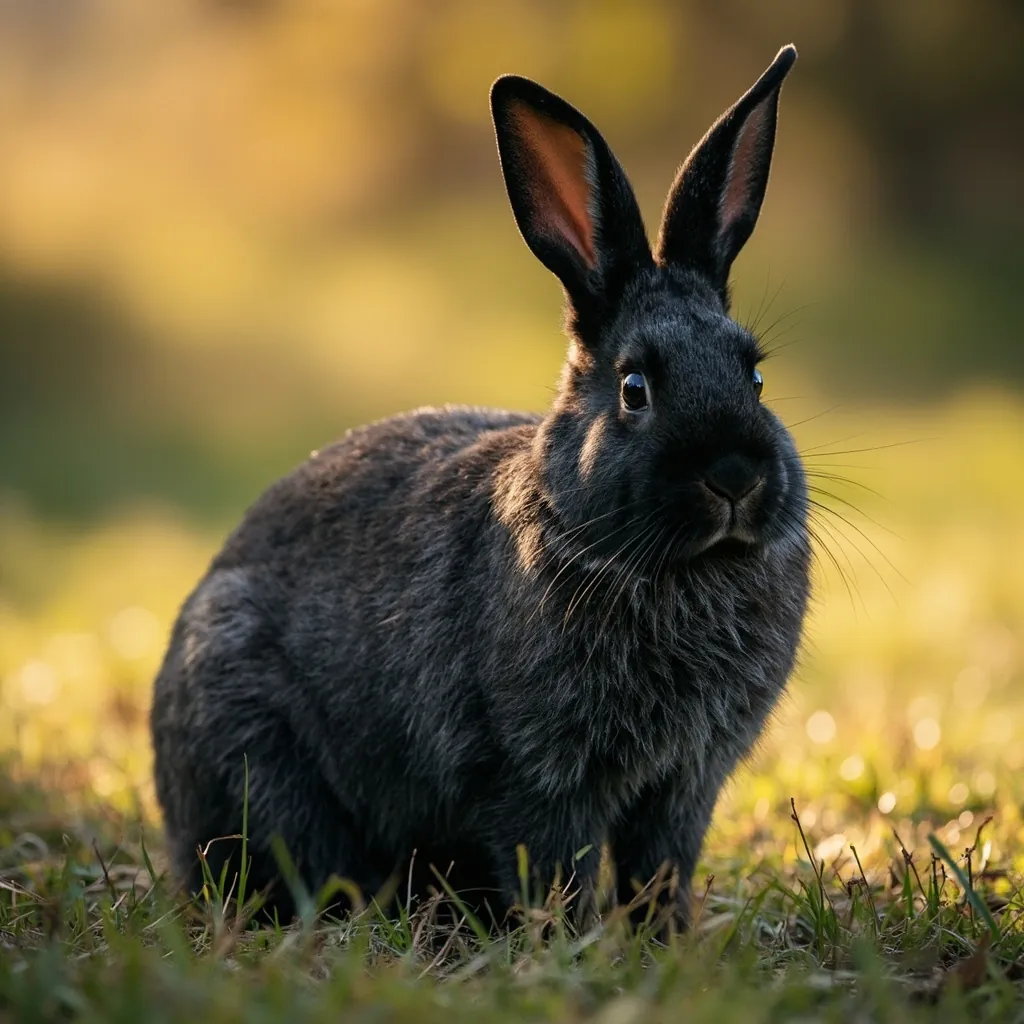
Owning a Flemish Giant is a commitment unlike any other in the rabbit world. These are large, powerful animals that require more space, more food, and more physical handling than smaller breeds. But for owners who are prepared, the rewards are significant. Here is everything you need to know to care for your Flemish Giant properly.
⚠️ Medical information: This article is for general educational purposes and is not a substitute for professional veterinary care. Always consult a rabbit-savvy veterinarian for health concerns. See our full disclaimer.
Housing Your Flemish Giant
The first thing to understand about Flemish Giant housing is that standard rabbit cages are not designed for a 15-pound rabbit. Your Flemish Giant needs a large, sturdy enclosure that accommodates their impressive length. A minimum of 24 by 48 inches is a starting point, but more space is always better. Many Flemish Giant owners use custom-built enclosures, large dog kennels, or multi-level structures designed for big dogs.
The enclosure must be strong. Flemish Giants are powerful and can damage flimsy cages by leaning against the walls or pushing through weak sections. Reinforced wire (14-gauge or heavier) works well for the sides, and the floor must be solid. Wire floors cause severe sore hocks on rabbits this size and weight. A solid plastic or metal tray floor covered with paper-based bedding works well.
The floor must support the rabbit's weight without flexing. If the floor bends under the rabbit's weight, it can cause foot and leg injuries. Some owners use plywood or rigid plastic panels covered with fleece or other soft bedding material.
Provide a sturdy hiding spot. Even though Flemish Giants are calm, they still appreciate a covered space where they can retreat and feel secure. A large wooden house or a custom hideaway works well.
Feeding a Large Breed
Flemish Giants have significantly higher food needs than smaller breeds. The foundation of their diet is, as with all rabbits, grass hay. Unlimited timothy hay, orchard grass, or meadow hay should be available at all times. Hay provides the fiber needed for proper digestion and helps wear down teeth.
Because of their size, Flemish Giants need more pellets than smaller breeds. For an adult Flemish Giant, one-quarter to one-half pound of timothy-based pellets per day is not unusual, though the exact amount depends on the rabbit's weight and activity level. Alfalfa-based pellets are acceptable for young kits but are too rich for most adult Flemish Giants.
Fresh leafy greens should be offered daily. Because of the Flemish Giant's size, they can handle larger portions than smaller breeds. One to two cups per day is a good starting point, though you can adjust based on your rabbit's weight and how they tolerate the greens. As with any rabbit, introduce new greens one at a time and watch for digestive upset.
Fresh water must always be available. Because of their size, Flemish Giants drink more water than smaller breeds. A large ceramic bowl is preferable to a bottle, as it allows them to drink more naturally and in larger amounts. Change the water daily and clean the bowl regularly.
Grooming Needs
Flemish Giants have short, dense coats that are relatively low-maintenance compared to long-haired breeds. A weekly brushing with a slicker brush or rubber grooming tool is usually sufficient to remove loose fur and distribute skin oils. During heavy shedding seasons in spring and fall, brush more frequently to prevent hairball formation.
Nail trimming is more challenging with a Flemish Giant than with a small breed. Their nails are larger and thicker, requiring a sturdy pair of nail clippers designed for large rabbits or small cats. Trim every four to six weeks, being careful to avoid the quick.
Ears should be checked weekly for wax buildup, discharge, or signs of infection. Clean the outer ear with a damp cloth if needed. Flemish Giants have large ears that can accumulate debris, so regular checks are important.
Flemish Giants do not need baths. Their short coats and regular self-grooming usually keep them clean. If something gets into the fur, spot-clean with a damp cloth.
Exercise and Space Requirements
Flemish Giants are not as energetic as smaller breeds, but they still need daily exercise to stay healthy. They should have access to at least a few hours of supervised free-roam time outside their enclosure every day. This is especially important because their large size means they are more prone to weight gain, which puts additional stress on their joints and organs.
Rabbit-proof the space carefully. Flemish Giants are strong and curious, and they can reach things smaller rabbits cannot. Cover all electrical cords, remove toxic plants, and block access to any areas where the rabbit could get stuck or injured. Supervision is essential even in a rabbit-proofed space.
Toys are still important for mental stimulation. Flemish Giants are intelligent and enjoy exploring, chewing, and manipulating objects. Apple wood sticks, large willow balls, sturdy cardboard structures, and untreated wood all make good toys for a large rabbit.
Because of their size, Flemish Giants need more time to warm up before they are ready for sustained play than smaller breeds. Let them move at their own pace and avoid situations where they feel pressured or forced to move quickly, as this can lead to injury.
Handling: Safety for You and Your Rabbit
Handling a Flemish Giant requires more care than handling a small rabbit. A 15-pound rabbit cannot be scooped up with one hand. Before picking up your Flemish Giant, make sure you are in a stable position and that you have the strength to support the rabbit safely.
To pick up a Flemish Giant, slide one hand under the chest and the other hand under the hindquarters to support the entire body. Lift with your legs, not your back. Hold the rabbit close to your body to help them feel secure. Never pick up a Flemish Giant by the ears, scruff, or legs alone.
Young children should not handle Flemish Giants without adult supervision. The combination of the rabbit's weight and strength can lead to injuries if the rabbit wriggles or jumps unexpectedly. Even a calm Flemish Giant can injure a child if dropped.
If you have physical limitations that prevent you from safely lifting 15 or more pounds, consider whether a Flemish Giant is the right breed for you. There is no shame in admitting this; the welfare of both the rabbit and the handler must be considered.
Spaying and Neutering
All Flemish Giants should be spayed or neutered. Spayed females have a dramatically reduced risk of uterine cancer, which is common in unspayed does. Neutered males are typically calmer and easier to manage, which is especially important given the breed's size.
The ideal age for the procedure is between four and six months for most Flemish Giants. Recovery is usually straightforward, though the larger size of the rabbit may require a slightly longer period of restricted activity after surgery. Your veterinarian should have experience with large breed rabbits.
Health Considerations
Flemish Giants are generally healthy, but their size makes them prone to certain issues. Joint problems, including arthritis, are more common in older Flemish Giants due to the stress their weight places on their skeleton. Keeping your rabbit at a healthy weight helps reduce this stress.
Spine problems can occur if a Flemish Giant falls or is dropped, as their large size makes them more vulnerable to back injuries. Always support the rabbit's body fully when handling them, and never allow them to jump from high surfaces.
Watch for signs of illness just as you would with any rabbit. Changes in appetite, droppings, energy level, or behavior should be addressed promptly. Because Flemish Giants are calm by nature, a sudden change in energy or a reluctance to move can be easy to miss if you are not paying attention. Know what is normal for your rabbit so you can recognize when something is off.
Your Flemish Giant will depend on you for everything, from food and space to handling and medical care. In return, you will have a loyal, gentle companion that is unlike any other rabbit breed in the world.
Socialization and Bonding
Building a trusting relationship with your Flemish Giant takes time and patience, but the reward is a rabbit who actively seeks your company. Start by sitting quietly near your rabbit's enclosure without making direct eye contact — rabbits find sustained eye contact threatening. Let your rabbit come to you.
Offer treats from your hand to create positive associations. Once your rabbit is comfortable with hand-feeding, try gentle stroking behind the ears and on the forehead. Avoid picking up your rabbit unless necessary — most rabbits find being lifted stressful, and improper lifting can cause injury to both rabbit and owner.
If you have other pets, introduce them gradually and always under supervision. Dogs and cats should be taught that the rabbit is not prey. Never leave a Flemish Giant unsupervised with other animals, no matter how well you think they get along.
Enrichment and Mental Stimulation
Flemish Giants are intelligent animals who need mental stimulation to stay happy and healthy. Boredom can lead to destructive behaviors, over-grooming, and even depression. Rotate toys regularly to keep things interesting — a toy that has been in the enclosure for weeks will generate less interest than one that appears fresh.
Safe enrichment options include:
- Untreated willow balls and tunnels
- Cardboard boxes filled with hay
- Apple wood or willow chew sticks for dental health
- Platforms and hiding spots at different heights
- Paper bags filled with herbs for foraging
- Puzzle feeders that make rabbits work for treats
Digging boxes — a shallow tray filled with shredded paper or hay — satisfy a natural digging instinct without destroying your home. Rotate enrichment items every few days to maintain novelty.
Seasonal Care Considerations
Flemish Giants are sensitive to temperature extremes. Keep their environment between 60-70°F (15-21°C) as much as possible. In hot weather, provide ceramic tiles to lie on, frozen water bottles wrapped in a towel, and ensure ventilation without drafts. In cold weather, provide extra bedding and ensure the enclosure is draft-free — rabbits are more tolerant of cold than heat, but frostbite and hypothermia are real risks.
Grooming frequency may increase during spring and fall shedding seasons. Monitor coat condition more closely during these periods and brush more often to prevent hairballs.
Signs Your Flemish Giant Is Thriving
A healthy, happy Flemish Giant is curious and alert when awake, interested in their environment, and eager to interact with you. Their coat is glossy and clean, their eyes are bright, and they are eating, drinking, and producing normal droppings consistently.
Behavioral signs of a content rabbit include binkying (joyful leaps in the air), flopping onto their side, and relaxed grooming. A Flemish Giant who regularly comes to the front of their enclosure when you approach is showing positive association and trust.
If you notice any sudden changes — hiding more than usual, refusing food, producing fewer droppings, or appearing lethargic — contact a rabbit-savvy veterinarian promptly. Rabbits hide illness well, and any visible sign of distress usually means the problem has been developing for some time.