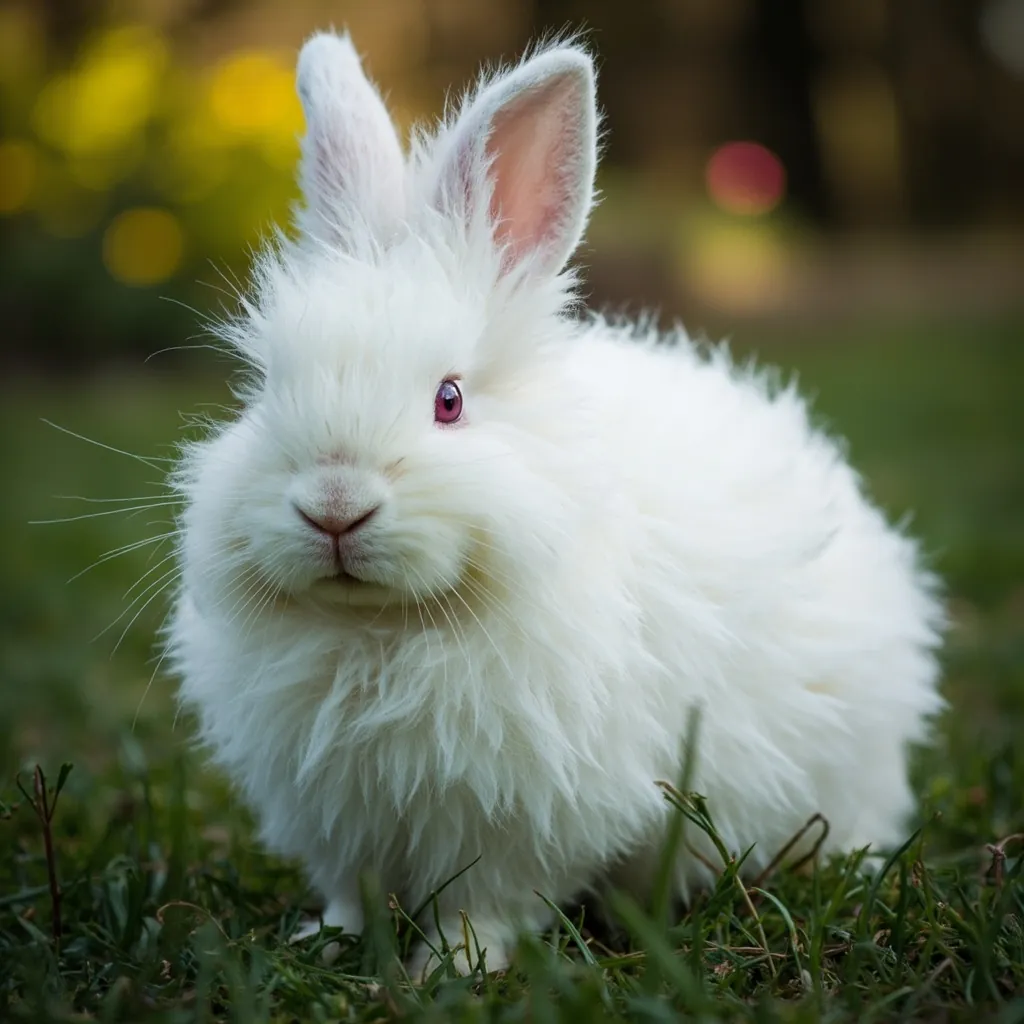
Introduction to the French Angora
Stepping into the world of the French Angora feels like discovering a gentle giant in the rabbit world. While not as heavily furnished as its English cousin, the French Angora makes its own statement — a more refined, streamlined elegance that appeals to many rabbit enthusiasts who want an Angora experience without quite the extreme grooming demands.
The French Angora weighs more than the English — typically 8 to 10.5 pounds at maturity, sometimes heavier. This is a substantial rabbit, giving it a dignified presence that smaller breeds lack. Despite its size, the French Angora moves with surprising grace.
History and Origins
The French Angora shares ancestry with the English Angora, both descending from the Angora rabbits exported from Turkey to Europe in the 1700s. However, the French variety developed distinctly in France, where breeders focused on producing a larger, more utilitarian rabbit with valuable wool production.
Where the English Angora was refined into a compact, heavily-furred show rabbit, the French Angora remained a practical fiber animal — larger, with wool that was easier to harvest and process. French shepherds and craftspeople valued the breed for its consistent wool production, which could be shorn or plucked and spun into durable, warm yarn.
The breed made its way to American rabbit shows in the early 20th century and has since maintained a dedicated following among both fiber artists and companion animal enthusiasts.
Appearance and Physical Traits
The French Angora presents differently than the English. Its wool is denser on the body and particularly prominent on the hindquarters and flanks — giving it a "skirted" appearance — while the face and ears remain relatively clean with only light furnishings. This makes the face more visible and expressive, a feature many owners appreciate.
The coat itself has a different texture than English Angora wool. French Angora wool is described as "satin" or "flyback" — it springs back into place when stroked and has a slightly softer hand. It mats less easily than English Angora wool, though still requires regular maintenance.
Color varieties in French Angoras include white, agouti, self colors, pointed white, and more. White is perhaps the most common in show contexts, but colored French Angoras are just as lovable and are seen frequently in pet homes.
Personality and Temperament
French Angoras are typically calm, patient rabbits. Their larger size translates to a more laid-back demeanor — they don't startle as easily as smaller breeds, and many seem genuinely to enjoy being handled, provided handling is done correctly and respectfully.
They tend to be docile and tolerant, making them good candidates for families with older children or first-time rabbit owners willing to learn proper care. They are not hyper or demanding; they appreciate routine and respond well to consistent, gentle interaction.
Like all rabbits, individual personalities vary. Some French Angoras are curious and active; others lean toward the couch potato end of the spectrum. Both are valid and both are charming.
Are You the Right Owner for a French Angora?
The French Angora suits an owner who wants a medium-maintenance Angora experience. The grooming demands are real but somewhat more manageable than with an English Angora. You should be prepared for weekly brushing, more frequent sessions during shedding season, and the inevitable presence of wool fibers throughout your home.
These rabbits are large enough to need more space than small breeds, but they don't require the apartment-sized enclosures that giant breeds demand. A comfortable, spacious setup with daily exercise will keep a French Angora happy.
If you're interested in fiber arts — spinning, weaving, needle felting — a French Angora can be both a beloved pet and a practical wool source. The breed produces substantial quantities of wool that can be harvested every few months without stress to the animal.
Living Situation
French Angoras are indoor rabbits. Their dense coats are not suited for outdoor life, where they can become matted, dirty, and infested with parasites. Additionally, their calm nature makes them vulnerable to predators if kept outside.
An indoor enclosure should provide enough room for your French Angora to stretch out comfortably and stand on hind legs without restriction. Many owners use large exercise pens configured for easy cleaning and rabbit-safe flooring.
Final Thoughts
The French Angora occupies a sweet spot in the Angora world — plenty of wool for those who appreciate the breed's fiber-producing heritage, but with a coat that's somewhat more forgiving than the English variety. Their larger size and patient temperament make them excellent companions for owners willing to accommodate their moderate grooming needs.
If you're seeking a rabbit with presence, a calm demeanor, and beautiful wool without the extreme commitment of daily grooming, the French Angora deserves a close look.
Living with a French Angora — Day to Day
Every rabbit breed has its own character, and living with a French Angora means adapting your home and routine to match. These rabbits thrive on consistency — predictable feeding times, a stable environment, and regular interaction build trust and confidence over time.
Most French Angoras are adaptable to both indoor and outdoor housing, though indoor housing is strongly recommended. Rabbits housed indoors live longer, are safer from predators and weather, and tend to be more socialized and trusting. If your French Angora will have outdoor time, ensure the enclosure is predator-proof, shaded, and protected from extreme temperatures.
Finding a Veterinarian
French Angoras should see a rabbit-savvy exotic veterinarian at least once a year for a wellness exam — more often for young rabbits, senior rabbits, or any time you notice behavioral or health changes. Not all exotic vets have extensive rabbit experience, so ask about their rabbit case history before booking. Find a rabbit-savvy vet near you using our vet finder directory.
Is the French Angora Right for You?
Before bringing home any rabbit, consider whether the breed's energy level, care needs, and personality fit your lifestyle. French Angoras can make wonderful companions for the right owners.
A French Angora may be right for you if:
- You have enough space for a properly sized enclosure and daily exercise area
- You can provide daily interaction and socialization
- You're committed to a 8-12 year commitment
- You understand and can afford ongoing veterinary care
- Your household is calm and consistent — rabbits are sensitive to loud noise and disruption
A French Angora may not be the best fit if:
- You have very young children who may handle roughly or startle easily
- You're away from home frequently or for long periods
- You're looking for a lap pet that tolerates extensive handling — rabbits are not cats
- You cannot afford proper housing, food, and veterinary care
If a French Angora sounds like the right fit, the next step is finding a reputable breeder or checking local rabbit rescues. Many rabbits of this breed end up in shelters because owners underestimate the commitment. Adopting is a wonderful option that gives a rabbit a second chance at a loving home.