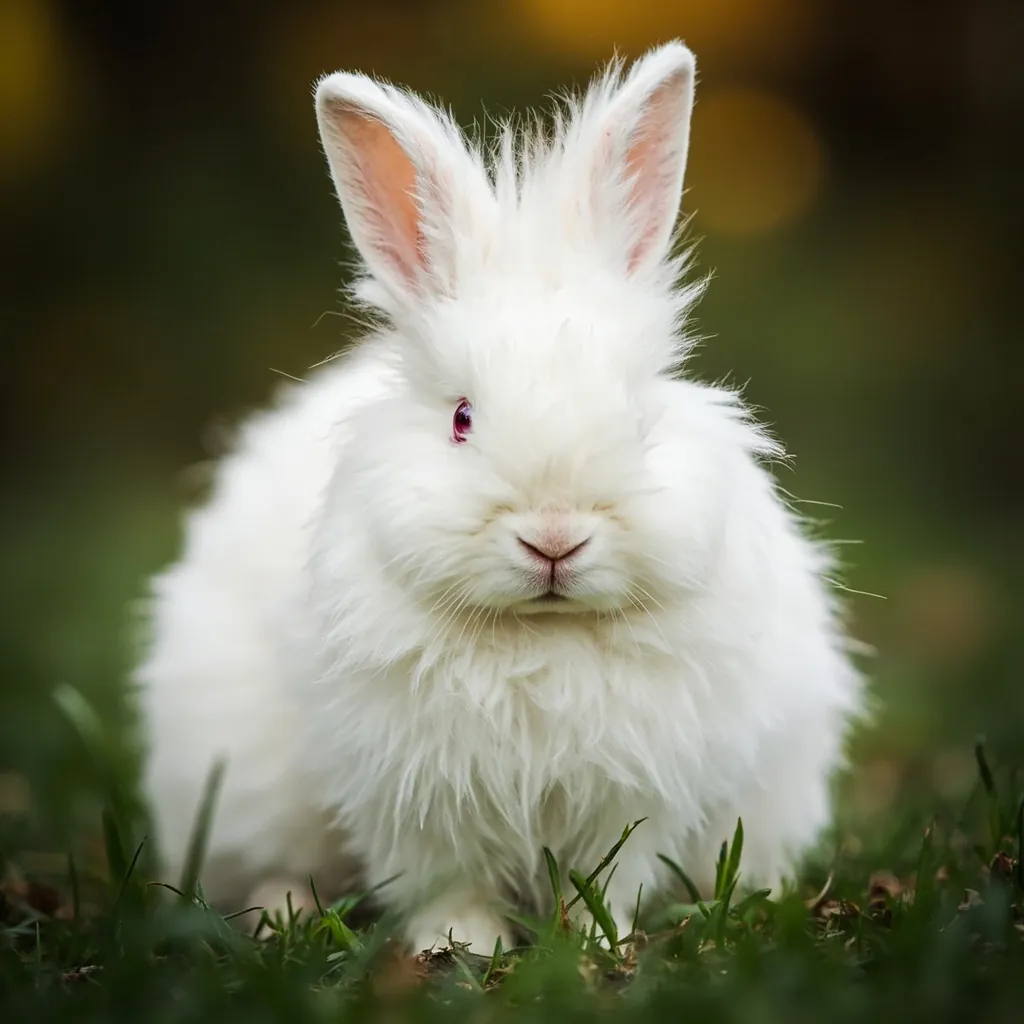
What Makes French Angora Care Different
The French Angora is less demanding than the English Angora when it comes to coat maintenance, but don't make the mistake of thinking it's a low-maintenance breed. It isn't. What you get with the French Angora is a more forgiving coat texture that mats more slowly and is easier to manage — but the grooming requirements remain significant, and the care principles are different from those for a short-haired rabbit.
This guide will walk you through everything you need to keep your French Angora healthy, comfortable, and looking its best.
Grooming: The Weekly Commitment
Understanding the French Angora Coat
The French Angora's wool is concentrated on the body — particularly the hindquarters and flanks — while the face, ears, and front legs remain relatively clean. This means you're dealing with a substantial wool mass on the body that requires attention, but you won't be fighting daily mats on the face and feet like you would with an English Angora.
The wool has a "flyback" quality — it springs back when brushed, somewhat resistant to matting compared to matte wool. This makes sessions more efficient, but it also means loose wool can scatter more easily, becoming airborne and landing on every surface in your home.
Grooming Tools
- A slicker brush with fine wires — medium size for this larger rabbit
- A wide-toothed metal comb
- Sharp scissors for targeted trimming
- A grooming table or non-slip floor surface
- Rubber curry comb or grooming mitt for loosening dead undercoat
- Corn starch for dry cleaning and minor mat prevention
Brushing Schedule
Plan on brushing your French Angora at least twice per week under normal conditions. During seasonal sheds — typically spring and fall — increase to every other day or daily. Each brushing session should take 20-30 minutes, working through the entire coat systematically.
Start at the rear and work forward, parting the wool to check the undercoat. Look for any mats forming near the skin, especially in the "skirt" area where the wool is heaviest. Pay attention to the flanks, the area behind the front legs, and the lower back.
Managing Mats
Unlike the English Angora, mats in a French Angora coat tend to form more slowly. When you find one, work it apart gently with your fingers before using the slicker brush. Don't yank — you can tear the wool and hurt the rabbit. For persistent mats, carefully snip them out with scissors, holding the skin taut to avoid cutting your rabbit.
The Wool Harvest
French Angoras produce significant quantities of wool that can be harvested every 60-90 days. Depending on your plans, you can collect this wool for spinning, felting, or other crafts. A "pluck" (gently pulling loose wool) can be done when the coat is in peak condition; otherwise, regular brushing captures the loose fur and keeps the coat in good shape.
Diet: Fueling a Larger Rabbit
French Angoras are medium-large rabbits with appetites to match. They require a balanced diet to maintain their health and support their coat production. The foundation is the same as all rabbits — grass hay — but the quantities and supplemental feeding need to scale accordingly.
Hay: Unlimited Access
Timothy hay should be available at all times. An adult French Angora will consume roughly one ounce of hay per pound of body weight daily — so a 9-pound French Angora might eat nearly a full ounce of hay every day, plus other foods. That's a substantial amount of hay, and it should always be fresh, dry, and free of mold.
Orchard grass, meadow hay, and oat hay are good alternatives or supplements to timothy. Some owners rotate through different hays to provide variety.
Fresh Greens
Feed one to two cups of leafy greens daily per French Angora. Since these rabbits are larger than dwarfs and mini breeds, they can typically handle larger servings of greens — but always introduce new greens gradually.
Safe options include:
- Romaine and leaf lettuces
- cilantro and parsley
- bok choy and Napa cabbage
- carrot tops and beet greens
- spring mix and arugula (in moderation)
- basil and mint
Avoid iceberg lettuce entirely. Limit high-oxalate greens like spinach to small amounts a few times per week.
Pellets
Quality timothy-based pellets can be fed at one-quarter to one-half cup daily for adult French Angoras. Choose pellets without seeds, nuts, or colored bits — these are unnecessary and can be harmful. Younger rabbits, pregnant rabbits, and nursing mothers have higher nutritional needs and may require more pellets or a specially formulated feed.
Hydration
Ensure constant access to fresh water. French Angoras are large enough that a water bottle alone may not provide sufficient hydration — many owners use both a bottle and a heavy ceramic bowl. Change water daily and clean containers regularly to prevent bacterial growth.
Housing: Space for Substance
French Angoras need more space than smaller breeds. A cramped enclosure leads to pressure sores, muscle atrophy, and behavioral problems. Plan for an enclosure at least 36 inches long, though 48 inches or larger is better for an adult of this size.
Enclosure Setup
- Solid-bottom flooring — never wire
- Aspen or paper-based bedding (avoid cedar and pine)
- Spacious enough for the rabbit to stretch out fully
- Room for a hay rack, water, and a litter area
- Easy to clean and disinfect
Many owners in apartments use large exercise pens (4 feet by 4 feet or larger) as primary living space, with the rabbit having access to the full bunny-proofed room for exercise.
Litter Training
French Angoras, like most rabbits, can be litter trained with patience. Place a litter box in the corner of the enclosure where your rabbit naturally tends to eliminate. Use hay in the litter box — rabbits often eat and poop simultaneously, and hay in the box encourages correct behavior.
Temperature Considerations
French Angoras have dense coats and are sensitive to heat. Keep them in climate-controlled spaces where temperatures stay below 75°F (24°C). In warmer months, ensure air conditioning and avoid direct sunlight. Signs of overheating include panting, lethargy, and ears that feel hot to the touch.
Exercise and Enrichment
Plan for at least 3-4 hours of exercise daily outside the enclosure. French Angoras are calm but need space to stretch their legs, explore, and engage in natural behaviors like digging, chewing, and binkying.
Bunny-Proofing
Before giving your French Angora free run of a room, bunny-proof thoroughly. This means:
- Covering or concealing all electrical cords
- Removing or protecting baseboards and furniture legs
- Keeping books, papers, and other chewable items out of reach
- Blocking access to under furniture where the rabbit could get stuck
- Covering carpet edges if your rabbit shows interest in digging
Enrichment Ideas
Keep your French Angora mentally stimulated with:
- Cardboard castles and tunnels
- Willow or apple wood chew sticks
- Hay stuffed into paper bags or cardboard tubes
- Wooden puzzle feeders
- Rotating toys to prevent boredom
Bonding With Your French Angora
French Angoras tend to be calm and tolerant, which can translate to relatively straightforward bonding if you approach it correctly.
Building Trust
Start by sitting on the floor near your rabbit's enclosure and letting them notice you. Offer a small piece of herb — dried basil or mint is usually irresistible — through the cage bars. Let your rabbit associate you with something positive.
When your rabbit seems comfortable with your presence, open the enclosure and let them approach you on their own. Avoid reaching for them, grabbing them, or moving quickly. Let the relationship develop at the rabbit's pace.
Handling
When you need to pick up your French Angora, support the hindquarters fully — never lift by the scruff or just the front legs. These are large rabbits and improper lifting can cause injury to the rabbit and the handler. Place one hand under the chest, the other under the hindquarters, and lift close to your body to provide security.
Patience Rewarded
Many French Angora owners report that their rabbits develop strong bonds with them over time — following them around the room, asking for attention, and becoming genuinely affectionate companions. This doesn't happen overnight, but consistent, gentle interaction over weeks and months builds genuine trust.
Final Thoughts
French Angora care is a weekly commitment that pays dividends in the form of a beautiful, healthy, content rabbit. The grooming is manageable for most owners willing to learn the technique, and the diet and housing requirements are straightforward once you've set up a proper routine.
These rabbits are rewarding companions for owners who appreciate their woolly charm and are willing to invest the time. If you're prepared to brush twice a week, provide proper diet and housing, and give your rabbit daily exercise and interaction, the French Angora will reward you with years of gentle companionship.