⚠️ Medical information: This article is for general educational purposes and is not a substitute for professional veterinary care. Always consult a rabbit-savvy veterinarian for health concerns. See our full disclaimer.
Harlequin Rabbit Health Overview
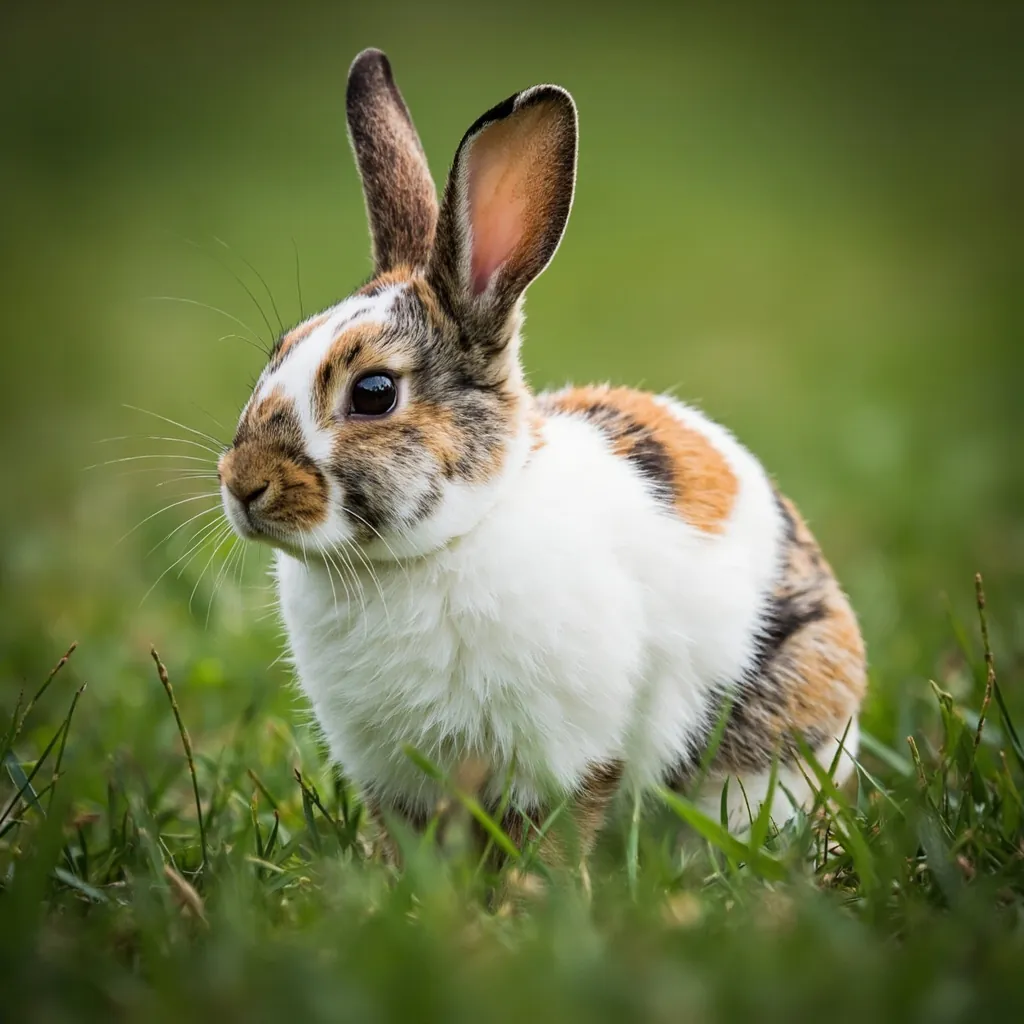
Harlequin rabbits are generally robust, healthy animals. As a medium-sized breed without extreme physical characteristics, they don't face the same specific health risks that brachycephalic breeds or heavily-furred Angoras do. With proper care, a well-bred Harlequin can live 8-12 years, providing years of energetic companionship.
That said, all rabbits have specific health vulnerabilities, and Harlequin owners should understand what to watch for and how to prevent problems. The breed's active nature also means that certain issues — like injuries from jumping or getting into unsafe spaces — require extra attention.
Dental Disease: A Universal Concern
All rabbits are at risk for dental disease, and Harlequins are no exception. Rabbit teeth grow continuously — roughly 2-3mm per week — and without proper wear through chewing, alignment problems and overgrowth develop quickly.
Malocclusion and Tooth Overgrowth
Malocclusion occurs when the upper and lower teeth don't meet correctly, leading to uneven wear. Overgrown teeth develop sharp points and hooks that cut into the tongue and cheeks, causing pain, infection, and difficulty eating.
Signs of dental problems include:
- Selective eating — refusing hay or hard foods while eating softer items
- Drooling or a wet chin
- Weight loss
- Visible overgrown incisors
- Swelling around the jaw or face
- Runny eyes (from tooth roots pressing on tear ducts)
Prevention
Unlimited timothy hay is your primary defense. The grinding action of chewing hay wears teeth down naturally and evenly. Offer apple wood or willow sticks as supplemental chew material. Schedule annual dental checkups with a rabbit-savvy veterinarian who can examine back teeth and address overgrowth before it becomes problematic.
Gastrointestinal Stasis
GI stasis — a slowdown or complete stoppage of the digestive system — is one of the most common health emergencies for any rabbit, including Harlequins. Stress, inadequate fiber intake, dehydration, pain from other sources, or underlying illness can all trigger it.
Warning Signs
- No fecal output or very small, abnormal droppings
- Loss of appetite or complete food refusal
- Hunched posture and reluctance to move
- Lethargy
- A hard or distended stomach
- Teeth grinding
GI stasis can be fatal within 24-48 hours. Contact a rabbit-savvy veterinarian immediately if you see these symptoms.
Prevention
Keep your Harlequin's digestive system healthy with unlimited timothy hay, constant fresh water, daily exercise to promote gut motility, stress minimization, and regular observation.
Injuries From Activity
Harlequins are active, curious, sometimes reckless rabbits. Their energetic nature means they're more prone to injuries than calmer breeds. They may leap from surfaces that are too high, slam into objects during zoomies, or get into spaces where they shouldn't be.
Common Activity-Related Injuries
- Broken bones from falls
- Sprains or strains from awkward landings
- Back injuries from being dropped or mishandled
- Cuts and abrasions from contact with sharp objects
- Head trauma from collisions with walls or furniture during fast running
Prevention
Bunny-proof thoroughly — this is non-negotiable for a Harlequin. Ensure your rabbit's exercise space is clear of sharp edges, unstable surfaces, and areas where they could get stuck. When handling a Harlequin, be especially careful — their unpredictable movements can catch you off guard.
Supervise free-roam time, especially in new environments. Set up safe spaces for your Harlequin to run at full speed without risk of injury.
Heat Sensitivity
Harlequins have dense coats and are sensitive to heat. Temperatures above 75°F (24°C) can become dangerous, and heat stroke is a real risk in warm weather.
Recognizing Heat Stroke
- Panting and rapid breathing
- Lethargy and unresponsiveness
- Hot ears (very warm to the touch)
- Flattening against cool surfaces
- Confusion or disorientation
If you suspect heat stroke, move your Harlequin to a cool area immediately. Apply cool (not cold) water to the ears. Seek veterinary care right away.
Prevention
Keep Harlequins in air-conditioned spaces during warm months. Provide frozen water bottles or ceramic tiles for them to lie on. Ensure shade and good ventilation. Always have fresh, cool water available.
Pododermatitis: Sore Hocks
Harlequins can develop pododermatitis (sore hocks), particularly when housed on inappropriate flooring or carrying extra weight. The condition occurs when constant pressure on the feet leads to painful sores.
Contributing Factors
- Wire or abrasive cage flooring
- Obesity
- Nails kept too long
- Urinary incontinence leading to ammonia burns
Prevention
Provide solid flooring with soft, appropriate bedding. Keep your Harlequin at a healthy weight. Trim nails every 4-6 weeks. Maintain a clean enclosure. If pododermatitis develops, veterinary care is essential.
Respiratory Infections
Rabbits can develop upper respiratory infections caused by bacteria such as Pasteurella. Symptoms include sneezing, nasal discharge, wheezing, and difficulty breathing.
Any respiratory symptoms warrant veterinary attention. Early treatment with antibiotics is usually effective. Keep your Harlequin in a clean, dust-free environment.
Ear Mites
Ear mites are a common issue in rabbits, causing head shaking, scratching at ears, and crusty material inside the ear. Your veterinarian can diagnose and treat ear mites with appropriate medication.
Regular ear checks and cleaning can help prevent infestations.
Reproductive Cancers
Unspayed female rabbits have a very high risk of uterine cancer — up to 80% of unspayed does over age 4 develop the disease. Unspayed males can develop testicular cancer.
Spaying or neuturing eliminates these risks and reduces behavioral problems. Discuss the procedure with your rabbit-savvy veterinarian.
Flystrike
Flystrike (myiasis) occurs when flies lay eggs on a rabbit, usually around soiled fur, and maggots burrow into the skin. It's a life-threatening condition that can develop rapidly in warm weather.
Prevention involves keeping your Harlequin's living space clean, checking the coat and rear end regularly (especially in warm months), and addressing any health problems that might make self-grooming difficult.
Finding Quality Veterinary Care
Not all veterinarians are experienced with rabbits. Find a qualified rabbit or exotic animal veterinarian before you need one. Schedule annual checkups that include physical examination, weight monitoring, and dental checks.
Final Thoughts
Harlequin rabbits are healthy, hardy animals when given proper care. Their active nature requires some extra attention to injury prevention and exercise management, but in return, they give you years of engaging, lively companionship.
Know what's normal for your Harlequin so you can spot problems early. With proper diet, housing, exercise, and veterinary care, your Harlequin can live a long, healthy, entertaining life.
Emergency Signs to Watch For
Every Harlequin owner should know the signs that require immediate veterinary attention. Rabbits can deteriorate rapidly, and waiting even a few hours can make the difference between a manageable problem and a life-threatening one.
Contact your veterinarian immediately if you observe:
- No eating or drinking for more than 6 hours
- No droppings or a sudden change in fecal output
- Lethargy — unresponsive or barely moving
- Labored breathing, wheezing, or gasping
- Severe bloating or a hard, distended stomach
- Collapse or loss of coordination
- Convulsions or seizures
- Bleeding from any orifice, including nail quicks
- Flystrike — flies laying eggs in soiled fur
Reproductive Health
Spaying or neutering is one of the most important health decisions you will make for your Harlequin. Intact rabbits are at significantly higher risk for reproductive cancers — uterine adenocarcinoma is extremely common in unspayed female rabbits and can be fatal. Males are not exempt from reproductive cancers either.
Beyond cancer prevention, spaying and neutering reduces territorial spraying, aggression, and problematic mounting behavior. It also makes rabbits easier to bond with each other and with their owners. The ideal age for the procedure is between four and six months, though your veterinarian can advise on the best timing for your individual rabbit.
Parasites and External Pests
Harlequins can suffer from a variety of external parasites, most commonly ear mites, fur mites, and fleas. Signs of infestation include excessive scratching, head shaking, hair loss in patches, and visible debris in the ears or on the skin.
Ear mites are particularly common and present with dark, crumbly debris inside the ear canal — often described as looking like coffee grounds. They are treatable with medication prescribed by your veterinarian. Fur mites may cause flaky, itchy skin and coat deterioration.
Fleas can be treated with rabbit-safe topical medications. Avoid over-the-counter flea products unless specifically labeled safe for rabbits — many dog and cat flea treatments are toxic to rabbits. Fly strike is a summer risk for any rabbit with a dirty coat or open wound — keep your rabbit's living area clean and check their coat daily during hot weather.
Senior Harlequin Health
As Harlequins age, their health needs evolve. Most rabbits are considered senior at around five to six years, though this varies by individual and breed. Watch for signs of arthritis (reluctance to hop, difficulty accessing litter box, changes in grooming habits), vision or hearing loss, and reduced appetite.
Senior rabbits benefit from more frequent veterinary checkups — twice a year is ideal. Adjust their environment to make daily life easier: lower entry points to enclosures, softer bedding, ramps instead of steps, and food and water positioned at comfortable heights. Their diet may need adjustment to account for reduced activity levels and changing nutritional needs.