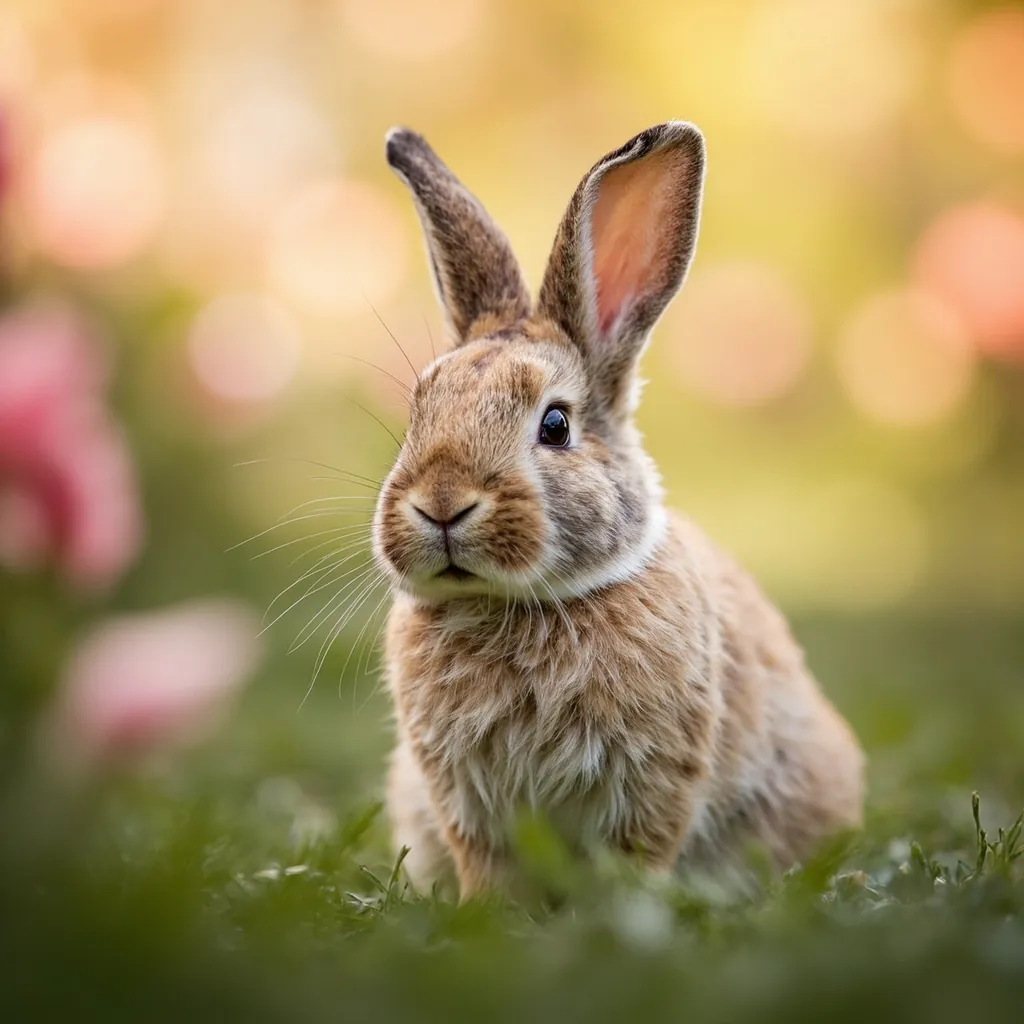
Bringing a Holland Lop into your home is a decision that will bring years of joy, but it also comes with real responsibilities. These little rabbits have specific needs that, when met, allow them to thrive. Here is everything you need to know to give your Holland Lop the best life possible.
⚠️ Medical information: This article is for general educational purposes and is not a substitute for professional veterinary care. Always consult a rabbit-savvy veterinarian for health concerns. See our full disclaimer.
Setting Up Their Living Space
Holland Lops may be small, but they are active and need room to move. A single rabbit enclosure should provide at least 12 square feet of floor space, though bigger is always better. Many owners use large dog exercise pens (often called "x-pens") as they offer much more room than traditional rabbit cages.
The enclosure should have a solid floor. Wire floors may seem easier to clean, but they can cause sore hocks on Holland Lop feet, which are not as tough as those of larger breeds. Place a thick layer of paper-based bedding over the floor for comfort and absorbency. Aspen shavings or paper-based litter work well. Avoid cedar and pine shavings, as the aromatic oils can cause respiratory problems.
Your Holland Lop also needs a hiding spot. In the wild, rabbits seek enclosed spaces to feel safe. A wooden house, cardboard tunnel, or ceramic hideaway gives them a place to retreat when they want privacy. Place this in a corner of the enclosure where they can still see the room, as completely enclosed spaces can make some rabbits feel trapped.
Diet: The Foundation of Good Health
The cornerstone of a Holland Lop diet is grass hay. Offer unlimited timothy hay, orchard grass, meadow hay, or a blend. Hay should make up the majority of what your rabbit eats every single day. It provides the fiber needed to keep their digestive system moving and helps wear down their continuously growing teeth.
Pellets should be given in moderation. For an adult Holland Lop, one-quarter to one-half cup of plain timothy-based pellets per day is usually appropriate. Avoid mixes that contain seeds, dried fruit, or colored bits. These added ingredients are high in sugar and fat and can lead to obesity and digestive upset. Alfalfa-based pellets are fine for young kits but are too rich for most adult Holland Lops.
Fresh greens should be offered daily. Aim for one to two cups of leafy greens per day, spread across two feedings. Good choices include romaine lettuce, green leaf lettuce, cilantro, parsley, bok choy, and basil. Introduce new greens one at a time and watch for any signs of soft stools, which could indicate a particular food does not agree with your rabbit.
Fresh water should always be available. Most Holland Lops prefer a heavy ceramic bowl over a bottle, though offering both is fine. Change the water daily and clean the bowl regularly to prevent algae or bacteria buildup.
Grooming: Less Work Than You Might Think
Holland Lops have dense, rollback fur that does not require professional grooming. A weekly brushing with a slicker brush or rubber grooming tool is usually sufficient to remove loose fur and distribute skin oils. During shedding seasons in spring and fall, you may need to brush more frequently, sometimes daily, to prevent hairballs from forming in the digestive tract.
Check their ears regularly. Because lop ears hang down, airflow is reduced, making Holland Lops more prone to ear infections and wax buildup than upright-eared breeds. Look inside the ears every week for signs of redness, discharge, or a strong odor. Gently wipe the outer ear with a damp cloth if you see debris, but do not insert anything into the ear canal.
Nails should be trimmed every four to six weeks. Holland Lop nails grow quickly, and overgrown nails can catch on things or cause the foot to sit at an uncomfortable angle. Use a small animal nail clipper and trim just the tip, avoiding the quick (the pink area inside the nail where blood vessels run). If you accidentally cut the quick, apply styptic powder to stop bleeding.
Holland Lops do not need baths. In fact, bathing can be stressful and even dangerous for rabbits. If your rabbit gets something sticky in their fur, spot-cleaning with a damp cloth is usually enough. If a full bath is absolutely necessary, use shallow warm water and a rabbit-safe shampoo, and dry them thoroughly afterward.
Exercise and Enrichment
Holland Lops are energetic and curious. They need at least three to four hours of supervised exercise outside their enclosure every day. This is not negotiable. Without enough movement, they can develop muscle atrophy, obesity, and behavioral problems.
Set up a rabbit-proofed area for exploration. Cover or relocate all electrical cords, remove toxic plants, and ensure there are no small spaces where a curious Holland Lop could get stuck. Give them toys to investigate, chew, and toss around. Apple wood sticks, willow balls, cardboard boxes, and paper bags all make excellent, inexpensive toys.
Puzzle feeders and hiding games are great for mental stimulation. Place treats inside a crumpled paper ball or under a small towel and watch your rabbit figure out how to get to them. This kind of enrichment keeps their mind active and prevents boredom-related behaviors like chewing on furniture.
Bonding With Your Holland Lop
Building trust with a Holland Lop takes time and patience. Start by sitting quietly near their enclosure and letting them come to you. Avoid reaching over their head or grabbing at them, as this mimics predatory behavior and can scare them.
Once they seem comfortable with your presence, try offering a treat from your hand. Small pieces of cilantro, parsley, or a commercial rabbit treat work well. Let them sniff your hand before you move. Over time, you can progress to gentle petting, usually on the forehead or cheeks, areas most rabbits enjoy.
Some Holland Lops never become lap rabbits, and that is okay. Let your rabbit set the pace for affection. Forcing interaction before they are ready will only set back your bonding progress. With consistent gentle handling, most Holland Lops will eventually seek out your attention and enjoy being petted.
Never chase or pick up your rabbit suddenly. If you need to catch them, lure them into a corner with a treat rather than lunging at them. When you do need to pick them up, support their hindquarters and chest securely. A falling Holland Lop can break a bone or injure their spine.
Spaying and Neutering
Every Holland Lop should be spayed or neutered, both for health reasons and to make them better companions. Unspayed females have a very high risk of uterine cancer, with some studies suggesting up to 80 percent develop the disease by age five. Neutered males are typically less aggressive and less likely to spray urine.
The ideal age for the procedure is between four and six months for most Holland Lops. Recovery is usually straightforward, though you will need to limit your rabbit's activity for a week or two following surgery. Your veterinarian should have experience with rabbit anesthesia, as it is riskier for rabbits than for dogs or cats.
Keeping Them Safe
Holland Lops are small and fragile compared to larger pets. If you have dogs or cats in the home, always supervise interactions. Even well-meaning dogs can injure a small rabbit accidentally. Keep your Holland Lop in a secure enclosure when you are not directly watching them.
Be mindful of temperature. Rabbits are sensitive to heat and can suffer heatstroke when temperatures exceed 80 degrees Fahrenheit. In hot weather, move their enclosure to a cool room, provide frozen water bottles wrapped in towels for them to lie against, and never leave them in a parked car or direct sunlight.
Cold is less of a concern for healthy adult Holland Lops, but drafts and damp conditions should be avoided. Keep their enclosure in a climate-controlled area and make sure their bedding stays dry.
Your Holland Lop will rely on you for everything. In return, you will get a companion that greets you with nose wiggles, follows you from room to room, and occasionally flops dramatically on their side when they decide you have ignored them for too long. It is a good trade.