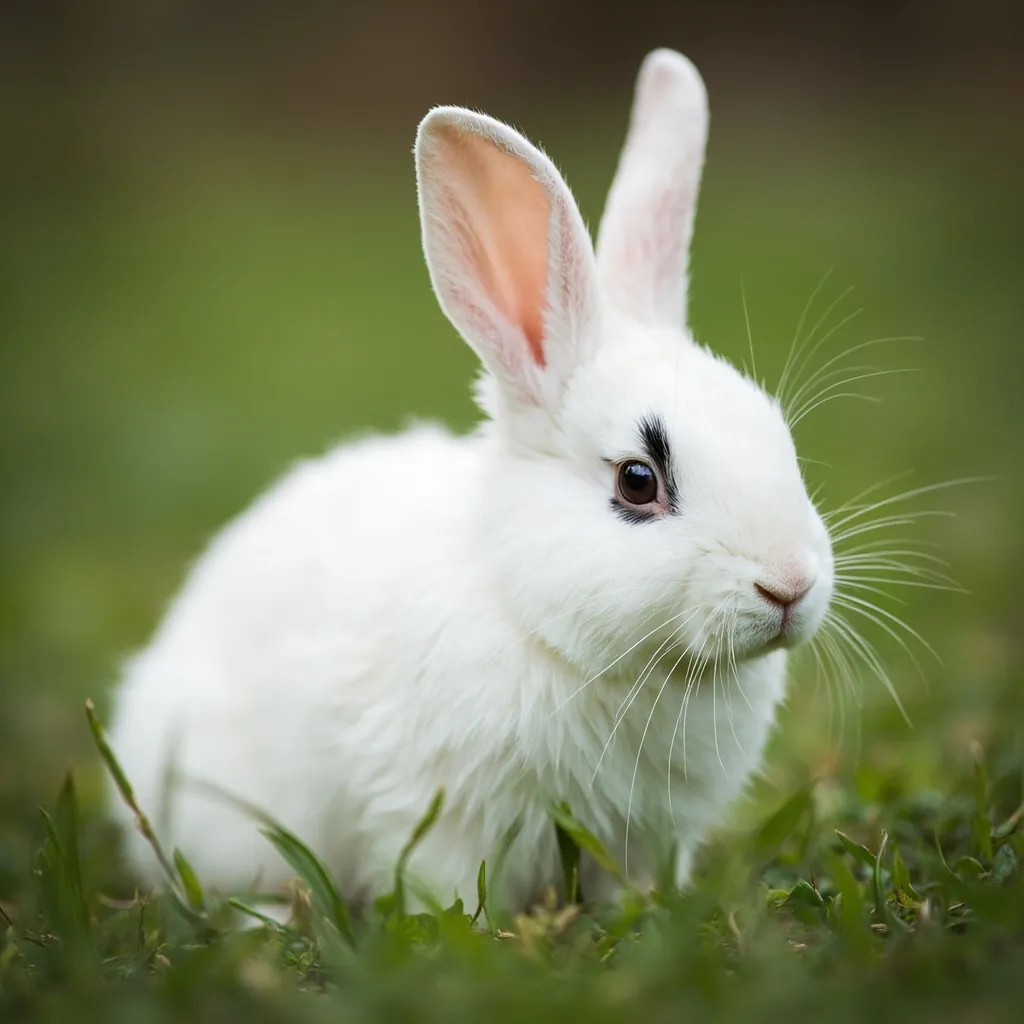
Blanc de Hotot rabbits are rewarding companions with their calm demeanor and stunning appearance. Caring for a Hotot is similar to caring for any large rabbit breed—the basics of diet, housing, and health are the same. What differs is their size, their need for space, and the attention you pay to keeping that beautiful white coat clean and healthy. Here's everything you need to know.
⚠️ Medical information: This article is for general educational purposes and is not a substitute for professional veterinary care. Always consult a rabbit-savvy veterinarian for health concerns. See our full disclaimer.
Diet: Fueling a Large Rabbit
The Blanc de Hotot is a large rabbit, typically weighing between 8 and 11 pounds. This means they eat more than smaller breeds, but the dietary principles remain the same. The foundation is grass hay—unlimited Timothy hay, orchard grass, or meadow hay should be available at all times. A large Hotot rabbit may eat a substantial amount of hay daily, and that is exactly what you want.
Leafy greens should be offered daily—about 1 to 2 cups for an adult Hotot. Good choices include romaine lettuce, green leaf lettuce, cilantro, parsley, basil, and bok choy. Rotate greens to provide variety and a broader nutrient profile. Avoid iceberg lettuce entirely—it has no nutritional value and can cause digestive upset. Minimize high-oxalate greens like spinach and kale.
Pellets should be limited to about 1/4 to 1/2 cup per day for an adult Hotot. Choose a plain, high-fiber pellet without seeds, dried fruit, or added colors. The protein content should be around 14%, and fiber should be 18% or higher. Overfeeding pellets is one of the most common mistakes rabbit owners make—a large rabbit can easily become overweight, which leads to a cascade of health problems.
Treats should be minimal—one or two small pieces per day at most. A sliver of banana, a small apple wedge, or a baby carrot are good choices. If your Hotot is gaining weight, cut the pellets and treats, not the hay.
Housing: Space for a Substantial Rabbit
A Hotot rabbit—weighing up to 11 pounds—needs a generously sized enclosure. The minimum should be at least 12 square feet of living space, but more is always better. Commercial rabbit cages sold in pet stores are generally too small for a large breed like the Hotot.
Many owners use dog exercise pens configured into spacious areas, custom-built enclosures, or converted rooms. Some provide multiple levels connected by ramps, though Hotots are not as vertical as some breeds—their body type is more horizontal and muscular. The key is that they have enough room to stretch out fully and stand on their hind legs comfortably.
Flooring matters. Wire floors can hurt Hotot feet, especially given their weight. Provide solid flooring or cover wire with fleece or cotton bedding. Hotot rabbits will appreciate a soft resting area away from the wire. Paper-based or fleece substrates are ideal—avoid cedar and pine shavings, which can cause respiratory problems.
Litter training works well for Hotot rabbits. Place a large litter box filled with paper-based bedding in one corner of the enclosure. Consistency with placement will train them quickly. Spaying or neutering dramatically improves litter habits and reduces territorial behaviors.
Grooming: The White Coat
The Hotot's pure white coat is beautiful, but it does require some attention to keep it looking its best. The coat is short to medium in length, dense, and rollback—it springs back into place when stroked. A weekly brushing with a slicker brush or rubber grooming mitt removes loose fur, reduces hairballs, and distributes skin oils.
During heavy shedding seasons in spring and fall, brush twice weekly. Indoor Hotots may shed year-round due to consistent temperatures, so watch for mats developing behind the ears, under the chin, and around the hindquarters. Use a fine-toothed comb on areas prone to matting.
Bathing is rarely needed. If your Hotot gets something on their white fur, spot-clean with a damp cloth and mild rabbit shampoo if necessary. Full baths are unnecessary and can be stressful for most rabbits. Because Hotots are large, bathing a full-grown Hotot is also impractical—if they need a full bath, consult your veterinarian or a rabbit groomer.
Regular maintenance includes:
- Nail trimming every 4 to 6 weeks
- Weekly ear checks for wax or debris
- Monthly at-home dental checks (watch for overgrowth or drooling)
- Checking the scent glands near the genitalia—clean with warm water and a cotton swab if a cheesy buildup is present
- Checking the eye rings for any staining or discharge—clean gently with a damp cloth if needed
Exercise: Non-Negotiable for a Large Rabbit
Hotot rabbits are moderately active and need daily exercise—at least 3 to 4 hours of supervised free-roam time in a rabbit-proofed area. They are large enough to cause some damage if they get into trouble, so rabbit-proofing is essential. Cover or remove electrical cords, block access to small spaces where they might get stuck, remove toxic plants from floor level, and protect baseboards and furniture legs.
Provide enrichment: cardboard boxes with holes cut in them, tunnels, paper bags, wooden chew toys, and puzzle feeders all work well. Rotate toys every week or two to keep things interesting. Some Hotot owners teach their rabbits agility—it surprises people to see a large white rabbit weaving through poles with grace and precision.
Bonding: Patience and Consistency
Hotot rabbits are calm and friendly by nature, which makes bonding easier than with more high-strung breeds. Start by sitting on the floor in their space without trying to handle them. Let your Hotot come to you. Offer treats from your hand—small pieces of apple or banana work well. When they consistently take treats, begin offering gentle pets on the head while they eat.
Never chase or corner a Hotot rabbit. They remember negative experiences and will become wary if you create bad associations. If you need to pick them up, approach from the side, support their hindquarters fully, and hold them against your chest. A large rabbit like a Hotot can be injured if held improperly or dropped, so always be mindful of how you're supporting their weight.
Once bonded, Hotot rabbits can be very affectionate. Some enjoy being petted for extended periods and will flop contentedly near their owners. Others enjoy being in the same room and will follow their owners around the house. The bond you build with a Hotot will be strong—they are loyal rabbits who recognize their people.
Handling: Support Their Weight
Hotot rabbits are large and substantial. When picking them up, always support the hindquarters fully. Place one hand under the chest and the other hand under the hindquarters. Never pick up a Hotot by the scruff or by one leg—this can cause serious spinal injury in a large rabbit.
If your Hotot struggles when you pick them up, work on building more trust before attempting to hold them again. Some rabbits simply don't like being picked up—this is a natural prey animal instinct. You can still have a wonderful bond with a rabbit who prefers four on the floor. Respect your rabbit's preferences.
Children should always be supervised when handling Hotot rabbits. An 11-pound Hotot is heavy for a small child to hold, and a fall can cause serious injury. Children should sit on the floor while handling a Hotot to minimize the risk if the rabbit jumps.
Health Considerations
Spay or neuter your Hotot—this is essential for health and temperament. Unspayed female Hotots have a very high risk of uterine cancer, and neutering eliminates territorial behaviors and reduces the risk of reproductive cancers in males.
Watch for common rabbit health issues: GI stasis, dental problems, respiratory infections, and pododermatitis. Know the warning signs and have your rabbit-savvy vet's number handy. Keep an emergency kit with critical care formula, infant simethicone, and a digital scale for weekly weight monitoring.
Hotot rabbits are sensitive to heat—their white fur doesn't protect them as well as darker fur. Keep them in a cool, well-ventilated space during warm weather. Temperatures above 80°F can be dangerous, and anything above 85°F puts them at serious risk of heat stroke. Provide frozen water bottles, ceramic tiles, and plenty of cool water during summer months.
Socialization and Bonding
Building a trusting relationship with your Blanc de Hotot takes time and patience, but the reward is a rabbit who actively seeks your company. Start by sitting quietly near your rabbit's enclosure without making direct eye contact — rabbits find sustained eye contact threatening. Let your rabbit come to you.
Offer treats from your hand to create positive associations. Once your rabbit is comfortable with hand-feeding, try gentle stroking behind the ears and on the forehead. Avoid picking up your rabbit unless necessary — most rabbits find being lifted stressful, and improper lifting can cause injury to both rabbit and owner.
If you have other pets, introduce them gradually and always under supervision. Dogs and cats should be taught that the rabbit is not prey. Never leave a Blanc de Hotot unsupervised with other animals, no matter how well you think they get along.
Enrichment and Mental Stimulation
Blanc de Hotots are intelligent animals who need mental stimulation to stay happy and healthy. Boredom can lead to destructive behaviors, over-grooming, and even depression. Rotate toys regularly to keep things interesting — a toy that has been in the enclosure for weeks will generate less interest than one that appears fresh.
Safe enrichment options include:
- Untreated willow balls and tunnels
- Cardboard boxes filled with hay
- Apple wood or willow chew sticks for dental health
- Platforms and hiding spots at different heights
- Paper bags filled with herbs for foraging
- Puzzle feeders that make rabbits work for treats
Digging boxes — a shallow tray filled with shredded paper or hay — satisfy a natural digging instinct without destroying your home. Rotate enrichment items every few days to maintain novelty.
Seasonal Care Considerations
Blanc de Hotots are sensitive to temperature extremes. Keep their environment between 60-70°F (15-21°C) as much as possible. In hot weather, provide ceramic tiles to lie on, frozen water bottles wrapped in a towel, and ensure ventilation without drafts. In cold weather, provide extra bedding and ensure the enclosure is draft-free — rabbits are more tolerant of cold than heat, but frostbite and hypothermia are real risks.
Grooming frequency may increase during spring and fall shedding seasons. Monitor coat condition more closely during these periods and brush more often to prevent hairballs.
Signs Your Blanc de Hotot Is Thriving
A healthy, happy Blanc de Hotot is curious and alert when awake, interested in their environment, and eager to interact with you. Their coat is glossy and clean, their eyes are bright, and they are eating, drinking, and producing normal droppings consistently.
Behavioral signs of a content rabbit include binkying (joyful leaps in the air), flopping onto their side, and relaxed grooming. A Blanc de Hotot who regularly comes to the front of their enclosure when you approach is showing positive association and trust.
If you notice any sudden changes — hiding more than usual, refusing food, producing fewer droppings, or appearing lethargic — contact a rabbit-savvy veterinarian promptly. Rabbits hide illness well, and any visible sign of distress usually means the problem has been developing for some time.