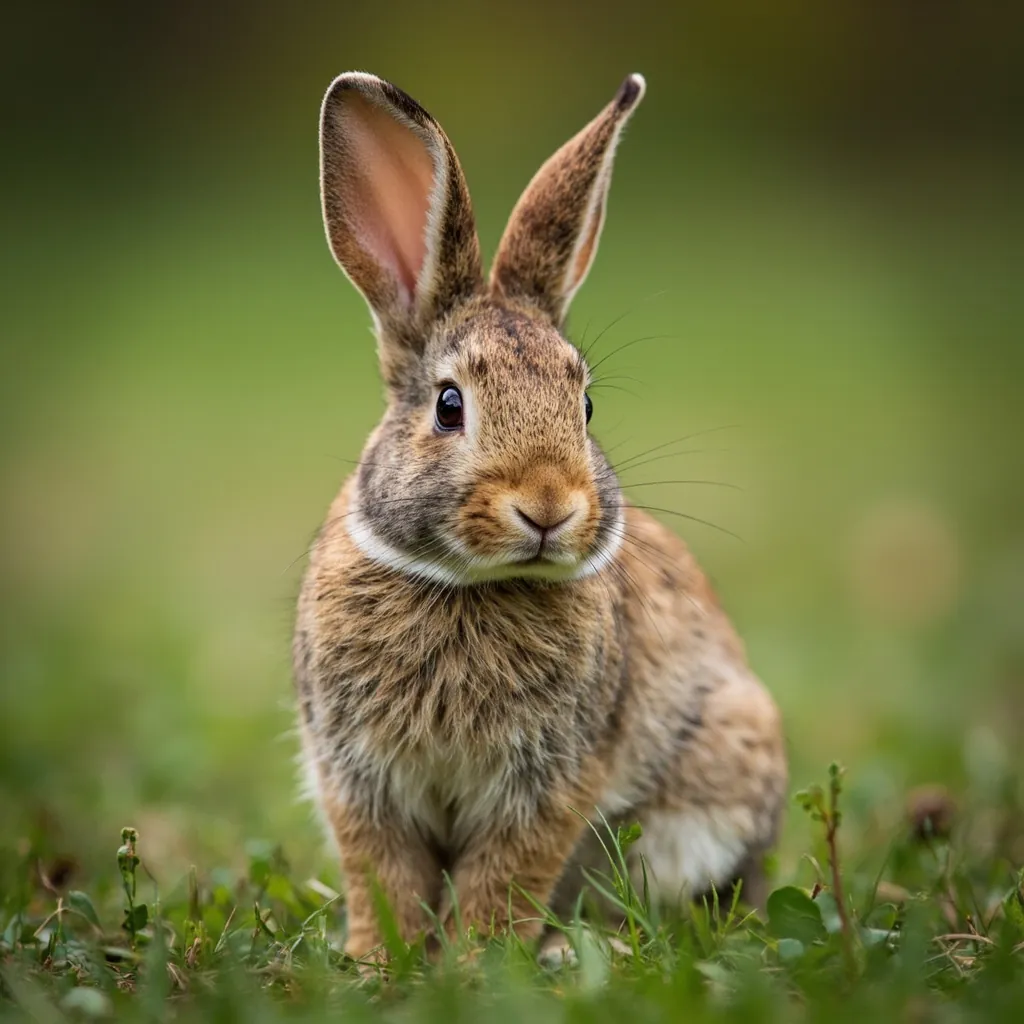
The first time you touch a Mini Rex, you understand why people fall in love with them. Their fur is unlike anything else in the rabbit world. Short, dense, and standing upright, it has a velvety texture that invites constant petting. Combined with their compact size and calm temperament, the Mini Rex has become one of the most popular rabbit breeds in the United States.
How the Mini Rex Came to Be
The Rex breed originated in France in the early 1900s. A rabbit with a genetic mutation producing a short, plush coat was discovered, and breeders worked to固定 this trait. The resulting Rex rabbits were large, with that distinctive velvety fur caused by guard hairs that are the same length as the undercoat, creating a uniform, plush surface.
Mini Rex rabbits were developed in the United States during the 1980s and 1990s. Breeders wanted to create a smaller version of the Rex that would appeal to pet owners and show exhibitors who preferred a more manageable size. The result was achieved by crossing standard Rex rabbits with small breeds while carefully selecting for the rex coat texture and the dwarf gene. The Mini Rex was officially recognized by the American Rabbit Breeders Association in 1996.
Physical Characteristics
Mini Rex rabbits weigh between 3 and 4.5 pounds when fully grown, making them a true small breed. Their body is compact and nicely rounded, with a broad head and large, round eyes. Their ears are upright, rounded at the tips, and proportionally appropriate for their head size.
The coat is what sets them apart. A Mini Rex coat should be dense, soft, and have a texture often described as velvet or plush. The fur stands perpendicular to the skin and should be uniform across the entire body. Any areas of long or woolly fur are considered faults in show rabbits. The breed standard calls for the fur to be at least half an inch and no more than three-quarters of an inch in length.
Mini Rex rabbits come in many color varieties, including black, blue, chocolate, lilac, red, white, and broken patterns. The breed also includes pointed white varieties (like the black otter and blue otter) where the body is dark and the muzzle, feet, ears, and tail are a contrasting shade. Chinchilla, sable, and Himalayan patterns are also recognized.
Temperament
Mini Rex rabbits are known for their friendly, calm, and curious personalities. They tend to be intelligent and can be trained to use a litter box, come when called, and even perform simple tricks. Many owners describe them as being more relaxed than some of the more high-energy small breeds.
That said, individual personalities vary. Some Mini Rex rabbits are laid-back lap bunnies who enjoy being pet and will happily sit with you for extended periods. Others are more independent and prefer to explore rather than cuddle. Most fall somewhere in between, offering affection on their own terms.
They generally do well with children who know how to handle them gently. A Mini Rex that is handled roughly will likely scratch or bite to defend itself, so supervision with younger children is important. They also generally do well when introduced to other rabbits, particularly if both are spayed or neutered.
Ideal Living Situation
Mini Rex rabbits adapt well to indoor living and do not require a large amount of space compared to larger breeds. A multi-level enclosure or a spacious single-level hutch works well. They should have access to at least a few hours of supervised exercise outside their enclosure every day.
They are perfectly suited to apartment living as long as their exercise needs are met and they have a quiet space away from loud noise and constant activity. They are not outdoor rabbits and should not be kept in hutches outdoors where they face exposure to predators, extreme temperatures, and disease-carrying insects.
Many Mini Rex owners allow their rabbits free roam of a room or even the whole house. With proper rabbit-proofing (covering cords, removing toxic plants, limiting access to small spaces), this arrangement works well and allows the rabbit to get ample exercise and interaction with the family.
Are They the Right Rabbit for You?
The Mini Rex is an excellent choice for first-time rabbit owners, families, and anyone looking for a small rabbit with a friendly disposition and manageable care requirements. Their coat, while luxurious, is easy to care for compared to long-haired breeds like the Lionhead or Angora.
They are a good fit for people who want a rabbit that can be handled regularly and that will bond closely with its owner. They are also a good choice for owners who want a rabbit with a moderate activity level rather than the hyperactive energy of some breeds.
Potential owners should be prepared for the breed's intelligence. Mini Rex rabbits get bored easily, so they need plenty of toys, interaction, and environmental enrichment to stay happy. An bored Mini Rex may resort to chewing on furniture or other destructive behaviors.
The Appeal of the Velvety Coat
Much of the Mini Rex's popularity comes from that irresistible coat. It is not just visually appealing; it is also a conversation starter. People who have never considered rabbits before often find themselves fascinated when they feel a Mini Rex's fur for the first time.
The coat does require some maintenance. While it does not mat as easily as long fur, it does shed and requires regular brushing to remove loose fur and distribute skin oils. During heavy shedding seasons, more frequent brushing may be needed to prevent the rabbit from ingesting too much fur, which can lead to digestive blockages.
Overall, the Mini Rex is a breed that offers a lot of positives: manageable size, friendly personality, beautiful appearance, and relatively straightforward care requirements. If you are looking for a small rabbit that can be a true companion, the Mini Rex deserves serious consideration.
Living with a Rex — Day to Day
Every rabbit breed has its own character, and living with a Rex means adapting your home and routine to match. These rabbits thrive on consistency — predictable feeding times, a stable environment, and regular interaction build trust and confidence over time.
Most Rexs are adaptable to both indoor and outdoor housing, though indoor housing is strongly recommended. Rabbits housed indoors live longer, are safer from predators and weather, and tend to be more socialized and trusting. If your Rex will have outdoor time, ensure the enclosure is predator-proof, shaded, and protected from extreme temperatures.
Finding a Veterinarian
Rexs should see a rabbit-savvy exotic veterinarian at least once a year for a wellness exam — more often for young rabbits, senior rabbits, or any time you notice behavioral or health changes. Not all exotic vets have extensive rabbit experience, so ask about their rabbit case history before booking. Find a rabbit-savvy vet near you using our vet finder directory.
Is the Rex Right for You?
Before bringing home any rabbit, consider whether the breed's energy level, care needs, and personality fit your lifestyle. Rexs can make wonderful companions for the right owners.
A Rex may be right for you if:
- You have enough space for a properly sized enclosure and daily exercise area
- You can provide daily interaction and socialization
- You're committed to a 8-12 year commitment
- You understand and can afford ongoing veterinary care
- Your household is calm and consistent — rabbits are sensitive to loud noise and disruption
A Rex may not be the best fit if:
- You have very young children who may handle roughly or startle easily
- You're away from home frequently or for long periods
- You're looking for a lap pet that tolerates extensive handling — rabbits are not cats
- You cannot afford proper housing, food, and veterinary care
If a Rex sounds like the right fit, the next step is finding a reputable breeder or checking local rabbit rescues. Many rabbits of this breed end up in shelters because owners underestimate the commitment. Adopting is a wonderful option that gives a rabbit a second chance at a loving home.