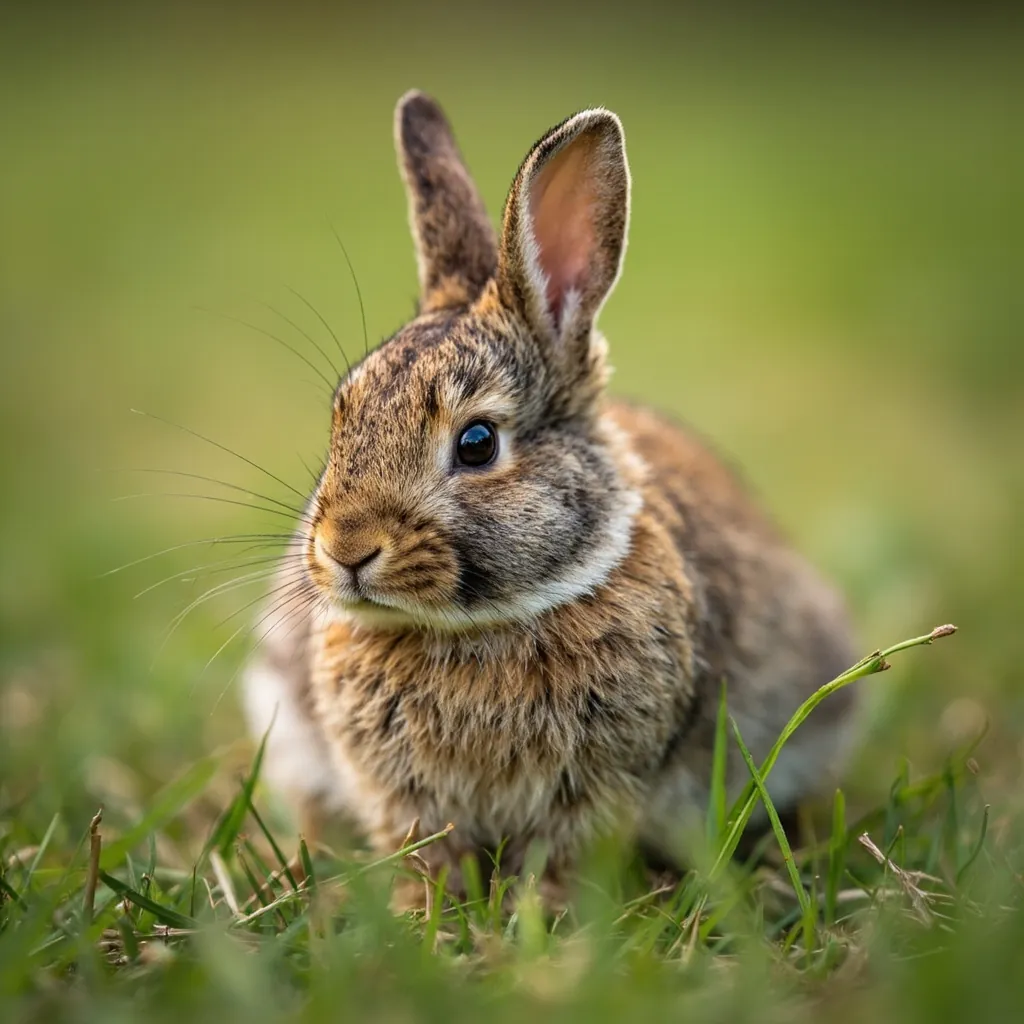
Mini Rex rabbits are a joy to care for, but like all rabbits, they have specific needs that must be met for them to thrive. This guide covers everything you need to know to keep your Mini Rex healthy, happy, and well-adjusted for years to come.
⚠️ Medical information: This article is for general educational purposes and is not a substitute for professional veterinary care. Always consult a rabbit-savvy veterinarian for health concerns. See our full disclaimer.
Creating the Right Habitat
Your Mini Rex needs a living space that is safe, clean, and large enough for them to move around comfortably. The minimum recommended size for a single Mini Rex is an enclosure with at least 12 square feet of floor space, though more is always better. Many owners use large dog exercise pens as they provide plenty of room while allowing the rabbit to see their surroundings.
The floor should be solid, not wire. Wire floors can cause painful sore hocks on the bottoms of Mini Rex feet. Place a thick layer of paper-based bedding over the floor, and clean the enclosure thoroughly at least once a week. Remove soiled bedding daily and replace with fresh material. A litter box in one corner can make cleaning easier and help your rabbit develop good bathroom habits.
Provide a hiding spot inside the enclosure. Rabbits feel vulnerable when they sleep, and a covered space where they can retreat gives them a sense of security. A wooden rabbit house, a cardboard box with two openings, or a ceramic hideaway all work well. Place it in a corner where your rabbit can still observe the room rather than in a completely enclosed space that cuts off their view.
Keep the enclosure away from direct sunlight, drafts, and extreme temperatures. Rabbits do not handle heat well, and temperatures above 80 degrees Fahrenheit can be dangerous. A cool, quiet room with good air circulation is ideal.
Feeding Your Mini Rex
The foundation of your Mini Rex diet should be grass hay. Offer unlimited timothy hay, orchard grass, meadow hay, or a blend. Your rabbit should have access to hay at all times. Hay provides the fiber needed for proper digestive function and helps wear down continuously growing teeth.
Timothy-based pellets can be offered in small amounts. For an adult Mini Rex, one-quarter to one-half cup of plain pellets per day is sufficient. Avoid pellet mixes that contain seeds, nuts, dried fruit, or colored bits. These extra ingredients add unnecessary sugar and fat and can contribute to obesity and digestive problems. Young rabbits under six months can have alfalfa-based pellets, but adults should generally avoid alfalfa as it is too high in calcium and calories for most Mini Rex.
Fresh leafy greens should be part of the daily diet. One to two cups of greens per day, offered in two separate feedings, is a good target. Safe greens include romaine lettuce, green leaf lettuce, cilantro, parsley, bok choy, basil, mint, and dill. Avoid iceberg lettuce as it has very little nutritional value. Introduce new greens one at a time and watch for any digestive upset before adding more variety.
Fresh water must be available at all times. Most Mini Rex prefer a heavy ceramic bowl to a water bottle, as it is more natural and allows them to drink deeper amounts. Change the water daily and clean the bowl every few days to prevent bacteria growth.
Grooming the Velvety Coat
The Mini Rex coat is one of its most distinctive features, and keeping it in good condition is part of responsible ownership. The good news is that the short, dense coat is relatively low-maintenance compared to long-haired breeds.
Brush your Mini Rex once or twice a week with a slicker brush or a rubber grooming tool. This removes loose fur and helps distribute skin oils. During the spring and fall shedding seasons, increase brushing to every day or every other day to prevent hairballs from forming in the digestive tract.
The Rex coat does not require trimming or professional grooming. However, you should check the coat regularly for any matting, which can occasionally occur in areas where the fur is thicker, such as around the chest and behind the ears. If you find a small mat, gently work it apart with your fingers or a wide-toothed comb rather than cutting it out with scissors.
Check the rabbit's nails every four to six weeks. Mini Rex nails grow quickly and need regular trimming to prevent overgrowth and catching. Use a small animal nail clipper and trim just the tip of the nail, avoiding the quick, which is the pink area where blood vessels and nerves are located.
Ears should be checked weekly for wax buildup, discharge, or signs of infection. The upright ears of a Mini Rex are less prone to problems than lop ears, but they still need monitoring. Clean the outer ear with a damp cloth if you see debris, but never insert anything into the ear canal.
Mini Rex rabbits do not need baths. Their short coat and regular self-grooming usually keep them clean. If something sticky gets into the fur, spot-clean with a damp cloth. A full bath is stressful for rabbits and should be avoided unless absolutely necessary.
Exercise and Enrichment
Mini Rex rabbits are active and curious, and they need daily exercise to stay physically and mentally healthy. A minimum of three to four hours outside their enclosure each day is recommended, though more is better.
Set up a safe space for exercise. Rabbit-proof the area by covering all electrical cords, removing toxic plants, and blocking access to small spaces where a rabbit could become trapped or chew on something dangerous. Supervision is essential even in a rabbit-proofed space, as even careful rabbits sometimes find something they should not.
Toys are important for mental stimulation. Mini Rex rabbits are intelligent and enjoy puzzles, chewing, and exploring. Provide a variety of toys including apple wood sticks, willow balls, cardboard boxes, paper bags, and untreated pine cones. Rotate the toys every few days to keep things interesting. You can hide treats inside crumpled paper or under a small towel to create puzzle-solving opportunities.
Consider creating a designated play area with tunnels, platforms, and hiding spots. This gives your Mini Rex an environment that encourages natural behaviors like exploring, digging (in a dig box filled with shredded paper or safe substrate), and chewing.
Building a Bond
Mini Rex rabbits are generally friendly and enjoy interaction with their owners, but building trust takes time. Start by sitting quietly near your rabbit's enclosure and letting them come to you. Offer a treat from your open hand. Let them sniff you and approach at their own pace.
Avoid sudden movements or reaching over your rabbit's head, as this can startle them. When you pet them, start with the forehead or cheeks, areas most rabbits enjoy. Let your rabbit tell you when they want more affection and when they have had enough.
Some Mini Rex rabbits become very bonded to their owners and enjoy being held and petted regularly. Others prefer to be near you rather than on you. Respect your rabbit's personality and do not force interaction. Forcing affection before a rabbit is ready will only slow down the bonding process.
Regular gentle handling from a young age helps Mini Rex rabbits become comfortable with being held and pet. Always support the hindquarters and chest when picking up your rabbit, and never let them jump from a high place, as they can injure their spine or legs.
Health Considerations
Your Mini Rex should see a veterinarian who specializes in rabbits at least once a year for a wellness exam. This should include a dental check, weight assessment, and overall health evaluation. Finding an experienced rabbit veterinarian before you need one is important, as not all veterinary clinics treat rabbits.
Spaying or neutering your Mini Rex is strongly recommended. Spayed females have a dramatically reduced risk of uterine cancer, which is common in unspayed female rabbits. Neutered males are typically calmer, less aggressive, and easier to litter train. The surgery is routine for healthy rabbits when performed by an experienced veterinarian.
Watch for any signs of illness. Changes in eating, drinking, or droppings can indicate a problem. A healthy Mini Rex is alert, curious, and active. Any prolonged decrease in appetite, changes in droppings, lethargy, or unusual behavior should prompt a call to your veterinarian.
Preventive care also includes keeping your rabbit's environment clean, feeding a proper diet, and minimizing stress. A well-cared-for Mini Rex can live 7 to 10 years or more, so the investment you make in their care now will pay off with many happy years together.