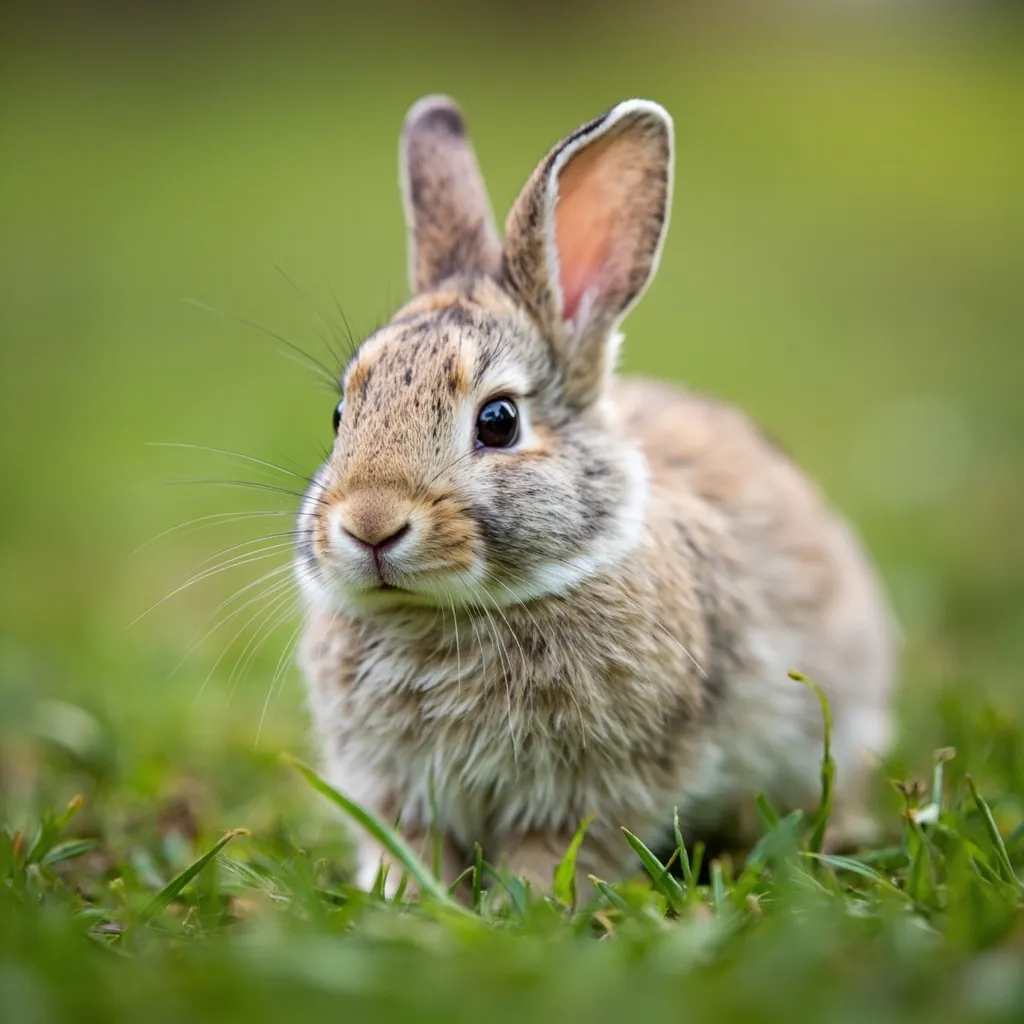
The Netherland Dwarf is a study in contradictions. This rabbit weighs barely more than a pound and a half at maturity, yet it carries itself with the confidence of an animal three times its size. With round eyes, a compact body, and ears that stand short and upright on a rounded head, the Netherland Dwarf looks like an eternal baby, which is part of its enduring appeal.
The Origins of the Netherland Dwarf
The breed was developed in the Netherlands in the early 20th century. Breeders wanted a small, compact rabbit with dwarf characteristics, and they achieved this by crossing small Polish rabbits with wild rabbits. The resulting breed was officially recognized in the Netherlands in 1940, though the Second World War interrupted the breed's development and spread.
After the war, breeding programs resumed, and Netherland Dwarfs were imported to the United Kingdom and the United States. The American Rabbit Breeders Association recognized the breed in 1969. Since then, the Netherland Dwarf has become one of the most popular small rabbit breeds worldwide, beloved for its compact size and spirited personality.
What They Look Like
A fully grown Netherland Dwarf typically weighs between 1.5 and 2.5 pounds, making it one of the smallest domestic rabbit breeds. Despite its tiny size, the breed is muscular and well-rounded, with a broad head, full cheeks, and large, round eyes that give it an expressive, wide-eyed appearance.
The ears are one of the breed's defining features. They are short, stood upright, and slightly rounded at the tips. The ears should be broad at the base and well-furred. The head is rounded and sits close to a compact, rounded body.
Netherland Dwarfs come in an impressive variety of colors and patterns. More than 20 different color varieties are recognized, including black, blue, chocolate, lilac, chestnut, opal, orange, red, white, and various pointed patterns. Broken colors (white with colored patches) are also common. Their short, dense coat is easy to care for and has a rollback texture.
The Dwarf Personality
Here is where the Netherland Dwarf surprises many people. Those cute, wide eyes hide a bold, curious, and sometimes stubborn personality. These are not docile, lap-friendly rabbits. Netherland Dwarfs are alert, active, and often described as having a "big rabbit" attitude in a tiny body.
They are quick to investigate new things and can be territorial. Some Netherland Dwarfs bond closely with their owners and enjoy interaction, while others prefer to observe from a distance and may be more prone to nip or bolt if they feel threatened. Their small size means they can be quick to startle, and they have a strong prey drive even after generations in captivity.
This does not mean they are bad pets. On the contrary, many Netherland Dwarf owners find their feisty personalities part of the appeal. They are entertaining to watch, full of energy, and have no idea they are small. For the right owner who understands and respects their personality, Netherland Dwarfs can be wonderful companions.
Are They Good for Beginners?
Netherland Dwarfs can be good for first-time owners who are prepared for their energetic personalities and who understand that small size does not mean low maintenance or a laid-back temperament. They are best suited for owners who want to watch and interact rather than cuddle.
They are not generally recommended for households with very young children, as their small size makes them fragile, and their quick movements and sometimes nervous dispositions can make them unsuitable for handling by children who do not understand how to be calm and gentle.
They do well in apartments and small living spaces, provided they get daily exercise. They are active and need room to run and explore. Their small size does reduce the amount of space they technically need, but they still require the same level of care, socialization, and enrichment as larger rabbits.
Living With a Netherland Dwarf
Inside the home is the only appropriate environment for a Netherland Dwarf. They need an enclosure that offers at least a few square feet of floor space, though more is better for these active little rabbits. Many owners use modular exercise pens, which offer more room than traditional cages.
Their diet is similar to other small breeds: unlimited grass hay, measured pellets, and fresh leafy greens daily. Because they are so small, portion control matters. It is easy to overfeed a tiny rabbit, and obesity leads to many health problems. Follow your veterinarian's guidance on feeding amounts.
Socialization is important from a young age. Handle your Netherland Dwarf gently and frequently to get them accustomed to human interaction. Introduce new people, sounds, and experiences gradually so they do not become overly nervous.
Netherland Dwarfs can be litter trained relatively easily, which makes indoor living more manageable. Place a small litter box in the enclosure and reward your rabbit when they use it. They will still leave droppings outside the box occasionally, but the habit significantly reduces cleanup.
Finding the Right Netherland Dwarf
If you are considering a Netherland Dwarf, look for a reputable breeder or consider adopting from a rescue. Show-quality Netherland Dwarfs can be more expensive, but a pet-quality rabbit from a good breeder or a rescue rabbit can make an equally good companion.
Look for a rabbit that has been well-socialized and is comfortable being handled. Avoid rabbits that seem overly aggressive or extremely nervous, as these temperaments can be difficult to manage in a small, high-strung breed.
The Netherland Dwarf is not a rabbit for everyone, but for owners who appreciate a spirited, active, and compact companion, it can be an excellent choice.
Living with a Netherland Dwarf — Day to Day
Every rabbit breed has its own character, and living with a Netherland Dwarf means adapting your home and routine to match. These rabbits thrive on consistency — predictable feeding times, a stable environment, and regular interaction build trust and confidence over time.
Most Netherland Dwarfs are adaptable to both indoor and outdoor housing, though indoor housing is strongly recommended. Rabbits housed indoors live longer, are safer from predators and weather, and tend to be more socialized and trusting. If your Netherland Dwarf will have outdoor time, ensure the enclosure is predator-proof, shaded, and protected from extreme temperatures.
Finding a Veterinarian
Netherland Dwarfs should see a rabbit-savvy exotic veterinarian at least once a year for a wellness exam — more often for young rabbits, senior rabbits, or any time you notice behavioral or health changes. Not all exotic vets have extensive rabbit experience, so ask about their rabbit case history before booking. Find a rabbit-savvy vet near you using our vet finder directory.
Is the Netherland Dwarf Right for You?
Before bringing home any rabbit, consider whether the breed's energy level, care needs, and personality fit your lifestyle. Netherland Dwarfs can make wonderful companions for the right owners.
A Netherland Dwarf may be right for you if:
- You have enough space for a properly sized enclosure and daily exercise area
- You can provide daily interaction and socialization
- You're committed to a 8-12 year commitment
- You understand and can afford ongoing veterinary care
- Your household is calm and consistent — rabbits are sensitive to loud noise and disruption
A Netherland Dwarf may not be the best fit if:
- You have very young children who may handle roughly or startle easily
- You're away from home frequently or for long periods
- You're looking for a lap pet that tolerates extensive handling — rabbits are not cats
- You cannot afford proper housing, food, and veterinary care
If a Netherland Dwarf sounds like the right fit, the next step is finding a reputable breeder or checking local rabbit rescues. Many rabbits of this breed end up in shelters because owners underestimate the commitment. Adopting is a wonderful option that gives a rabbit a second chance at a loving home.