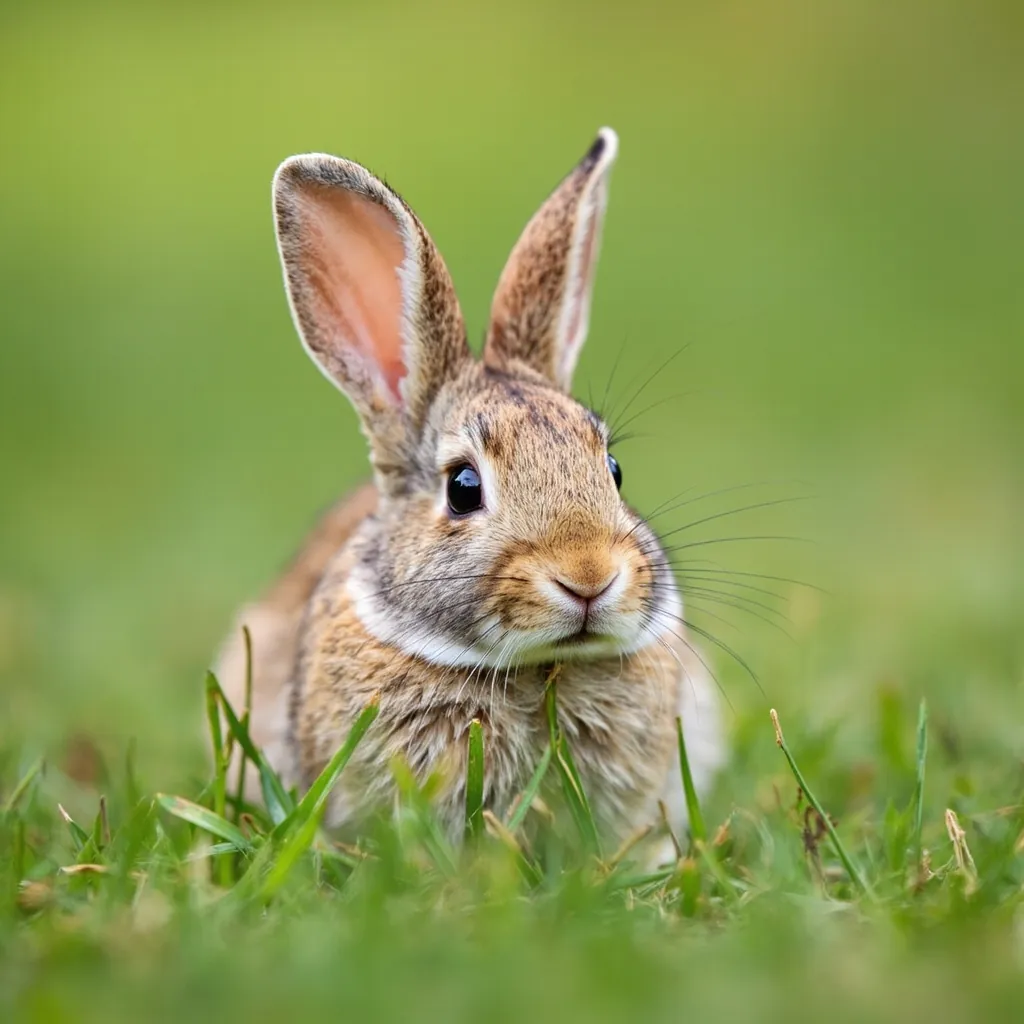
Netherland Dwarfs are generally healthy rabbits, but their small size and specific conformation create some health challenges that owners should understand. Because they are so small, problems can escalate quickly. Early recognition and treatment are essential to good outcomes.
⚠️ Medical information: This article is for general educational purposes and is not a substitute for professional veterinary care. Always consult a rabbit-savvy veterinarian for health concerns. See our full disclaimer.
Dental Disease: A Leading Concern
Dental problems are among the most common health issues in Netherland Dwarfs. Rabbit teeth grow continuously, and without proper wear, they can overgrow and cause serious pain and health problems. The small jaw size of the Netherland Dwarf means there is less room for teeth, which can contribute to misalignment and overgrowth.
Signs of dental disease include drooling, wet fur around the chin and neck, a decreased interest in hay (especially the coarse stems), weight loss, and dropping food from the mouth. You might notice your rabbit pawing at their mouth or seeming to struggle when eating. Their droppings may become smaller, misshapen, or strung together.
Prevention starts with unlimited grass hay. The act of chewing hay grinds teeth down naturally. Avoid feeding too many soft foods or treats, as the rabbit needs to chew to keep teeth worn properly. Have your veterinarian check the teeth regularly, including the molars, which can develop sharp spurs that cut the tongue and cheeks.
If your Netherland Dwarf develops dental problems, treatment may involve trimming overgrown teeth under sedation, adjusting the diet to include more hay, or in severe cases, removing teeth that cannot be managed otherwise. Do not try to trim teeth yourself, as this can cause injury.
Ear Infections and Mites
While Netherland Dwarfs have upright ears (unlike lop breeds), they are still susceptible to ear infections and ear mites. Signs include head shaking, scratching at the ears, head tilt, dark wax or discharge inside the ear, and a strong odor. In advanced cases, your rabbit may lose balance or circle.
Ear mites are a common problem in Netherland Dwarfs and can cause significant discomfort and secondary infections if left untreated. Your veterinarian can diagnose ear mites by examining the debris inside the ear and can prescribe appropriate treatment, which typically includes medicated drops and possibly a systemic parasiticide.
Check your Netherland Dwarf's ears weekly. A small amount of light-colored wax is normal, but dark wax, excessive debris, redness, or swelling should be evaluated by a veterinarian. Keep the ears clean by gently wiping the outer ear with a damp cloth, but never insert anything into the ear canal.
Sore Hocks
Sore hocks (pododermatitis) can affect Netherland Dwarfs if they are housed on hard or damp surfaces. The bottoms of their feet can develop red, inflamed skin, and in advanced cases, open wounds and infection. This is painful and can lead to more serious problems.
Wire floors are a common cause of sore hocks in rabbits. If your Netherland Dwarf is housed in a cage with wire, switch to a solid floor with soft paper-based bedding immediately. Even on solid floors, dirty or damp bedding can irritate the feet.
Overweight Netherland Dwarfs are at higher risk, as excess weight puts more pressure on the feet. Monitor your rabbit's weight carefully and adjust feeding amounts as needed.
Inspect your rabbit's feet regularly. Early signs of sore hocks include hair loss on the foot pads and red or inflamed skin. If you see these signs, talk to your veterinarian about treatment, which may include cleaning, topical antibiotics, protective bandages, and addressing the underlying cause.
Gastrointestinal Stasis
Gastrointestinal stasis is one of the most dangerous conditions for any rabbit, and Netherland Dwarfs are not immune. It occurs when the digestive system slows or stops entirely, leading to gas buildup, pain, and potentially fatal complications if not treated promptly.
Signs include a sudden decrease or complete loss of appetite, no fecal droppings or very small, misshapen droppings, a hunched posture, loud teeth grinding (a sign of pain), and either an unusually gurgling or unnaturally quiet abdomen.
If you suspect GI stasis, contact your veterinarian immediately. This is an emergency. Treatment may include fluid therapy to address dehydration, pain medication, gut motility drugs, and possibly hand-feeding. Without prompt treatment, GI stasis can be fatal within 24 to 48 hours.
Prevention involves feeding a hay-heavy diet, ensuring constant access to fresh water, minimizing stress, and introducing any new foods gradually. Do not make sudden changes to your Netherland Dwarf's diet. Watch their appetite and droppings daily so you can catch problems early.
Upper Respiratory Infections
Netherland Dwarfs can develop upper respiratory infections, often from bacteria like Pasteurella or Bordetella. Signs include sneezing, nasal discharge, wheezing, labored breathing, and a wet area around the front paws and chin from nasal discharge. Occasional sneezing is normal, but persistent symptoms are not.
If your Netherland Dwarf shows signs of a respiratory infection, see your veterinarian. Left untreated, the infection can spread to the lungs and develop into pneumonia. Treatment typically involves antibiotics and supportive care.
Reduce the risk by keeping your rabbit's living space clean and dust-free. Paper-based bedding is preferable to straw, which can be dusty. Avoid smoking near your rabbit and do not use strong chemicals in their space. Ensure good ventilation without drafts.
Heatstroke
All rabbits are sensitive to heat, and the small size of the Netherland Dwarf does not protect them. When temperatures exceed 80 degrees Fahrenheit, heatstroke becomes a real risk. Rabbits cannot pant effectively and do not have significant means of cooling themselves.
Signs of heatstroke include panting, drooling, hot ears, bright red gums, lethargy, and collapse. If you see these signs, move your rabbit to a cool area immediately, wet their ears with cool (not cold) water, and contact your veterinarian right away.
Prevention is critical. Keep your Netherland Dwarf in an air-conditioned space during hot weather. Provide frozen water bottles wrapped in towels for them to lie against, and always ensure they have access to shade and cool water. Never leave a rabbit in a parked car, even for a few minutes.
Encephalitozoon Cuniculi (E. Cuniculi)
E. cuniculi is a microscopic parasite that can infect rabbits. Some infected rabbits show no symptoms, while others develop kidney problems, neurological signs (head tilt, circling, seizures, hind-leg weakness), or eye problems. The parasite is spread through urine.
Diagnosis requires blood tests or examination of tissues. Treatment involves anti-parasitic medications, typically fenbendazole, along with supportive care. Keeping enclosures clean and minimizing stress helps control the spread of the organism.
Pregnant women and immunocompromised individuals should take extra precautions when handling rabbits suspected of carrying this parasite.
Snuffles (Pasteurella)
The term "snuffles" refers to an upper respiratory infection caused by the bacterium Pasteurella multocida. It is common in rabbits and spreads easily through direct contact or contaminated surfaces. Signs include sneezing, nasal discharge, matted fur on the front paws (from wiping discharge), and labored breathing.
While some rabbits carry the bacteria without symptoms, stress or a weakened immune system can trigger active infection. Treatment involves antibiotics, but complete elimination of the bacteria can be difficult. Focus on minimizing stress and keeping your Netherland Dwarf's immune system healthy through proper diet and care.
Watch for the Warning Signs
Because Netherland Dwarfs are so small, problems can escalate rapidly. Develop the habit of daily observation. Know what your rabbit looks like when healthy so you can recognize when something is wrong.
Contact your veterinarian if you notice any of the following: loss of appetite for more than 12 hours, no droppings for 24 hours, diarrhea or abnormal droppings, lethargy, hiding and refusing to come out, hunched posture, loud teeth grinding, head tilt, discharge from eyes or nose, labored breathing, or any other sudden change in behavior or appearance.
Establish a relationship with a rabbit-savvy veterinarian before you need one. Not all clinics treat rabbits, so find one experienced with small pets before an emergency arises. Annual wellness exams help catch problems early and give you a chance to discuss any concerns with your veterinarian.
Your Netherland Dwarf depends on you to notice when something is wrong. With attentive care and prompt treatment, these bold little rabbits can live long, healthy lives.
Emergency Signs to Watch For
Every Netherland Dwarf owner should know the signs that require immediate veterinary attention. Rabbits can deteriorate rapidly, and waiting even a few hours can make the difference between a manageable problem and a life-threatening one.
Contact your veterinarian immediately if you observe:
- No eating or drinking for more than 6 hours
- No droppings or a sudden change in fecal output
- Lethargy — unresponsive or barely moving
- Labored breathing, wheezing, or gasping
- Severe bloating or a hard, distended stomach
- Collapse or loss of coordination
- Convulsions or seizures
- Bleeding from any orifice, including nail quicks
- Flystrike — flies laying eggs in soiled fur
Reproductive Health
Spaying or neutering is one of the most important health decisions you will make for your Netherland Dwarf. Intact rabbits are at significantly higher risk for reproductive cancers — uterine adenocarcinoma is extremely common in unspayed female rabbits and can be fatal. Males are not exempt from reproductive cancers either.
Beyond cancer prevention, spaying and neutering reduces territorial spraying, aggression, and problematic mounting behavior. It also makes rabbits easier to bond with each other and with their owners. The ideal age for the procedure is between four and six months, though your veterinarian can advise on the best timing for your individual rabbit.
Parasites and External Pests
Netherland Dwarfs can suffer from a variety of external parasites, most commonly ear mites, fur mites, and fleas. Signs of infestation include excessive scratching, head shaking, hair loss in patches, and visible debris in the ears or on the skin.
Ear mites are particularly common and present with dark, crumbly debris inside the ear canal — often described as looking like coffee grounds. They are treatable with medication prescribed by your veterinarian. Fur mites may cause flaky, itchy skin and coat deterioration.
Fleas can be treated with rabbit-safe topical medications. Avoid over-the-counter flea products unless specifically labeled safe for rabbits — many dog and cat flea treatments are toxic to rabbits. Fly strike is a summer risk for any rabbit with a dirty coat or open wound — keep your rabbit's living area clean and check their coat daily during hot weather.
Senior Netherland Dwarf Health
As Netherland Dwarfs age, their health needs evolve. Most rabbits are considered senior at around five to six years, though this varies by individual and breed. Watch for signs of arthritis (reluctance to hop, difficulty accessing litter box, changes in grooming habits), vision or hearing loss, and reduced appetite.
Senior rabbits benefit from more frequent veterinary checkups — twice a year is ideal. Adjust their environment to make daily life easier: lower entry points to enclosures, softer bedding, ramps instead of steps, and food and water positioned at comfortable heights. Their diet may need adjustment to account for reduced activity levels and changing nutritional needs.