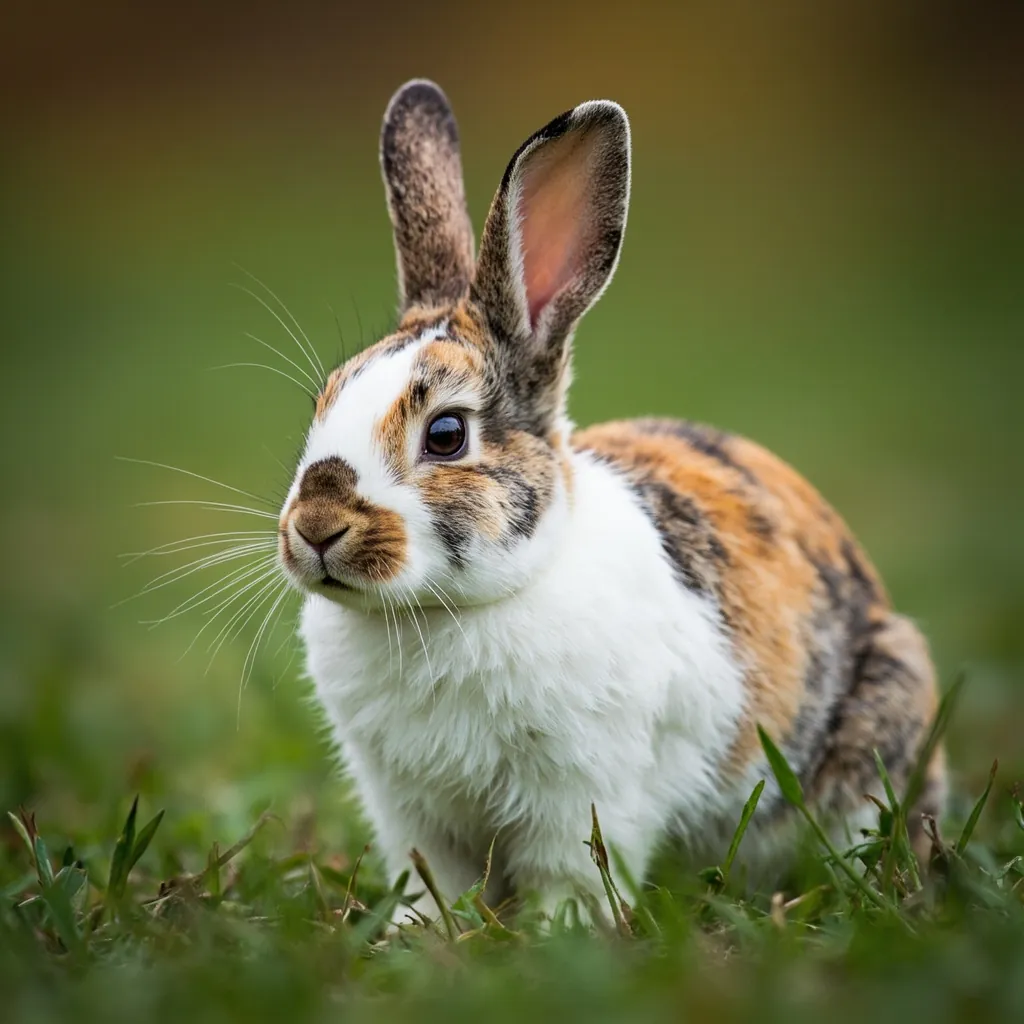
Polish rabbits are generally healthy, long-lived rabbits with a typical lifespan of 7 to 10 years. Being a small breed does come with some specific health considerations, and understanding what to watch for will help you catch problems early. Here's what every Polish rabbit owner needs to know.
⚠️ Medical information: This article is for general educational purposes and is not a substitute for professional veterinary care. Always consult a rabbit-savvy veterinarian for health concerns. See our full disclaimer.
Reproductive Cancer: The Spaying Imperative
Uterine cancer is as serious in small breeds as it is in large ones. Unspayed female Polish rabbits face a very high risk of uterine cancer as they age—studies on rabbit populations suggest the risk for unspayed does across breeds is up to 80% by age 5. This is a preventable disease with a simple surgery.
Spay your Polish rabbit between 4 and 6 months of age. The procedure is more delicate in a small rabbit than in a larger breed—the surgical field is smaller, and anesthesia in small patients requires specialized expertise—but a skilled rabbit veterinarian will manage it safely. The health benefits far outweigh the surgical risk.
Neutering male Polish rabbits eliminates testicular cancer and reduces territorial marking behavior. Even though male Polish rabbits are small, they can spray and show aggression if left intact. Neutering at 4 to 5 months resolves these issues.
Dental Disease: A Common Concern in Small Rabbits
Dental problems are among the most common health issues I see in small breed rabbits, and Polish rabbits are no exception. Because their skulls are small and compact, teeth can become overcrowded or misaligned, leading to overgrowth, sharp points, and mouth ulcers.
Signs of dental disease in Polish rabbits:
- Dropping food or refusing to eat hard foods
- Drooling or a wet chin
- Weight loss despite normal appetite
- Eating only soft foods or pellets while avoiding hay
- Runny eyes or eye discharge (upper tooth roots pressing on eye ducts)
- Swelling on the jaw or face
- Visible overgrowth of the front teeth
Prevention centers on unlimited grass hay. The grinding action of eating long hay fibers provides even wear across all the cheek teeth. Provide Timothy hay, orchard grass, and meadow hay freely. Supplement with apple wood or willow sticks for additional chewing.
Have your rabbit's teeth checked by a rabbit-savvy veterinarian annually, even if there are no symptoms. A dental correction—filing down overgrown molars—is a routine procedure when caught early but can become serious if neglected.
Gastrointestinal Stasis: Watch for the Warning Signs
GI stasis occurs when the digestive system slows or stops, causing gas buildup, pain, and potentially fatal complications if not treated promptly. Any rabbit can develop stasis, and Polish rabbits are no exception. Stress, dehydration, a too-low-fiber diet, and lack of exercise are common triggers.
Warning signs:
- No fecal pellets or very small, dry, misshapen pellets
- Hunching, reluctance to move
- Teeth grinding (a pain signal)
- Loss of appetite
- A hard, bloated belly
GI stasis is a medical emergency. Contact your veterinarian immediately if you suspect stasis. Treatment typically includes pain relief, gut motility drugs, subcutaneous fluids, and syringe feeding of critical care formula. At home, keep your rabbit warm, offer gentle belly massages, and have infant simethicone on hand for gas discomfort.
Prevent GI stasis by feeding unlimited hay, providing fresh water at all times, ensuring daily exercise, and minimizing stress. A rabbit that is eating hay, drinking water, and moving around regularly is much less likely to develop stasis.
Respiratory Infections
Polish rabbits can be prone to respiratory infections, particularly if kept in damp, dusty, or poorly ventilated conditions. Snuffles, caused by the Pasteurella bacterium, is the most common, causing sneezing, nasal discharge, and matted fur around the nose.
Signs of respiratory infection:
- Sneezing or snuffling sounds
- Nasal discharge (clear, white, or yellowish)
- Matted fur around the nose or front paws (from wiping discharge)
- Labored breathing or wheezing
- Lethargy or decreased appetite
If you see these signs, contact your veterinarian. Left untreated, snuffles can progress to pneumonia, inner ear infections, or chronic sinus issues. Treatment typically involves antibiotics. Keep your Polish rabbit's environment clean, dry, and well-ventilated to reduce risk.
Heat Sensitivity
Polish rabbits are sensitive to heat. Temperatures above 75°F can begin to stress them, and anything above 80°F puts them at real risk of heat stroke. Their small size makes them more vulnerable to temperature extremes than larger rabbits—a small body gains and loses heat faster.
Signs of heat stress:
- Panting or rapid breathing
- Flattening out on cool surfaces
- Drooling or wet chin
- Lethargy or unresponsiveness
- Hot ears (feel with your hand—they should be warm but not hot)
During warm weather, keep your Polish rabbit in an air-conditioned space. Provide frozen water bottles in their enclosure, offer cool water, and ensure good airflow. Never leave a Polish rabbit in a hot car, a sunny room, or any space without temperature control.
Malocclusion: When Teeth Don't Align
Malocclusion is a condition where the teeth do not meet properly when the mouth closes. It can be genetic (inherited) or acquired (due to injury or dental disease). In a rabbit with malocclusion, the teeth continue to grow but cannot wear down properly, leading to overgrowth that causes mouth pain, difficulty eating, and infection.
If your Polish rabbit has genetic malocclusion (a misalignment present from birth), the front teeth may need to be trimmed regularly—typically every 4 to 6 weeks. A rabbit-savvy veterinarian can clip the teeth safely using specialized pliers. Do not attempt to clip teeth yourself with human nail clippers, as this can split the tooth and cause pain.
Rabbits with dental malocclusion may need a modified diet while managing the condition. Your vet can advise on the best approach for your specific rabbit.
Head Tilt: A Neurological Concern
Head tilt (vestibular disease) can occur in Polish rabbits, typically caused by inner ear infections or E. cuniculi parasites. An affected rabbit tilts its head sharply to one side, may circle or roll, lose balance, or have rapid eye movements (nystagmus).
Head tilt is treatable in many cases, especially if caught early. Treatment depends on the cause—antibiotics for bacterial ear infections, anti-parasitic drugs for E. cuniculi, and supportive care including hand-feeding, fluid administration, and a safe, padded space. Even rabbits with permanent head tilt can live happy lives with proper care, though they may need assistance with eating and moving during recovery.
Eye Issues
Polish rabbits' large, prominent eyes make them prone to injuries and infections. Watch for:
- Cloudiness or discoloration in the eye
- Discharge or excessive tearing
- Redness or swelling around the eye
- Keeping one eye closed more than the other
- Pawing at the eye or rubbing it on surfaces
Any of these signs warrant a vet visit. Eye problems can escalate quickly and, if left untreated, can lead to corneal ulcers or permanent vision loss. Keep the fur around your Polish rabbit's eyes clean by gently wiping with a damp cloth as needed.
Obesity: A Smaller Rabbit Still Can Get Fat
It may seem hard to overfeed a rabbit that weighs just 3 pounds, but it happens. Overfeeding pellets, too many treats, and insufficient exercise all contribute to obesity in small rabbits. An obese Polish rabbit faces higher risk of joint problems, pododermatitis, digestive issues, and flystrike.
Keep treats minimal, measure pellet portions precisely, and ensure daily exercise. You should be able to feel the ribs without pressing hard. A round belly or a dewlap that drags on the ground are signs of excess weight that need to be addressed.
Weekly Health Check Routine
Build a weekly health check into your routine:
- Weigh your rabbit and record the number to track changes over time
- Check teeth for overgrowth, chips, or misalignment
- Examine eyes for clarity and discharge
- Look inside ears for wax or redness
- Run your hands over the body feeling for any lumps or swelling
- Check feet for redness, swelling, or overgrown nails
- Inspect fecal pellets—round, firm, and consistent indicates good gut health
Any concerning change—weight loss, behavioral shift, changes in droppings—should prompt a call to your veterinarian. When it comes to rabbit health, an ounce of prevention and early intervention is worth far more than waiting and hoping a problem resolves on its own.
Emergency Signs to Watch For
Every Polish owner should know the signs that require immediate veterinary attention. Rabbits can deteriorate rapidly, and waiting even a few hours can make the difference between a manageable problem and a life-threatening one.
Contact your veterinarian immediately if you observe:
- No eating or drinking for more than 6 hours
- No droppings or a sudden change in fecal output
- Lethargy — unresponsive or barely moving
- Labored breathing, wheezing, or gasping
- Severe bloating or a hard, distended stomach
- Collapse or loss of coordination
- Convulsions or seizures
- Bleeding from any orifice, including nail quicks
- Flystrike — flies laying eggs in soiled fur
Reproductive Health
Spaying or neutering is one of the most important health decisions you will make for your Polish. Intact rabbits are at significantly higher risk for reproductive cancers — uterine adenocarcinoma is extremely common in unspayed female rabbits and can be fatal. Males are not exempt from reproductive cancers either.
Beyond cancer prevention, spaying and neutering reduces territorial spraying, aggression, and problematic mounting behavior. It also makes rabbits easier to bond with each other and with their owners. The ideal age for the procedure is between four and six months, though your veterinarian can advise on the best timing for your individual rabbit.
Parasites and External Pests
Polishs can suffer from a variety of external parasites, most commonly ear mites, fur mites, and fleas. Signs of infestation include excessive scratching, head shaking, hair loss in patches, and visible debris in the ears or on the skin.
Ear mites are particularly common and present with dark, crumbly debris inside the ear canal — often described as looking like coffee grounds. They are treatable with medication prescribed by your veterinarian. Fur mites may cause flaky, itchy skin and coat deterioration.
Fleas can be treated with rabbit-safe topical medications. Avoid over-the-counter flea products unless specifically labeled safe for rabbits — many dog and cat flea treatments are toxic to rabbits. Fly strike is a summer risk for any rabbit with a dirty coat or open wound — keep your rabbit's living area clean and check their coat daily during hot weather.
Senior Polish Health
As Polishs age, their health needs evolve. Most rabbits are considered senior at around five to six years, though this varies by individual and breed. Watch for signs of arthritis (reluctance to hop, difficulty accessing litter box, changes in grooming habits), vision or hearing loss, and reduced appetite.
Senior rabbits benefit from more frequent veterinary checkups — twice a year is ideal. Adjust their environment to make daily life easier: lower entry points to enclosures, softer bedding, ramps instead of steps, and food and water positioned at comfortable heights. Their diet may need adjustment to account for reduced activity levels and changing nutritional needs.